Teaching and Student Work Portfolio
A curated selection of student work from art, digital media, graphic design, illustration, photography, and visual communication courses demonstrating the range of projects, skills, and creative approaches students develop in my studio courses.
Additional examples of student work from these and other courses are available upon request.
Digital Art / Graphic Design / Visual Communication
An introduction to digital art-making, graphic design, and visual communication through Adobe Photoshop, Illustrator, and InDesign. Beginning with little or no prior experience, students develop foundational skills in digital tools while learning how the elements and principles of design can be used to communicate ideas visually.
Across a range of projects, students explore identity, artistic movements, design history, and visual problem-solving. Through experimentation, critique, and reflection, students learn to develop ideas and make intentional design decisions to communicate clearly through images, typography, composition, and visual principles.

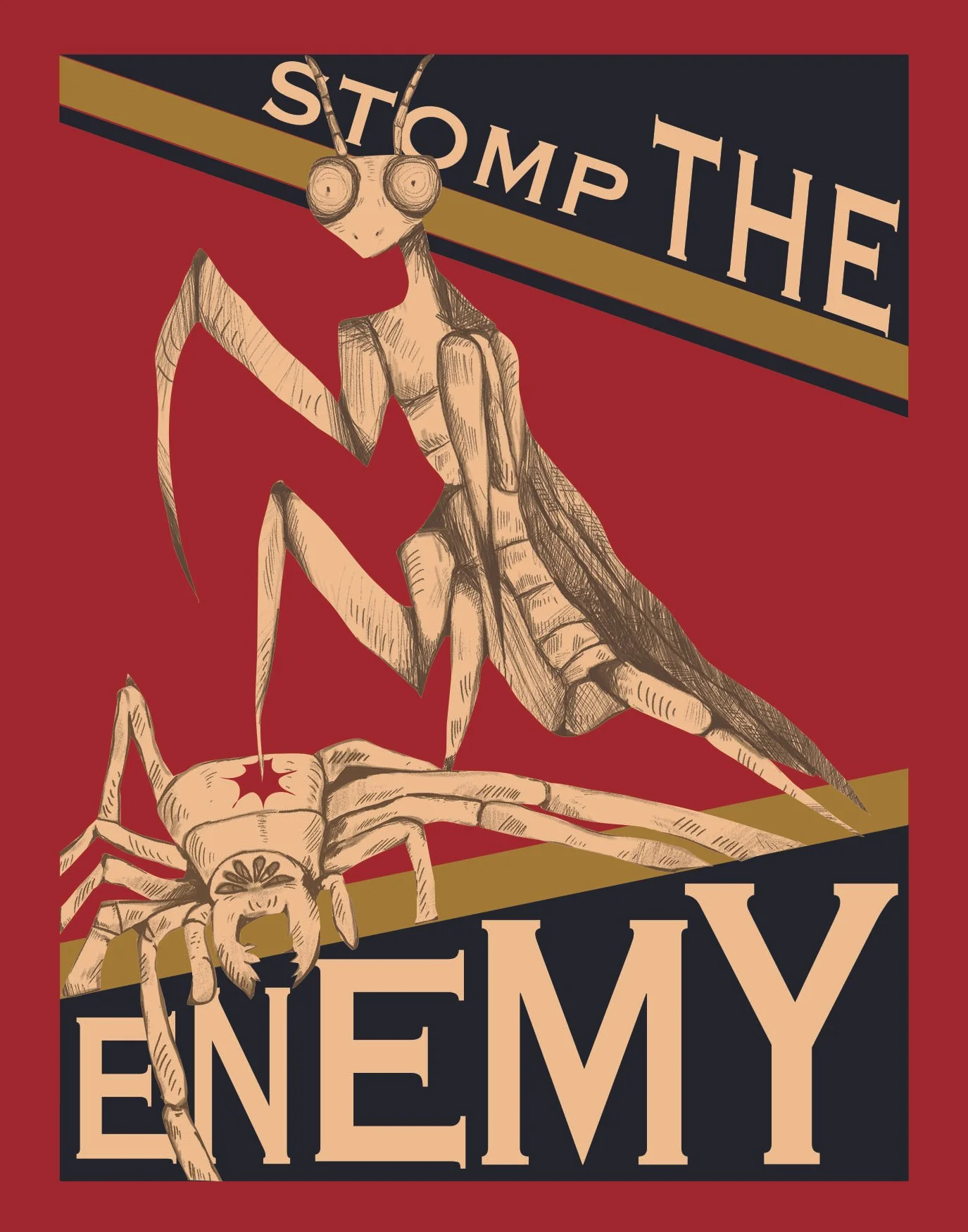


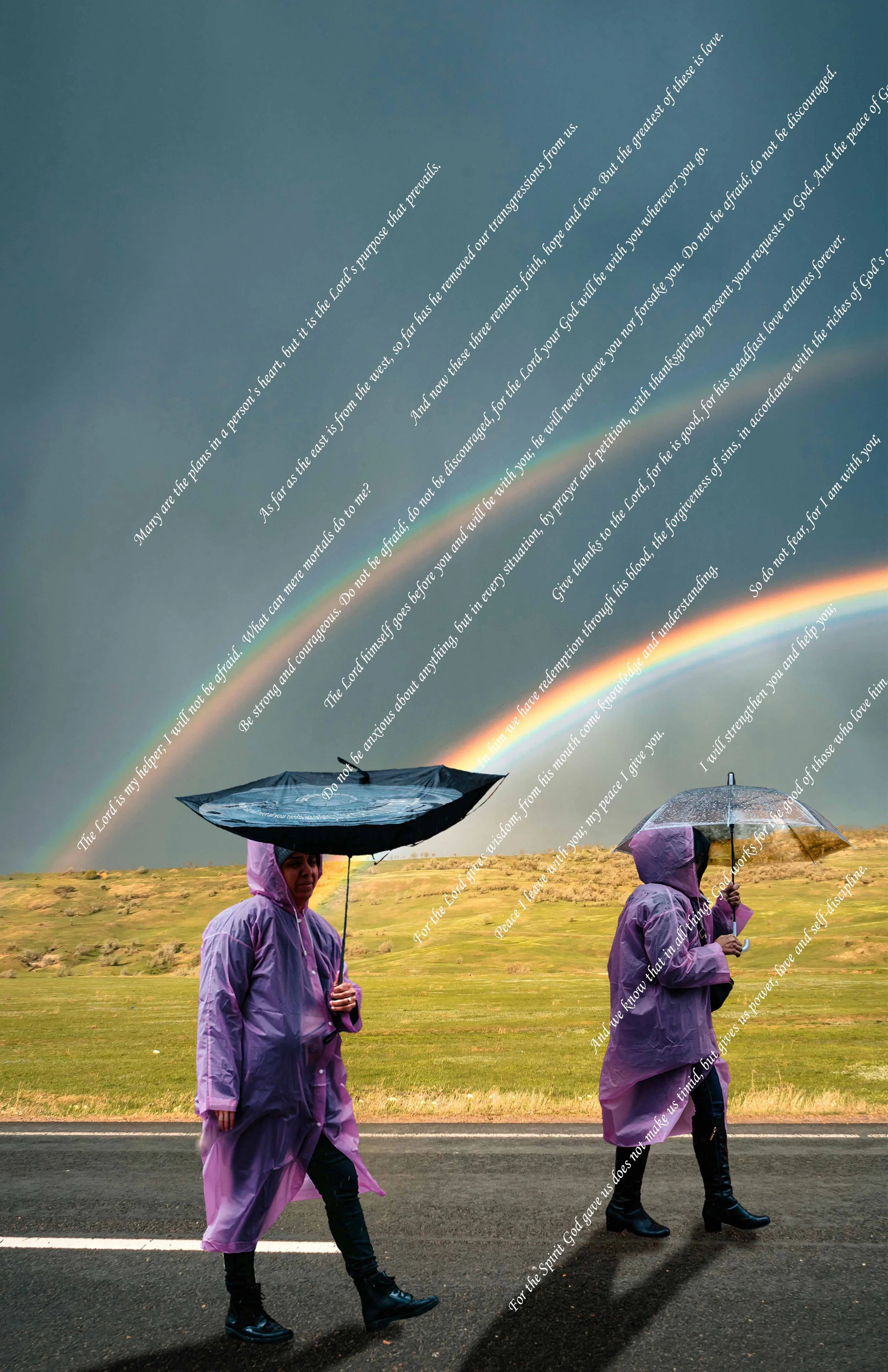
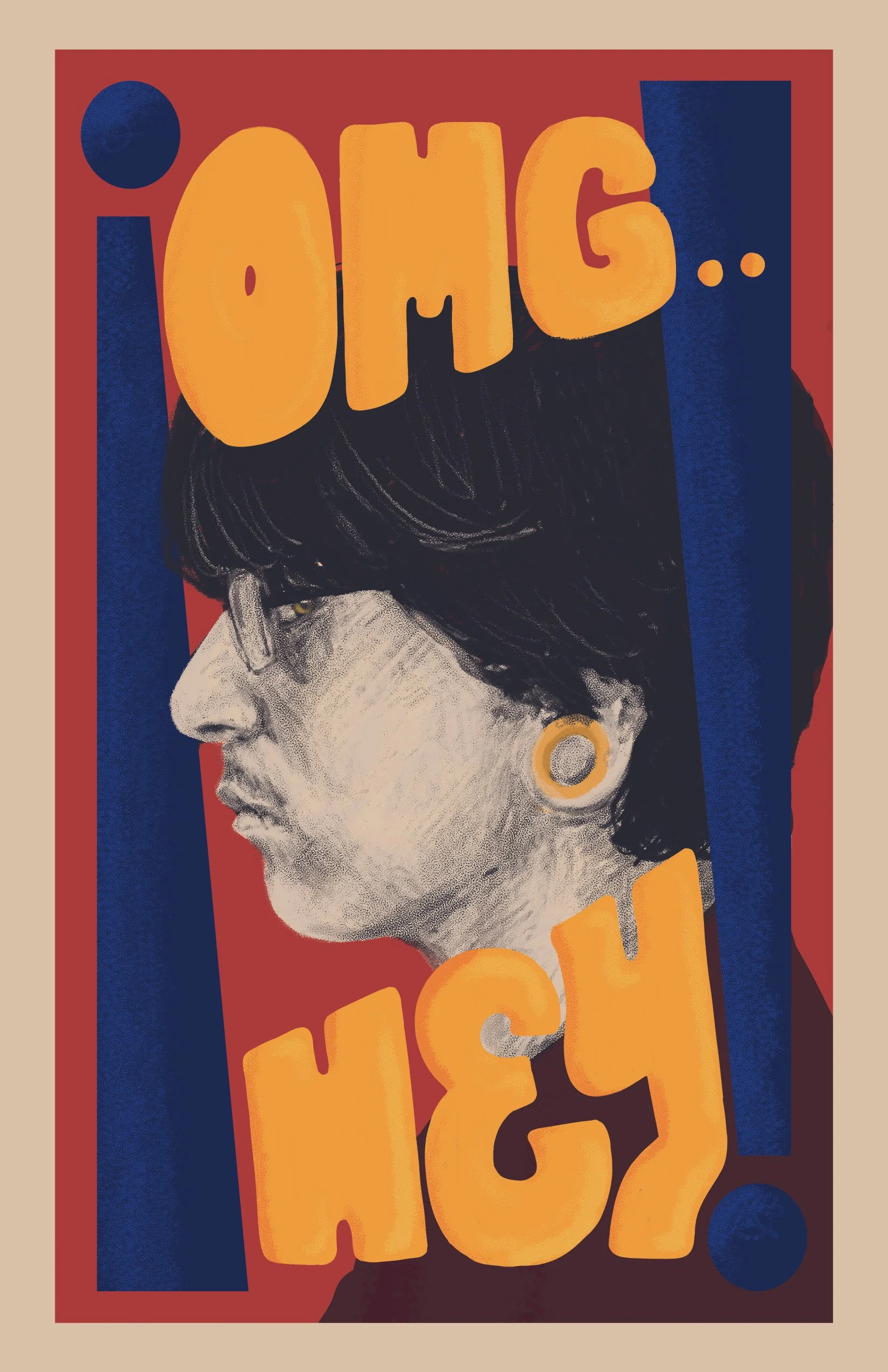
Posters advertising a student’s personality as an event or piece of propaganda.
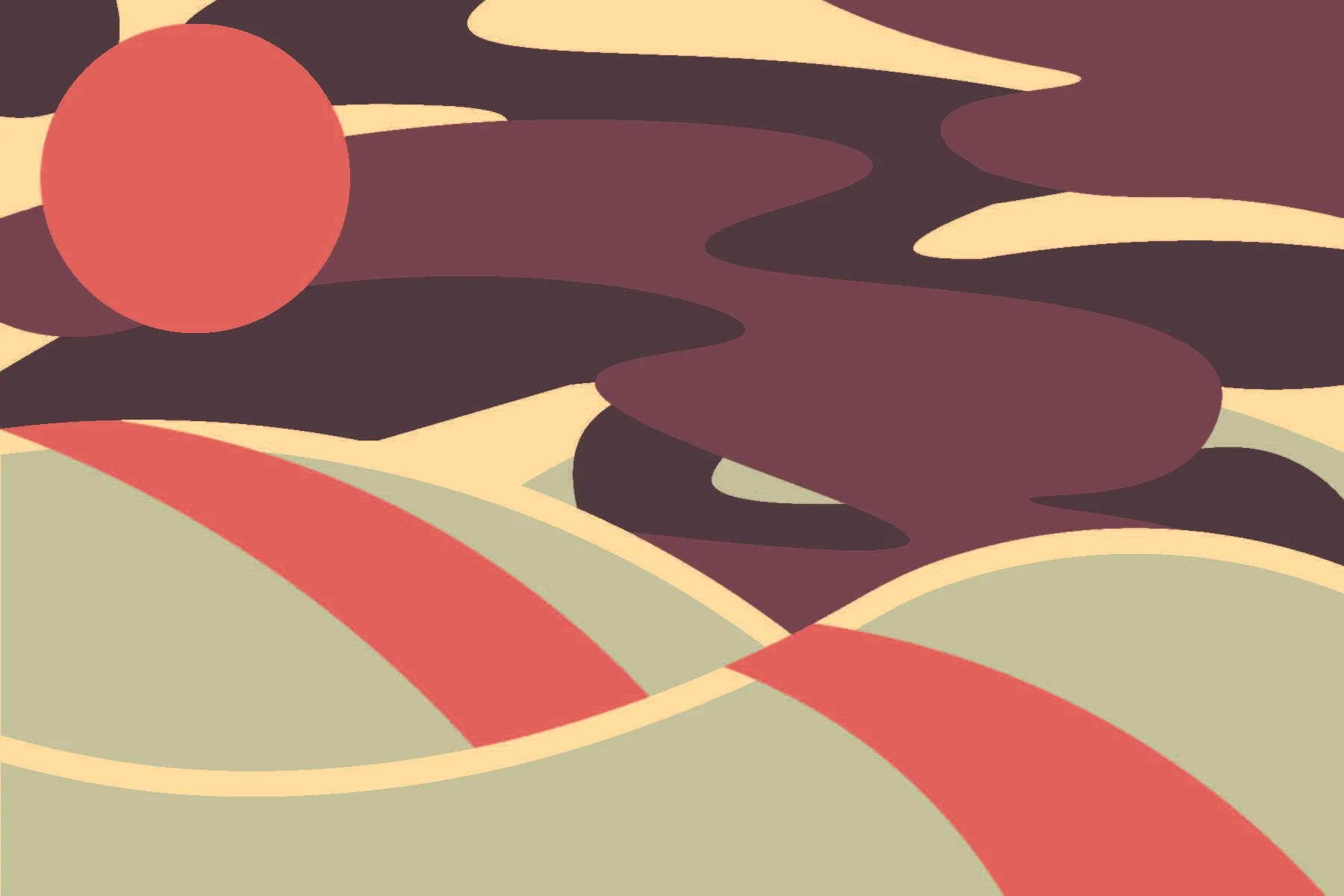

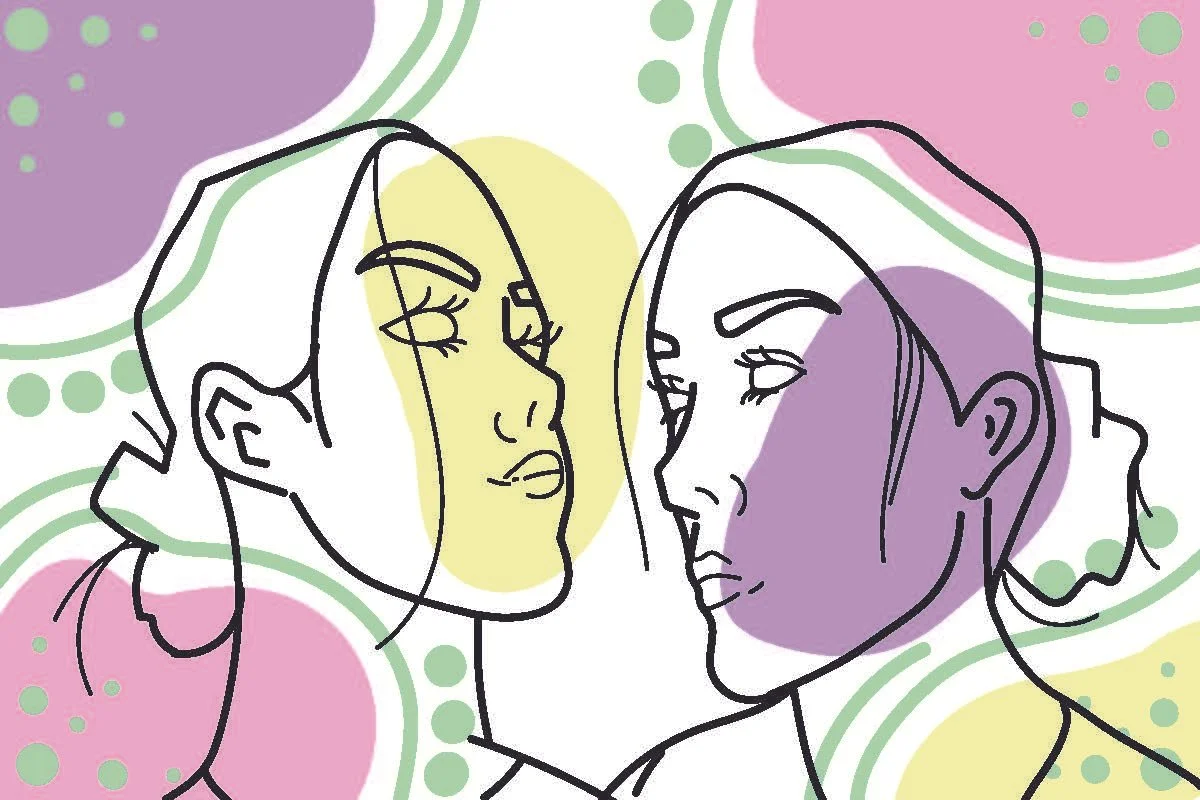
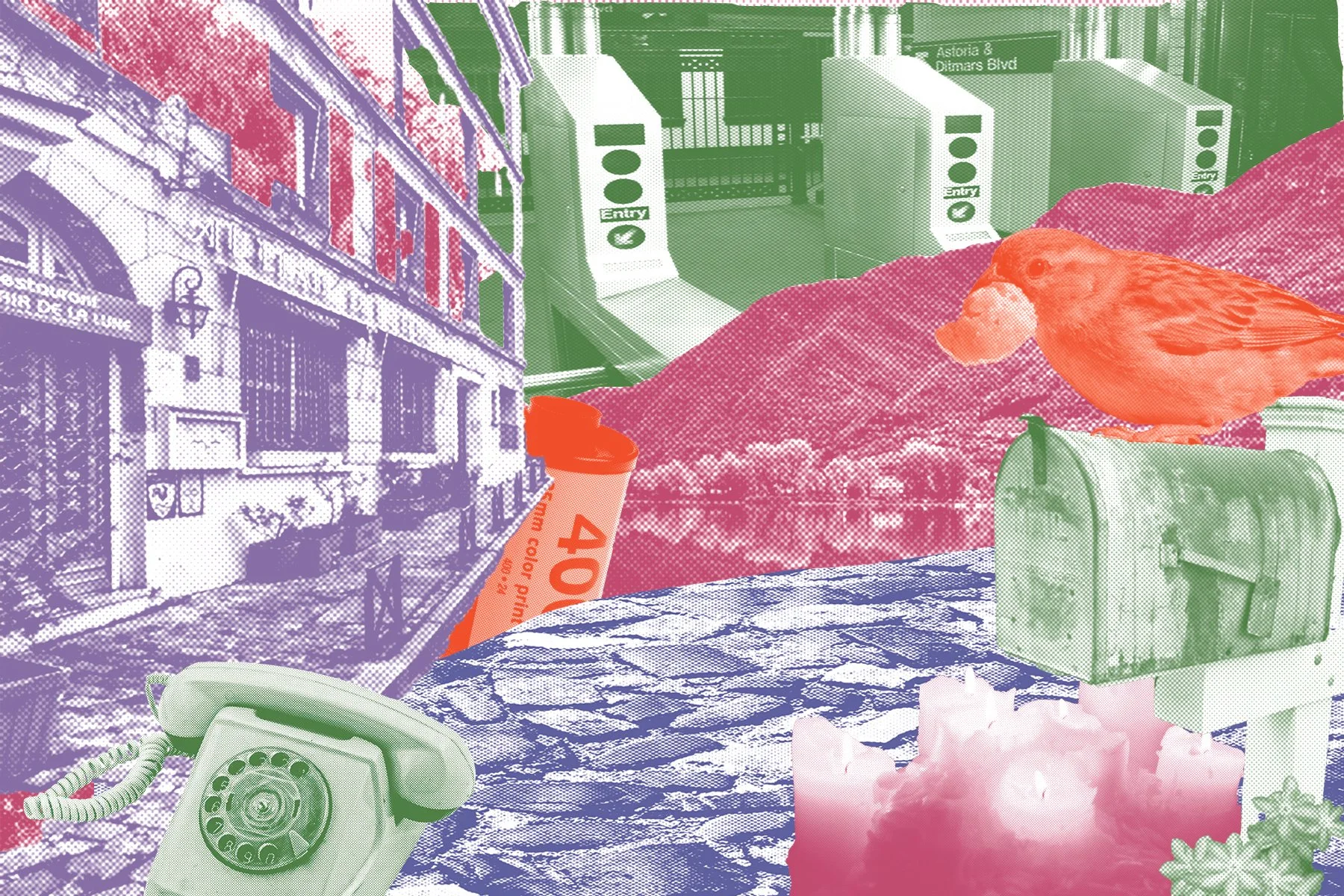
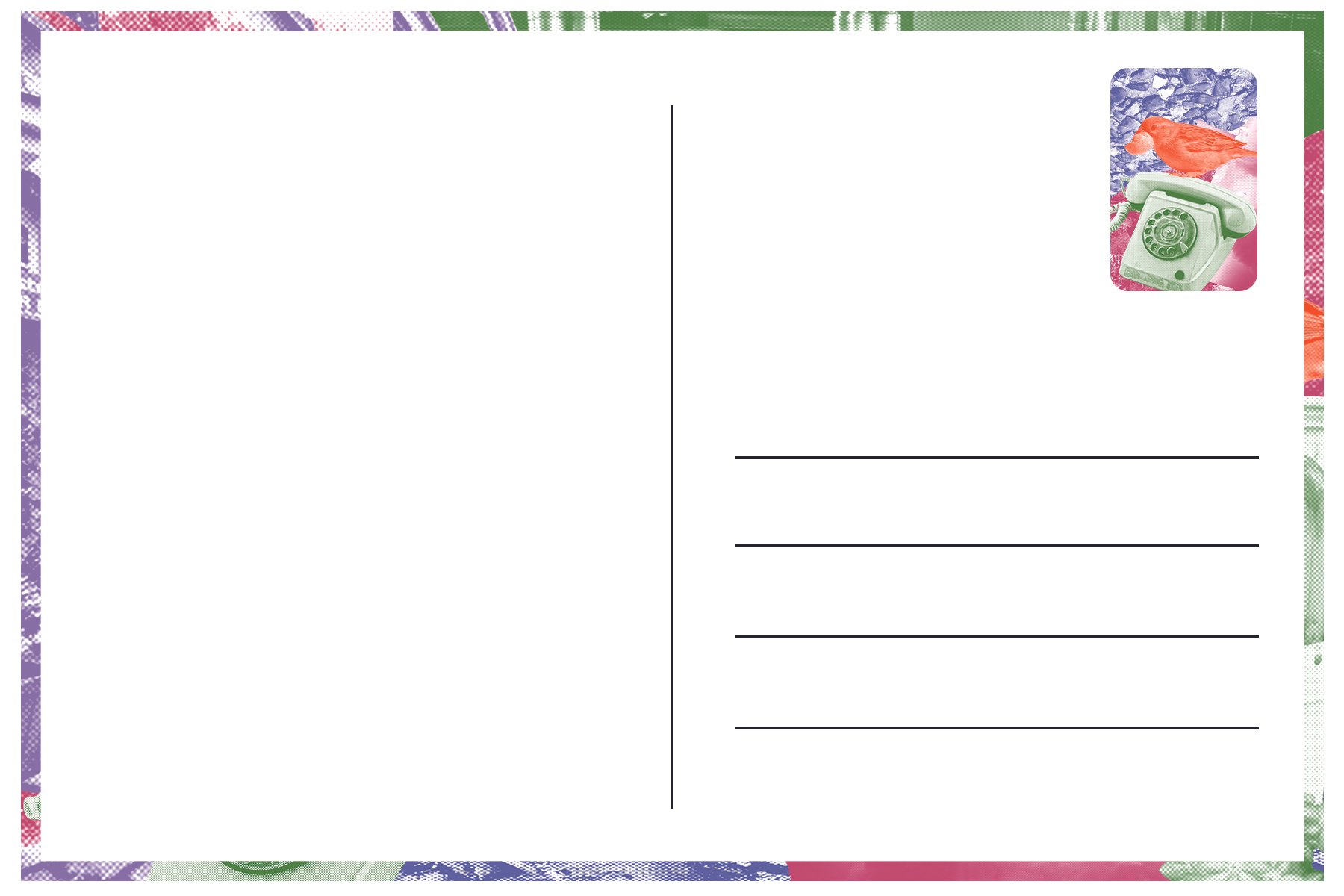
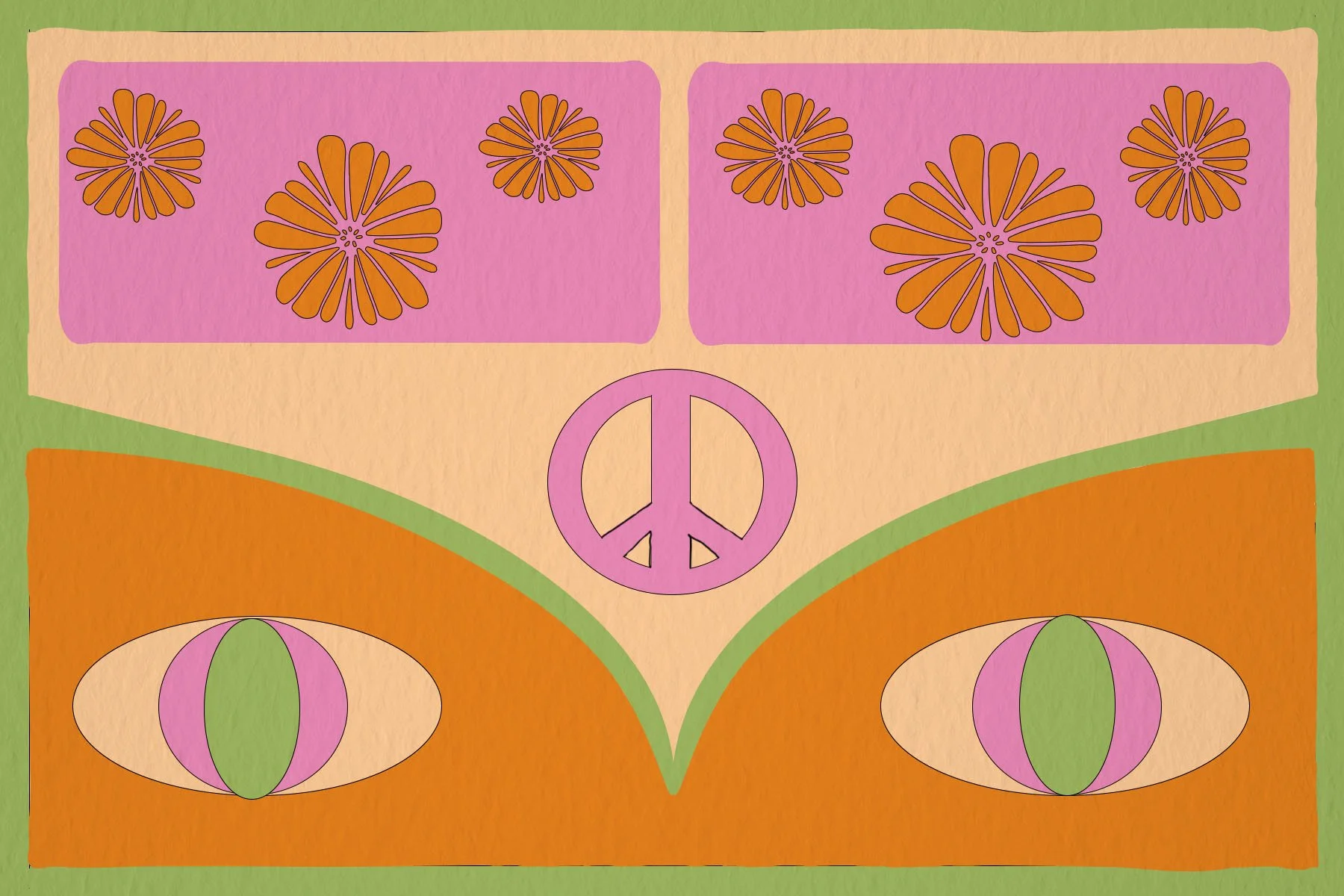
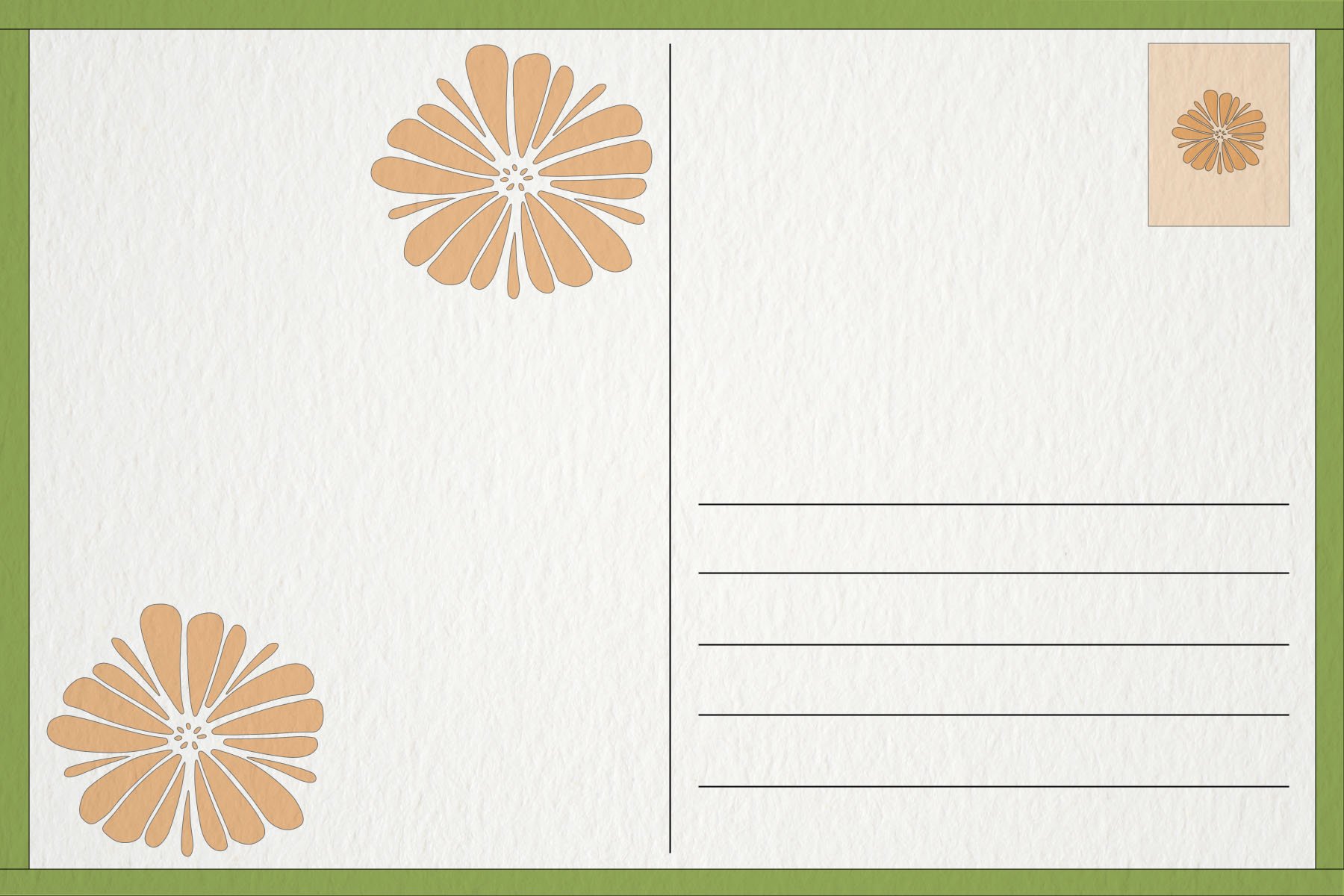
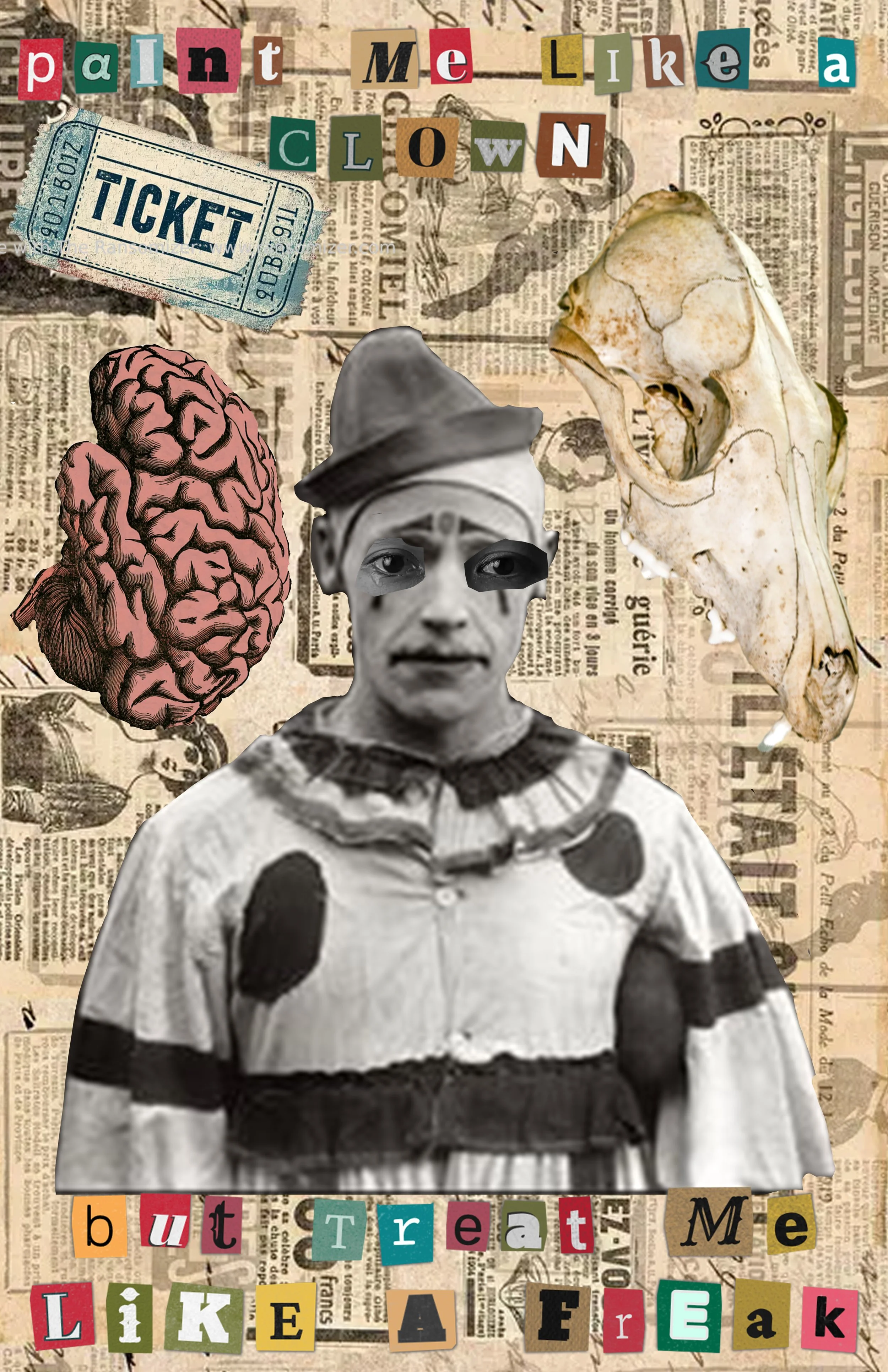
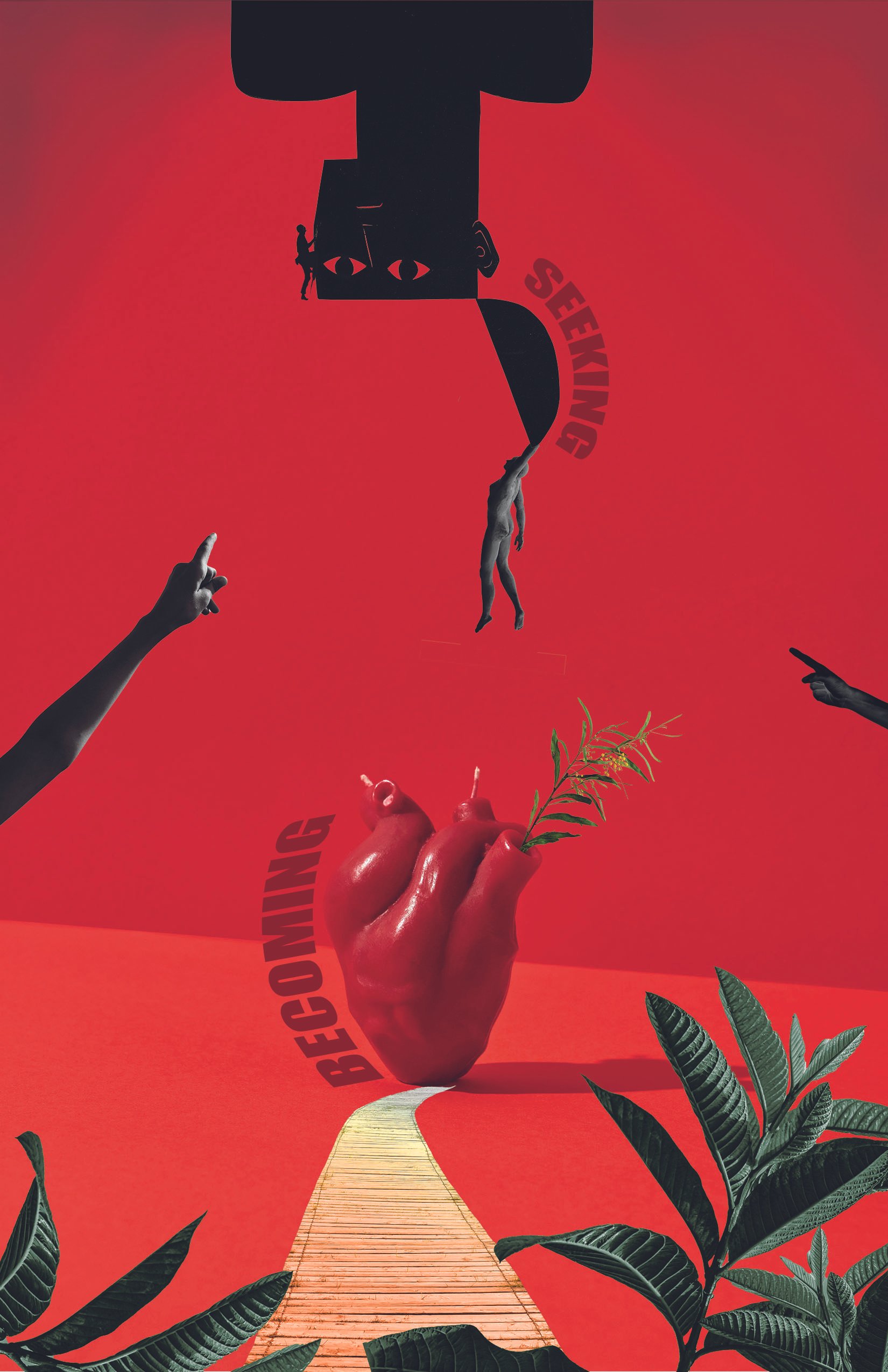
Postcards representing the inside of a student’s mind as a place.
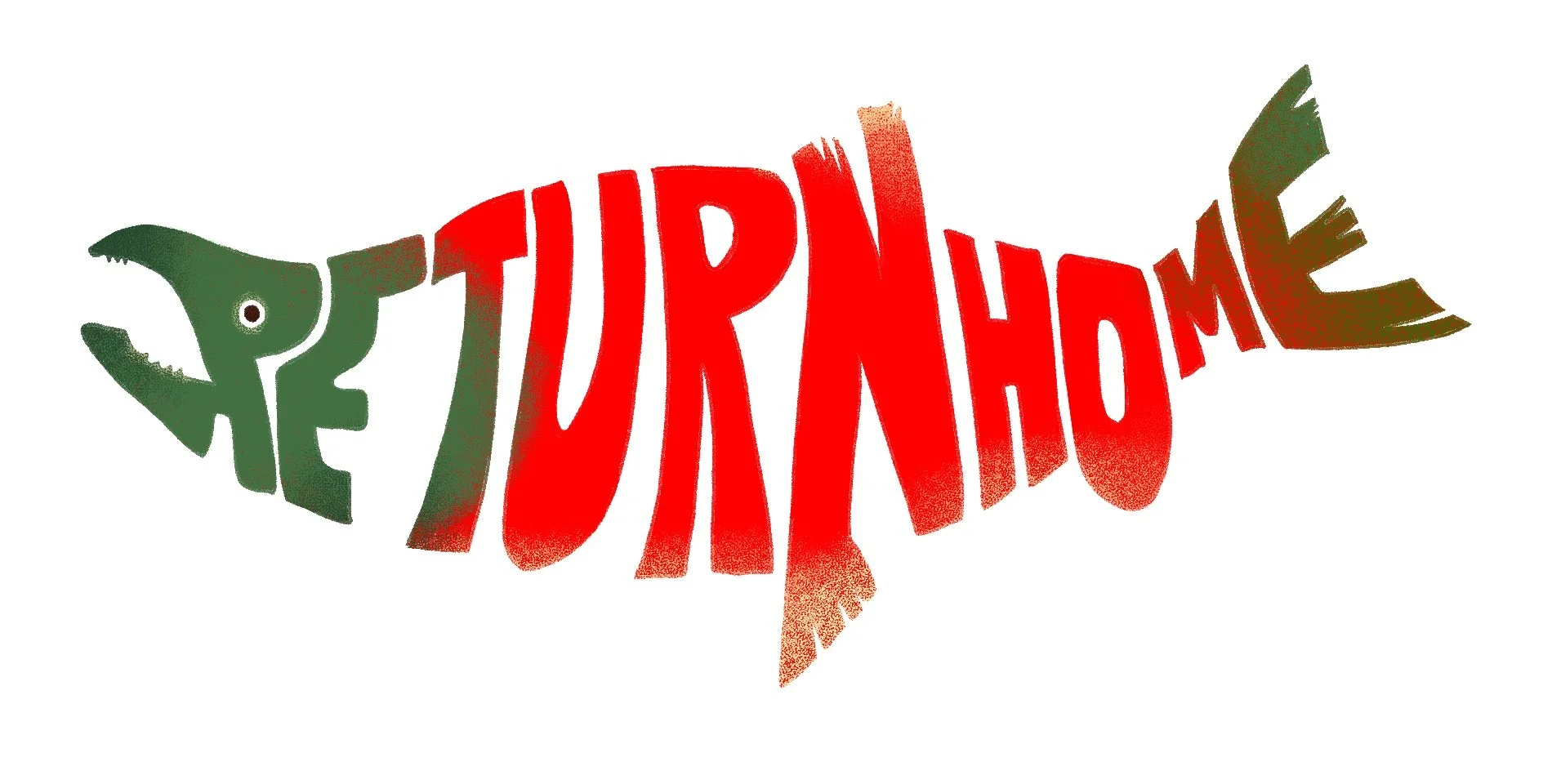
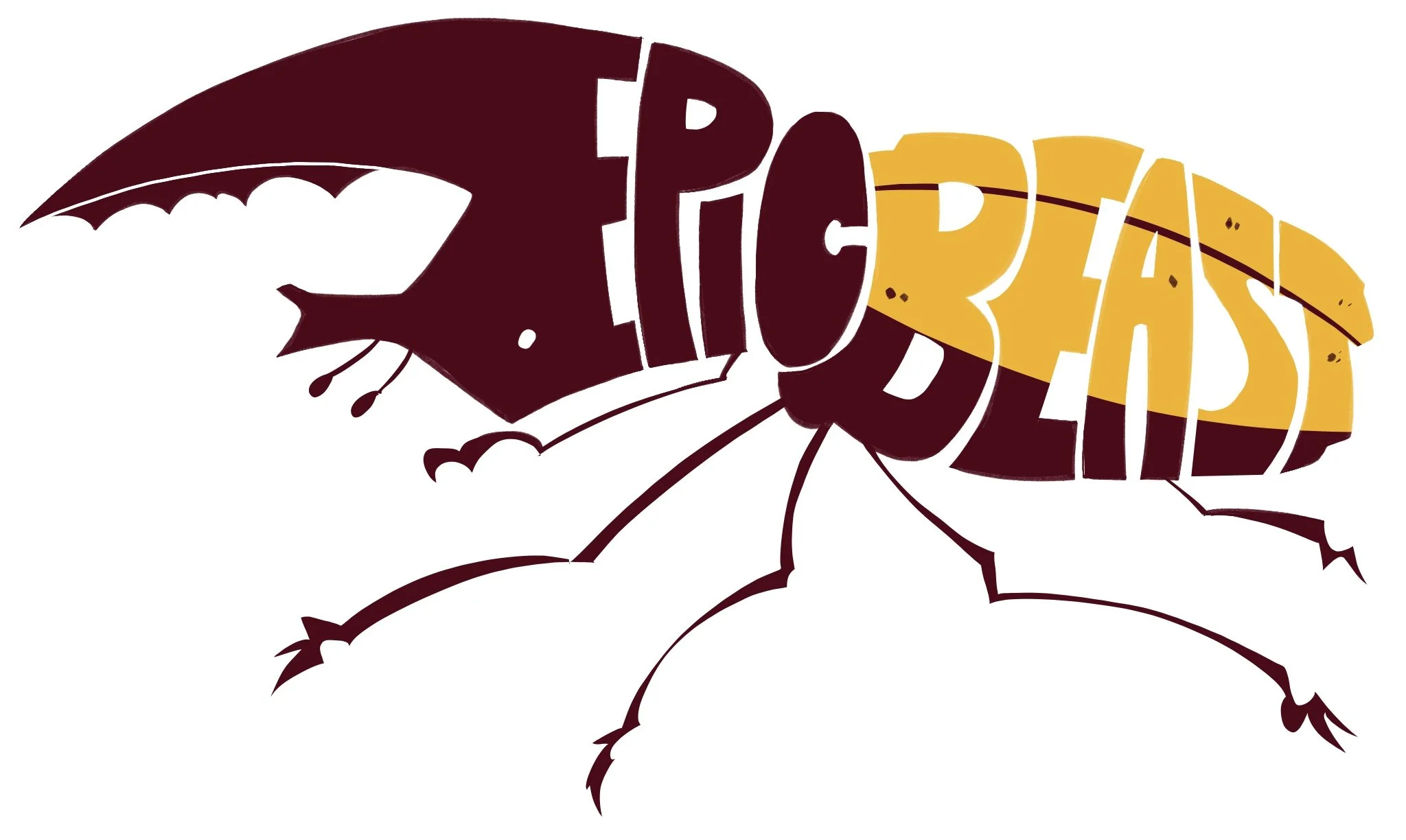
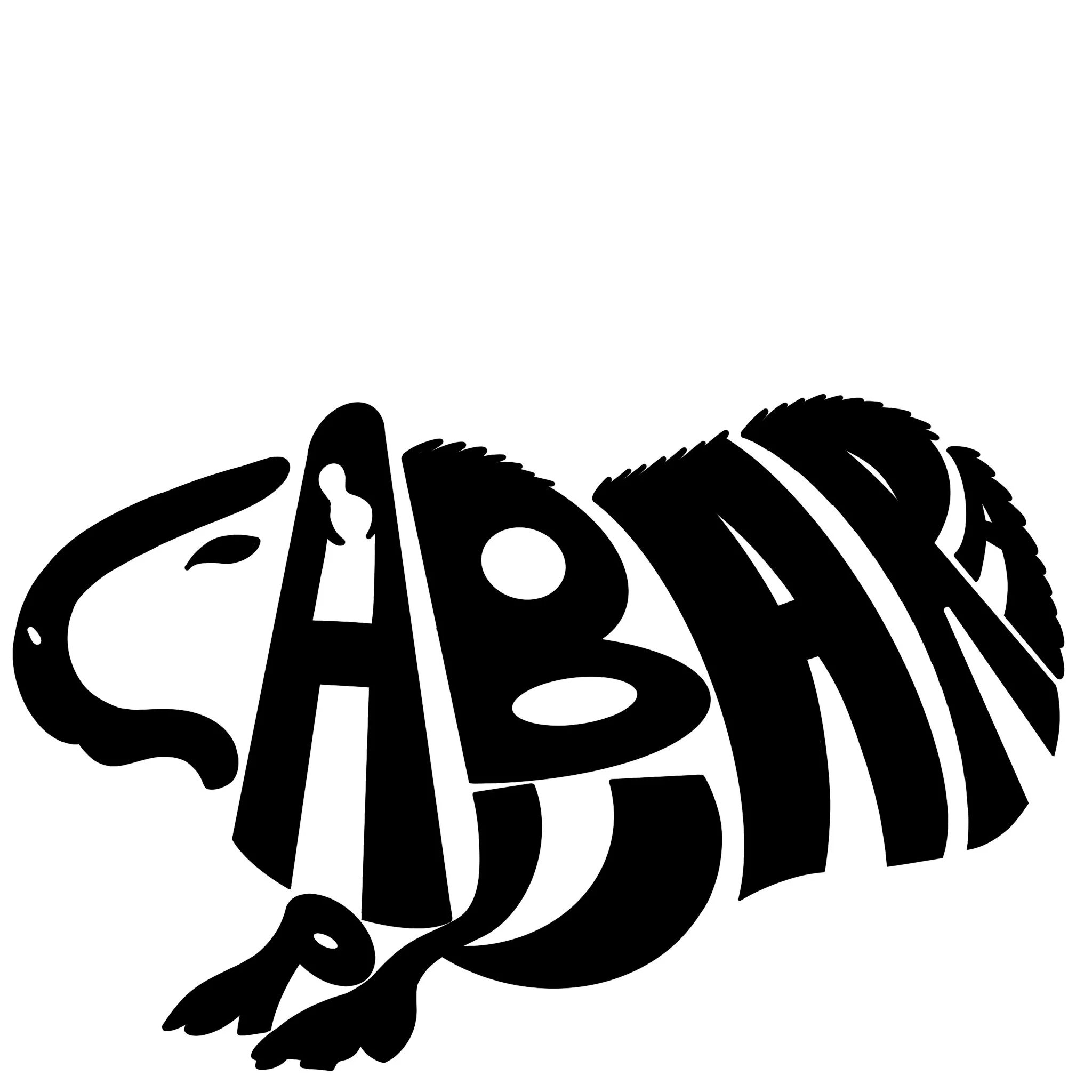
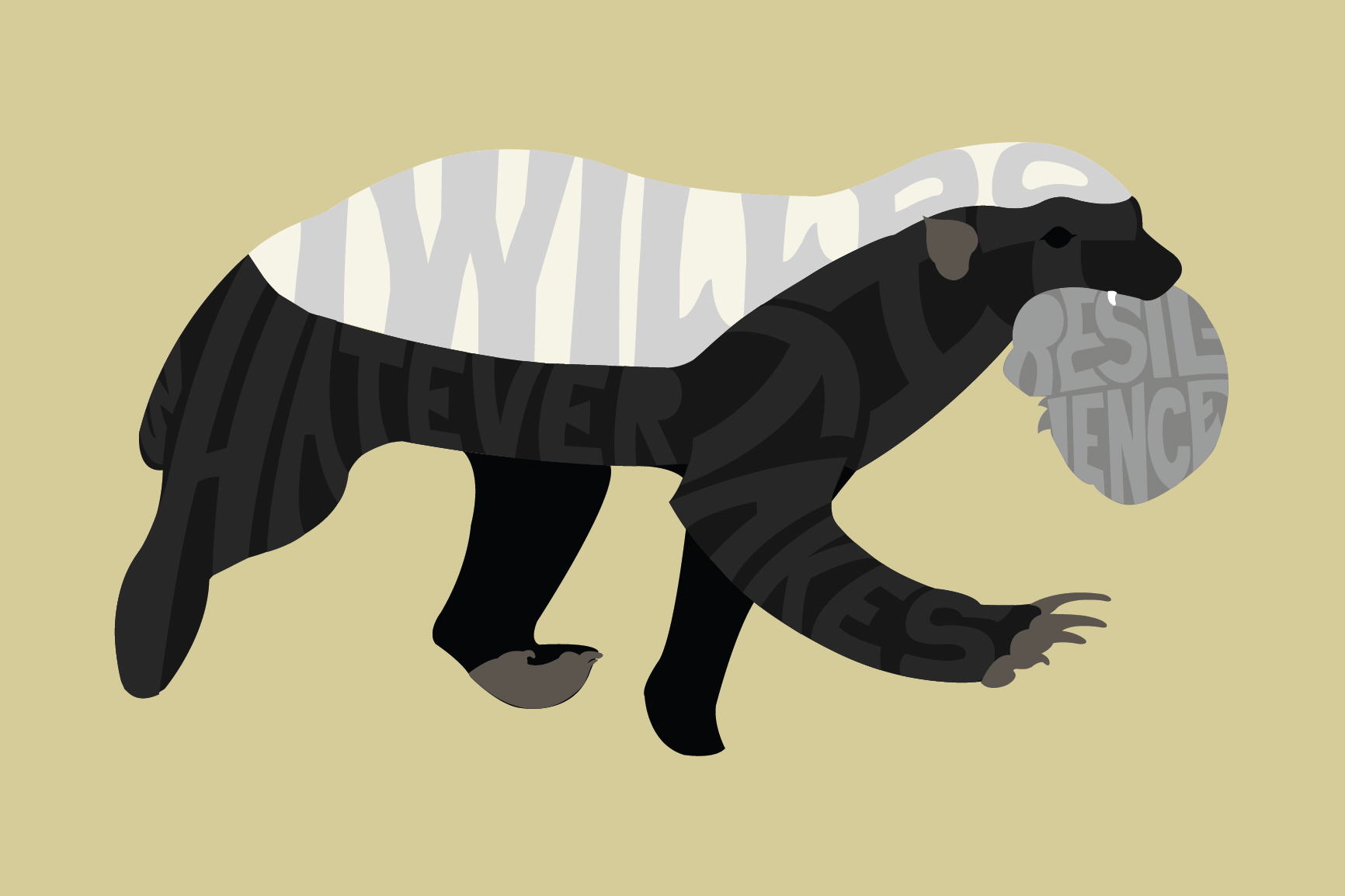

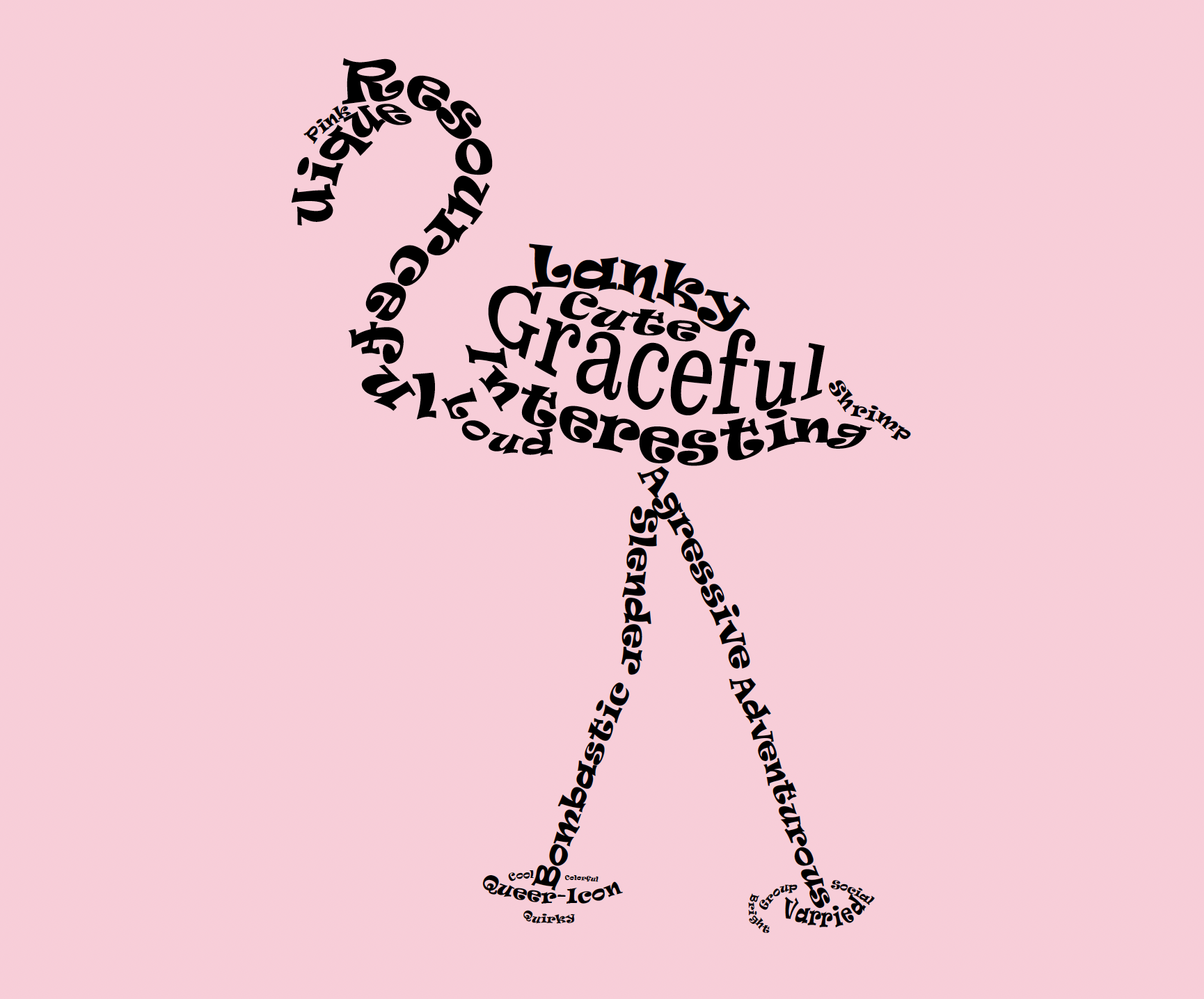

Students illustrating their spirit animal with descriptive words and typography.
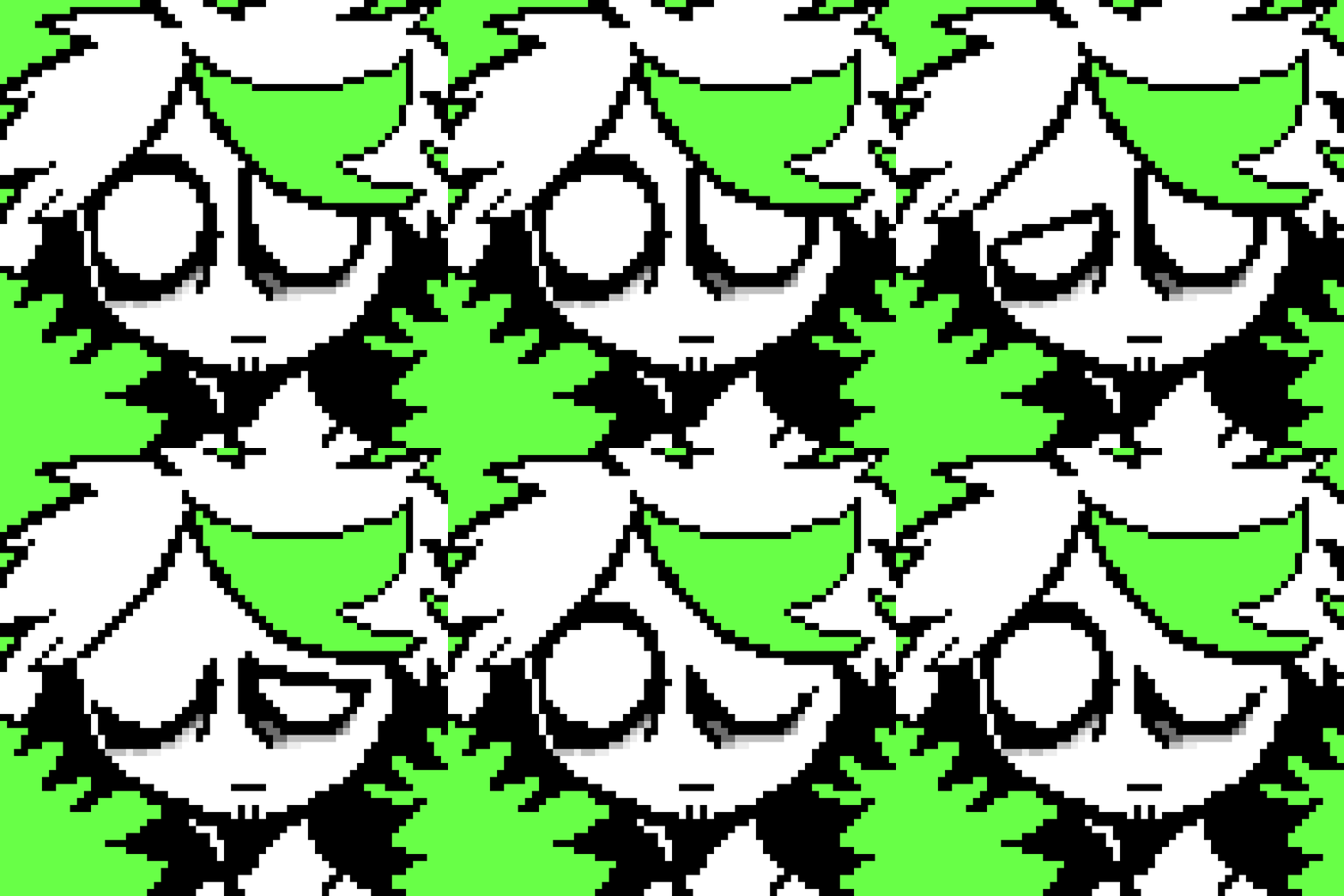
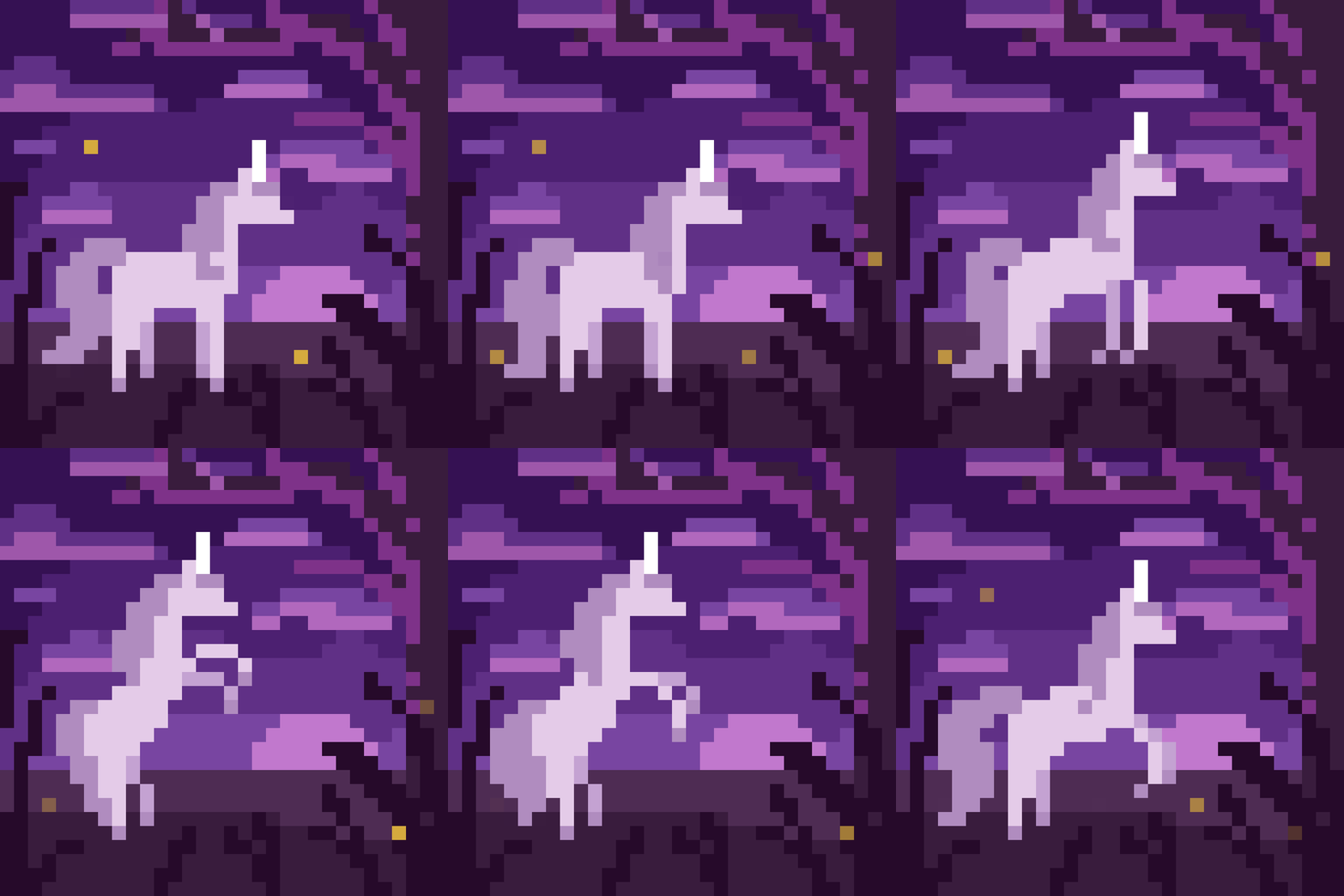
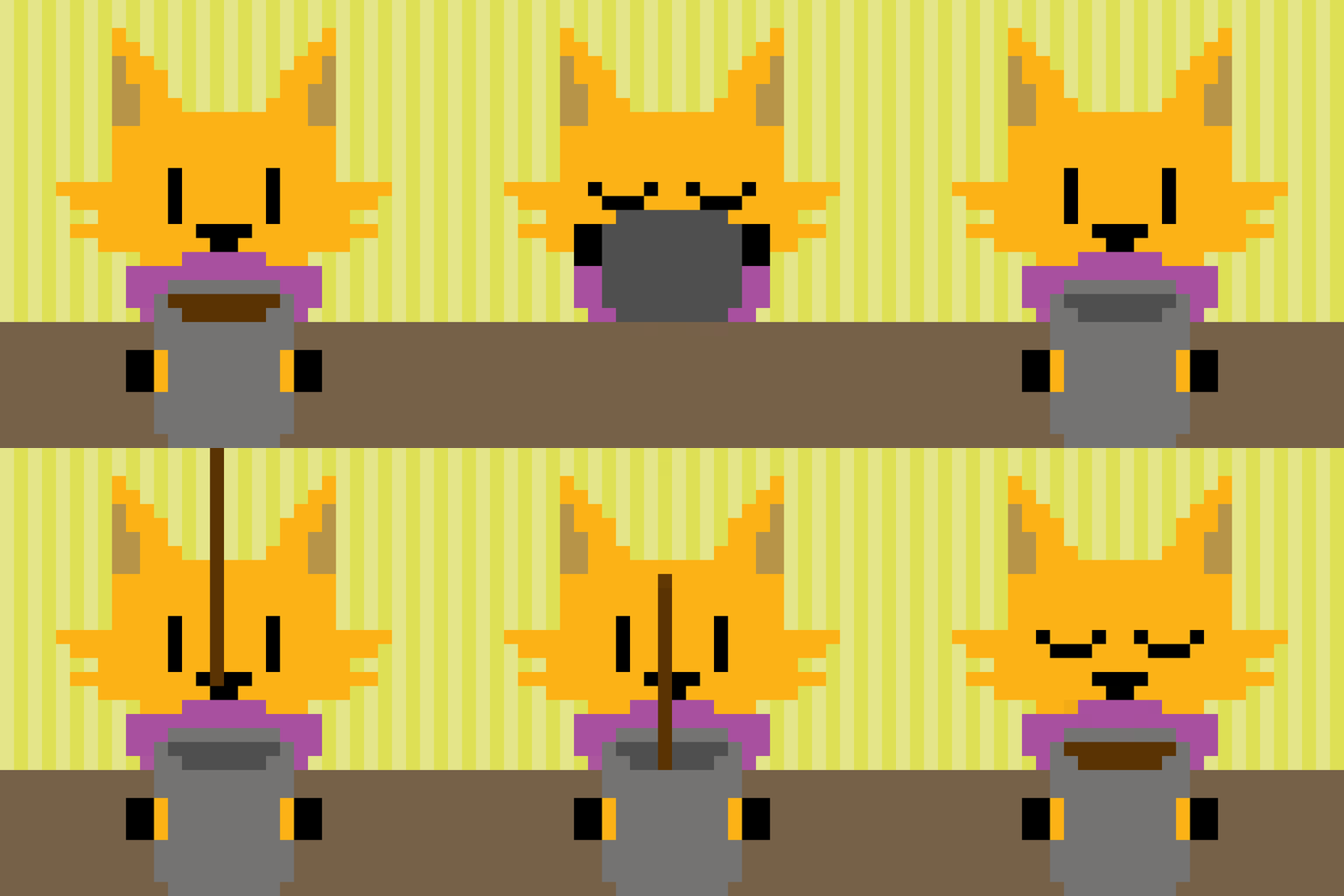
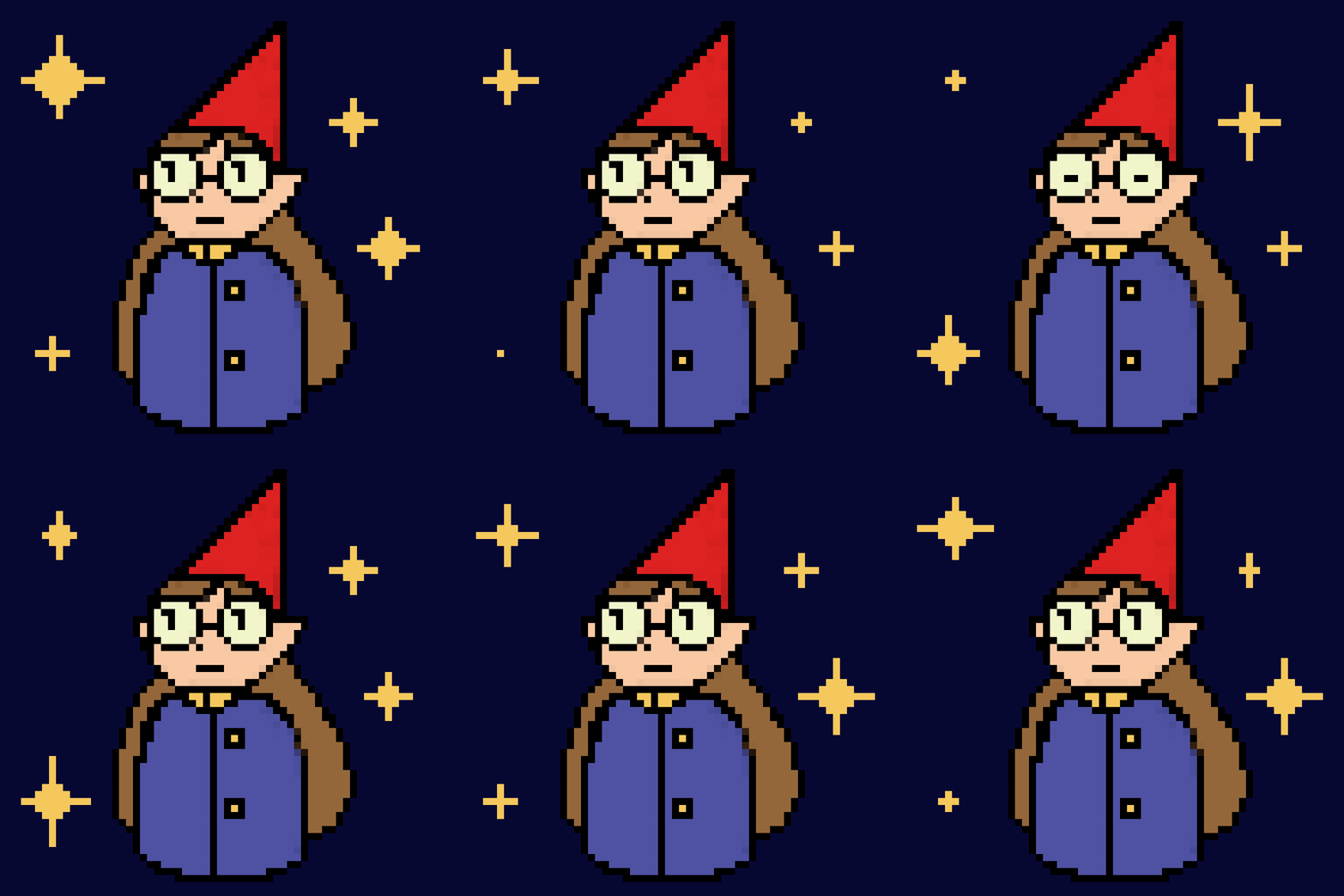
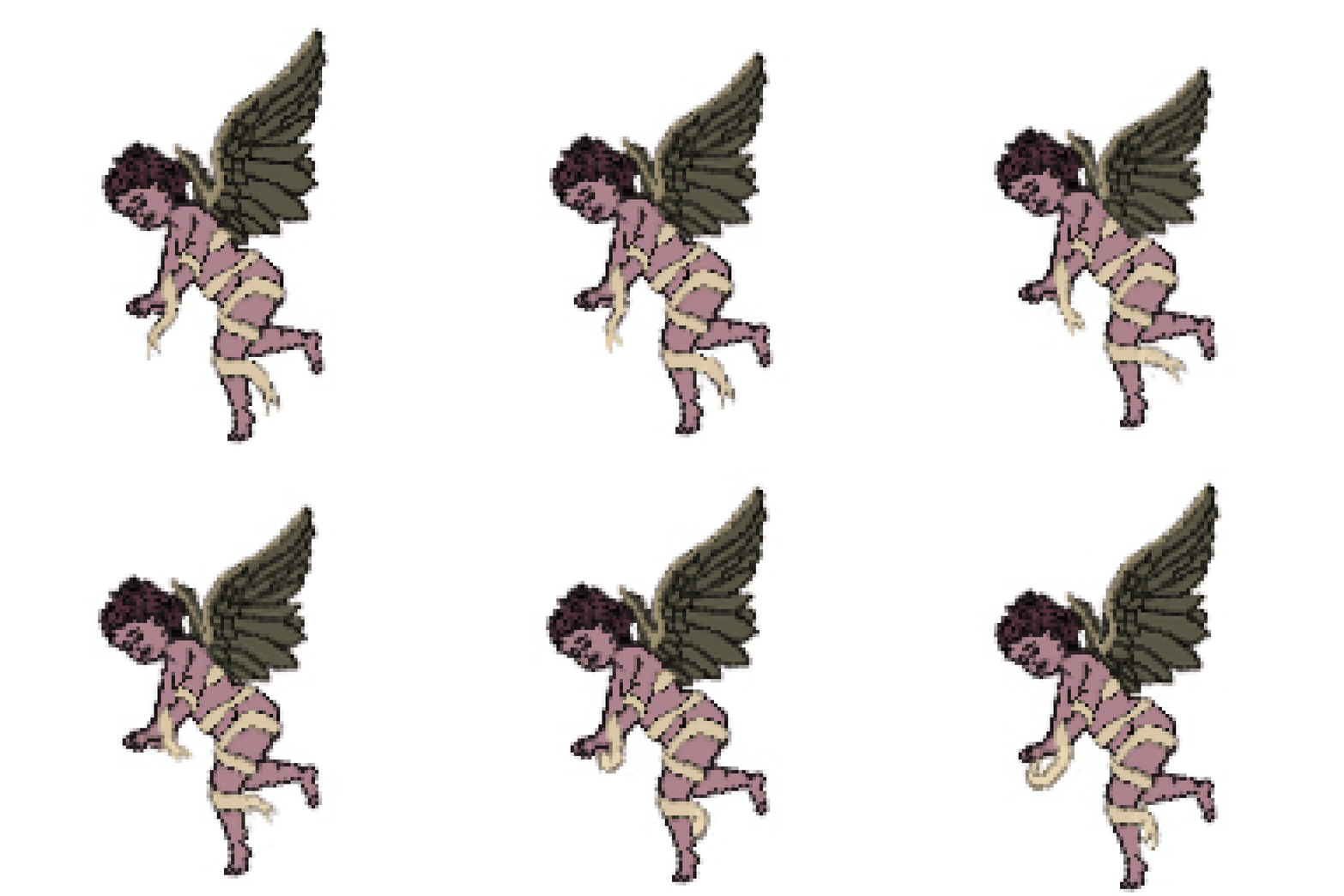
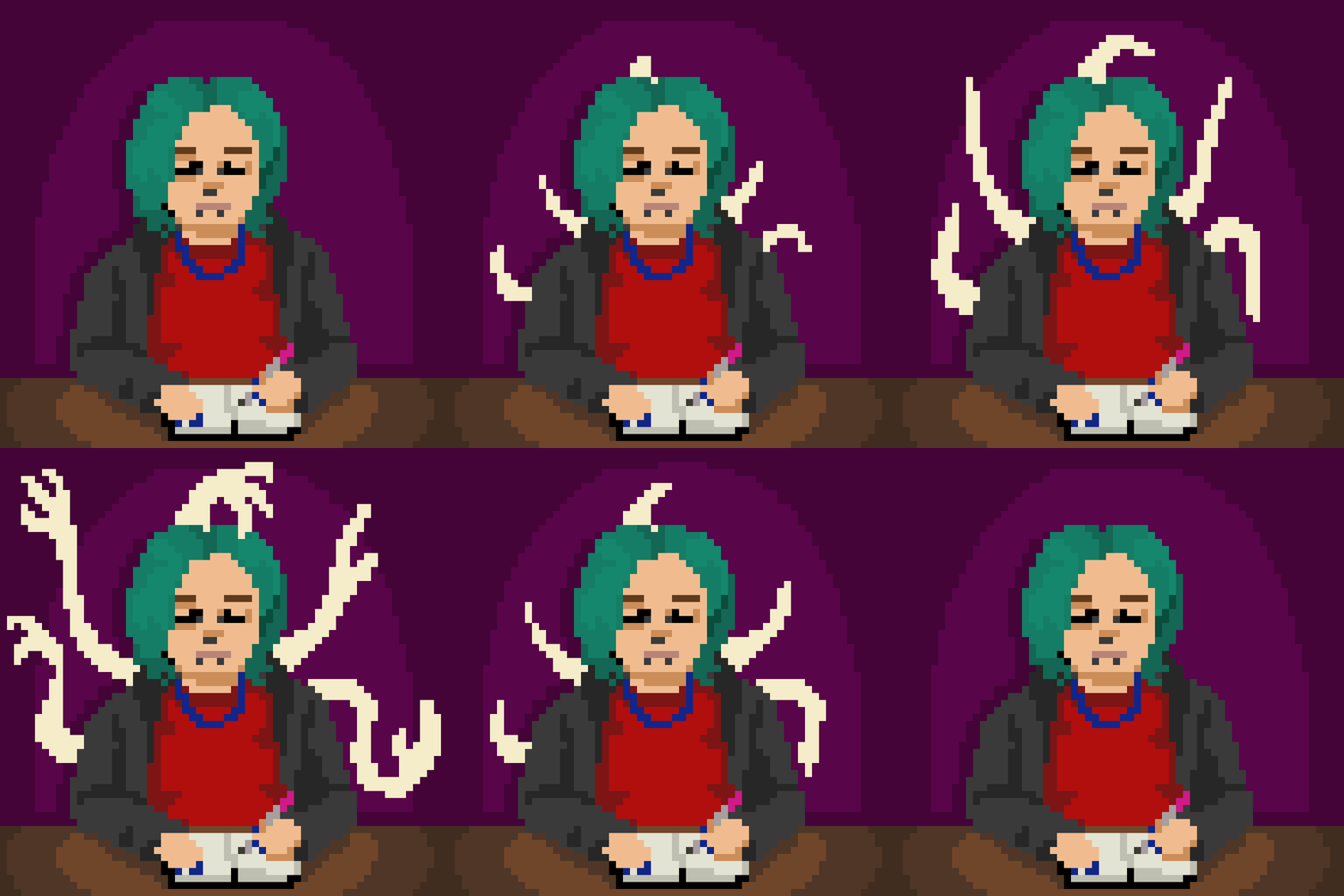
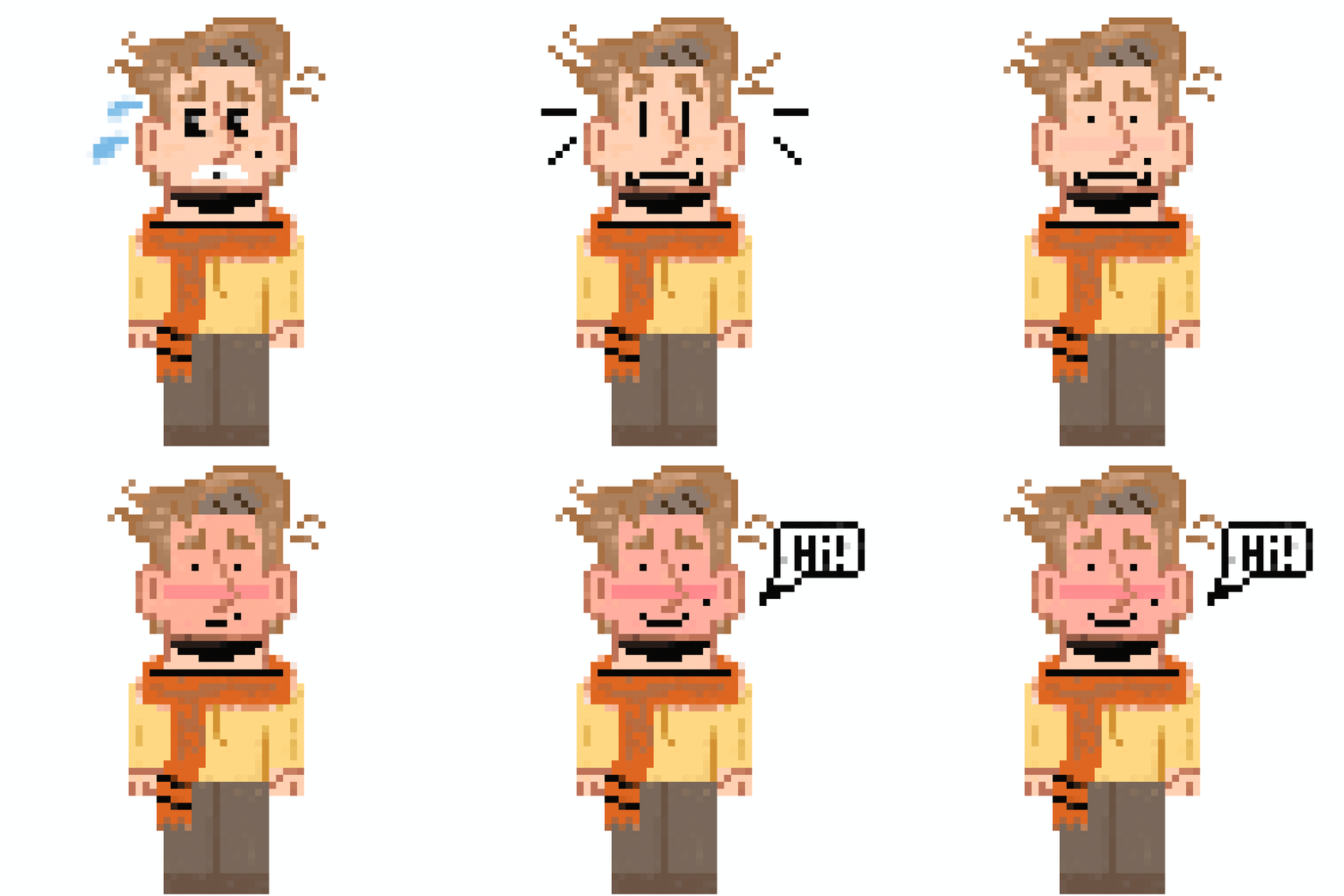
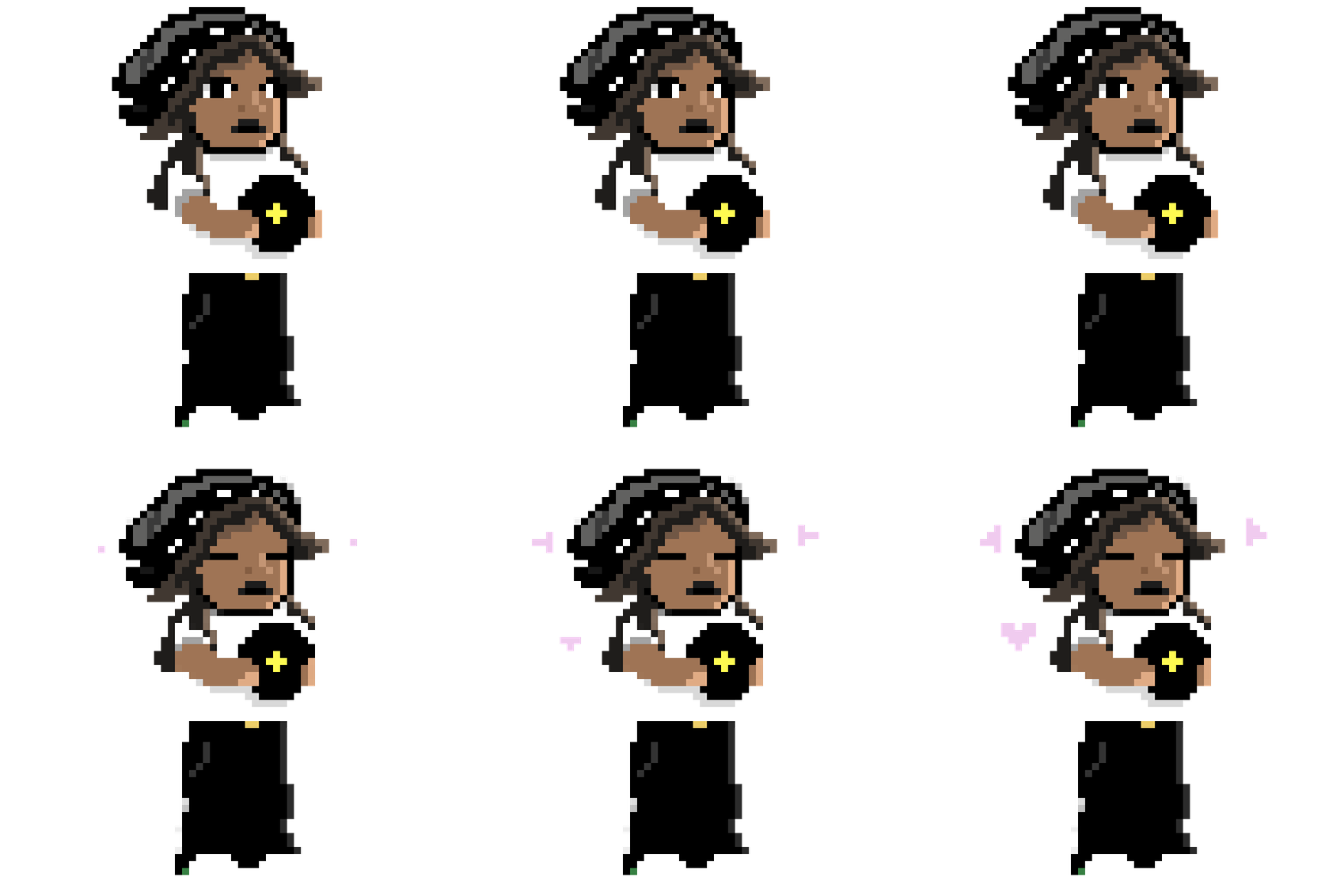
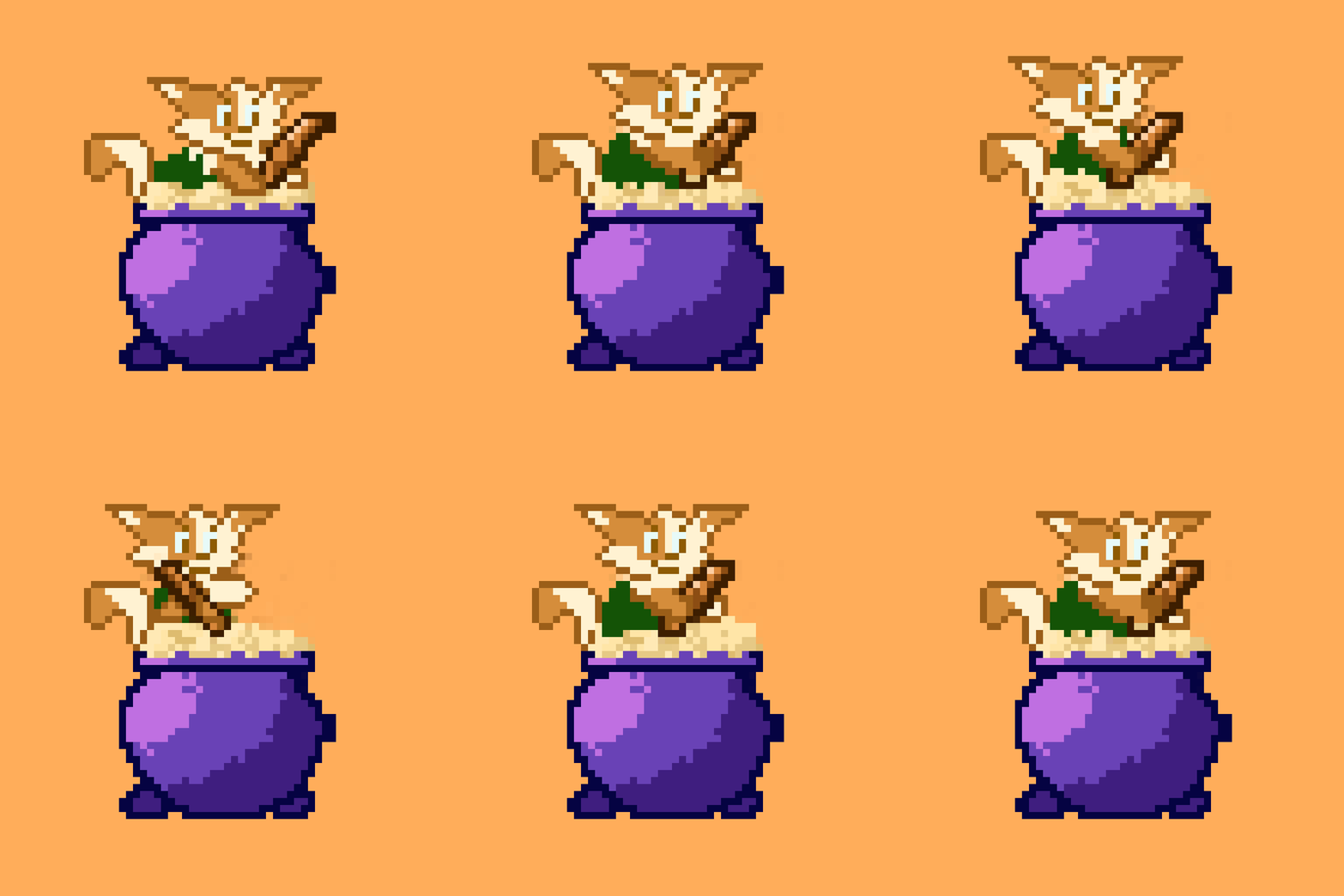
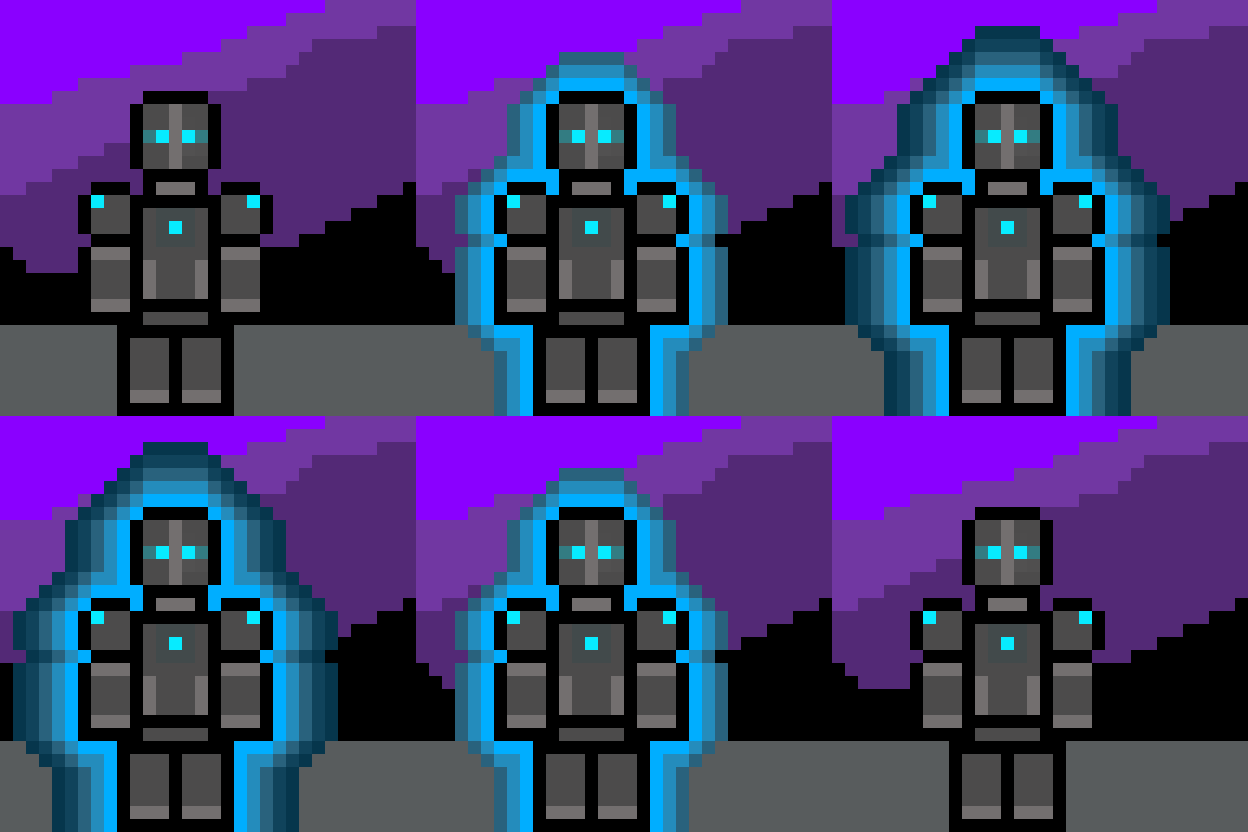
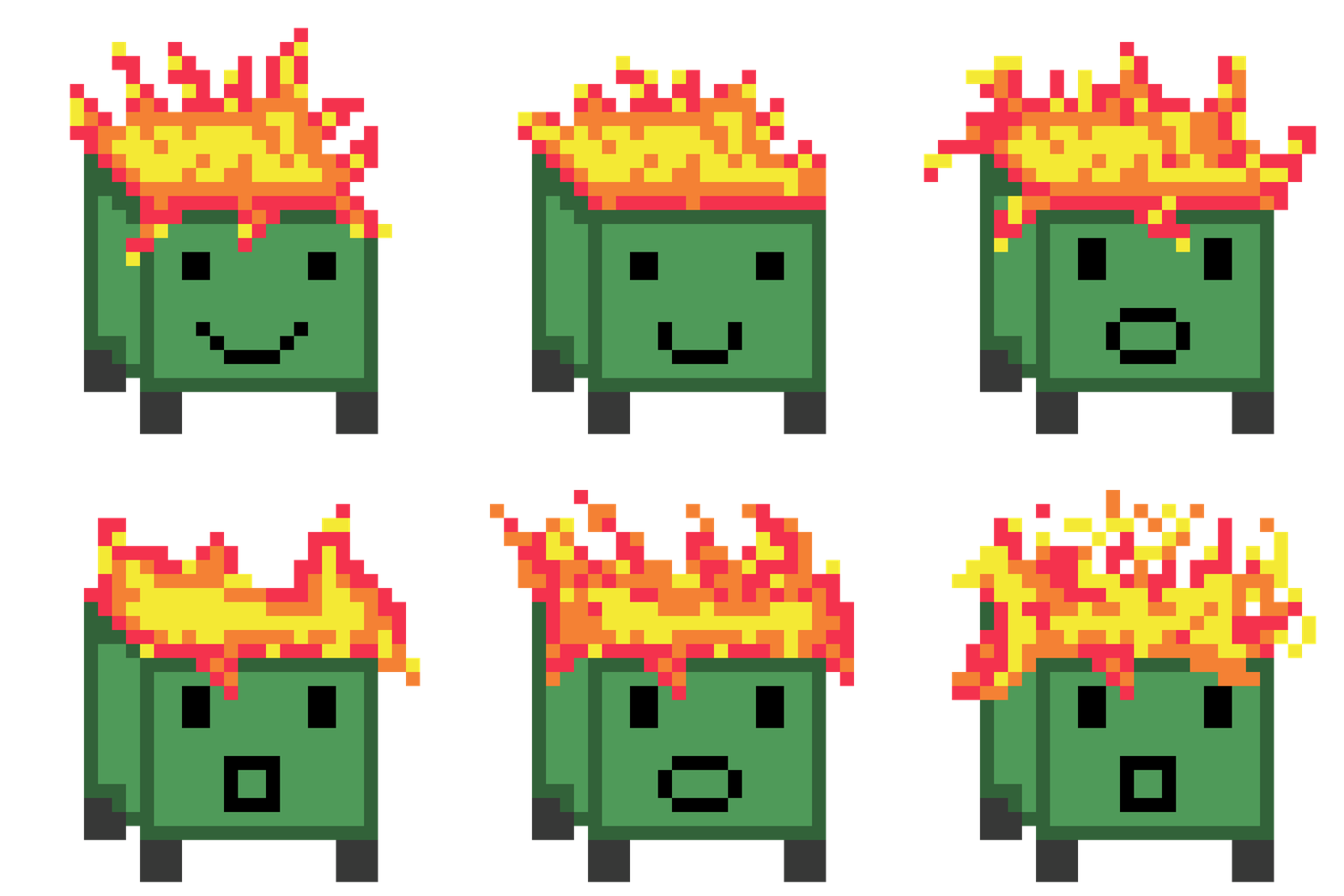
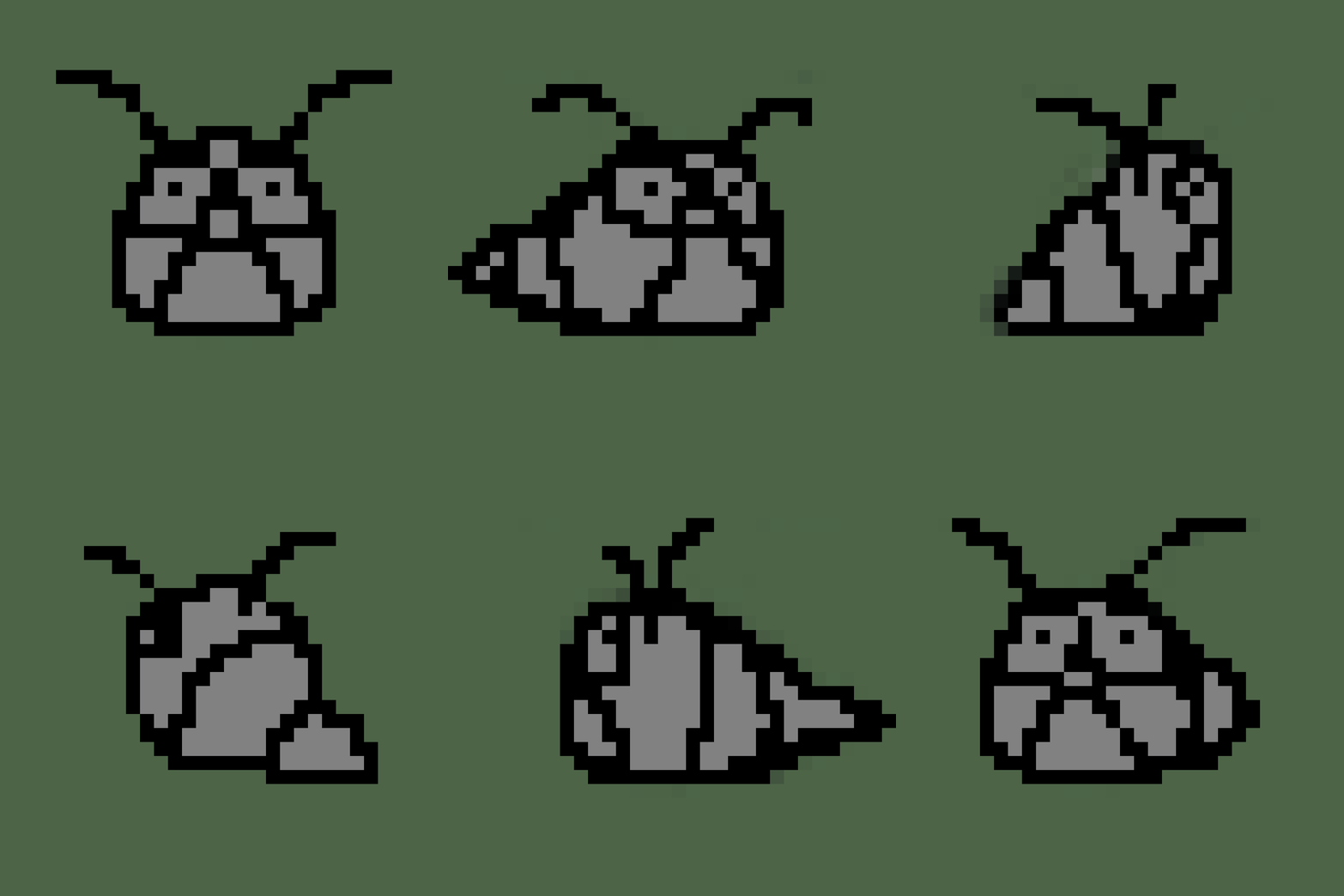
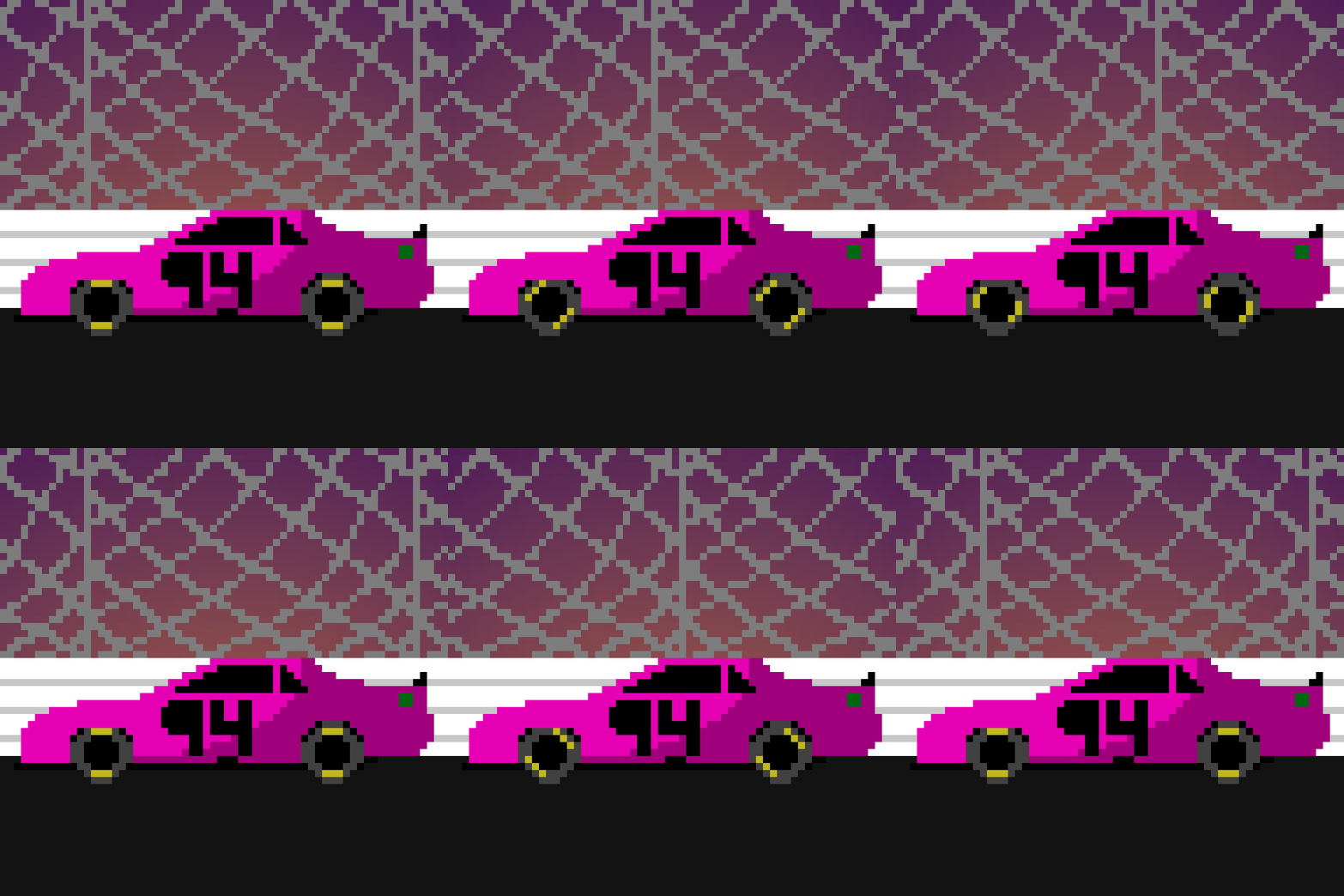
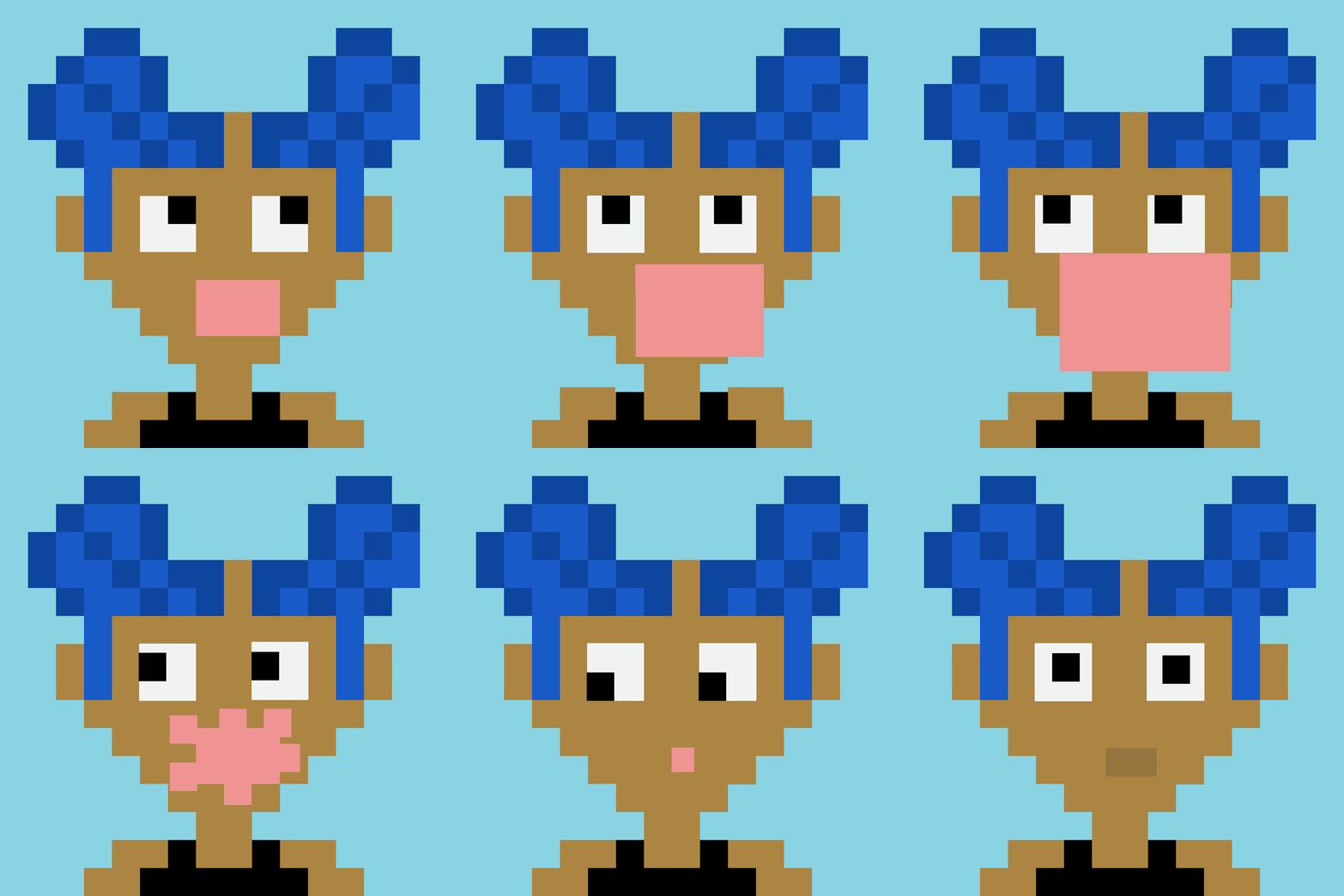
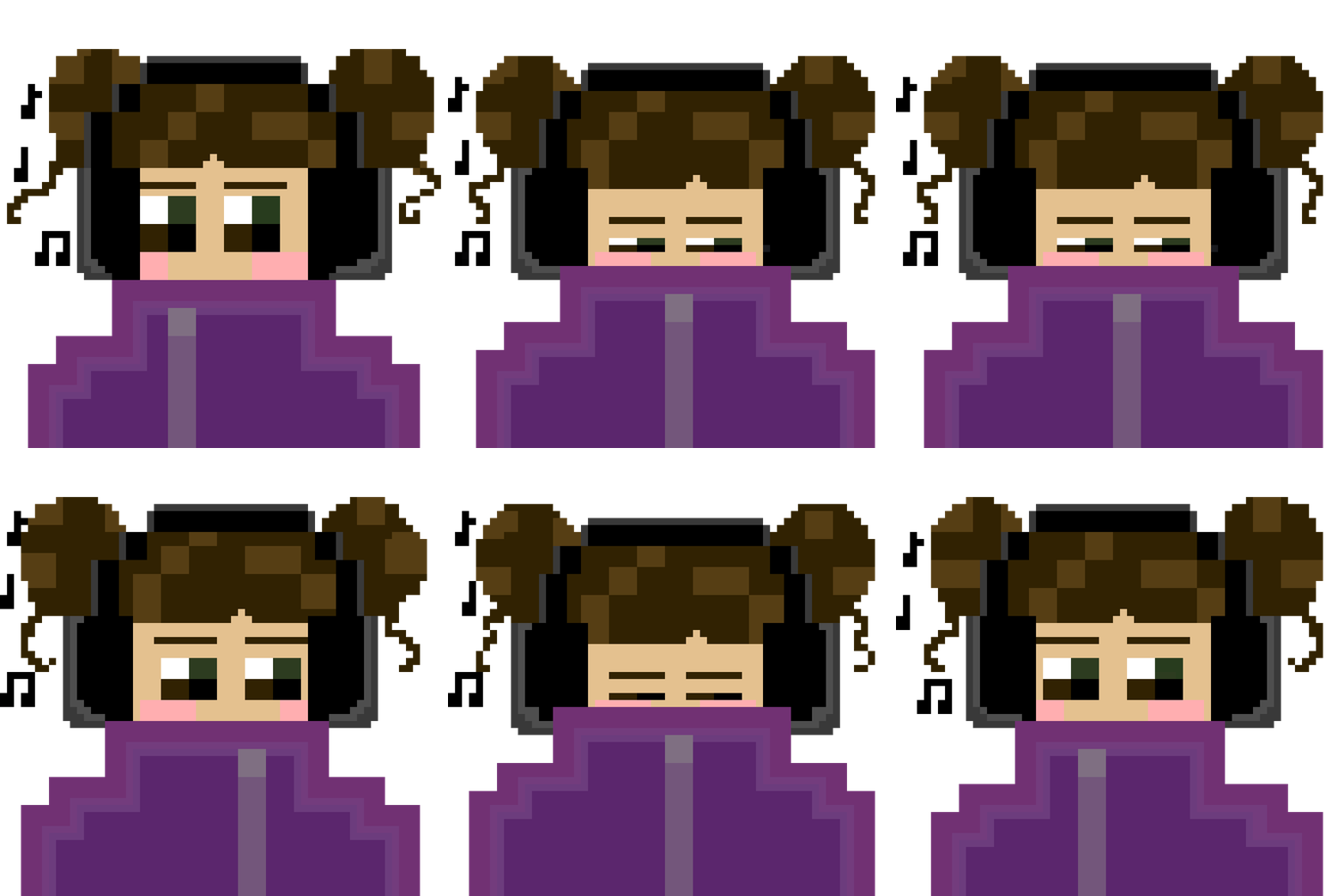
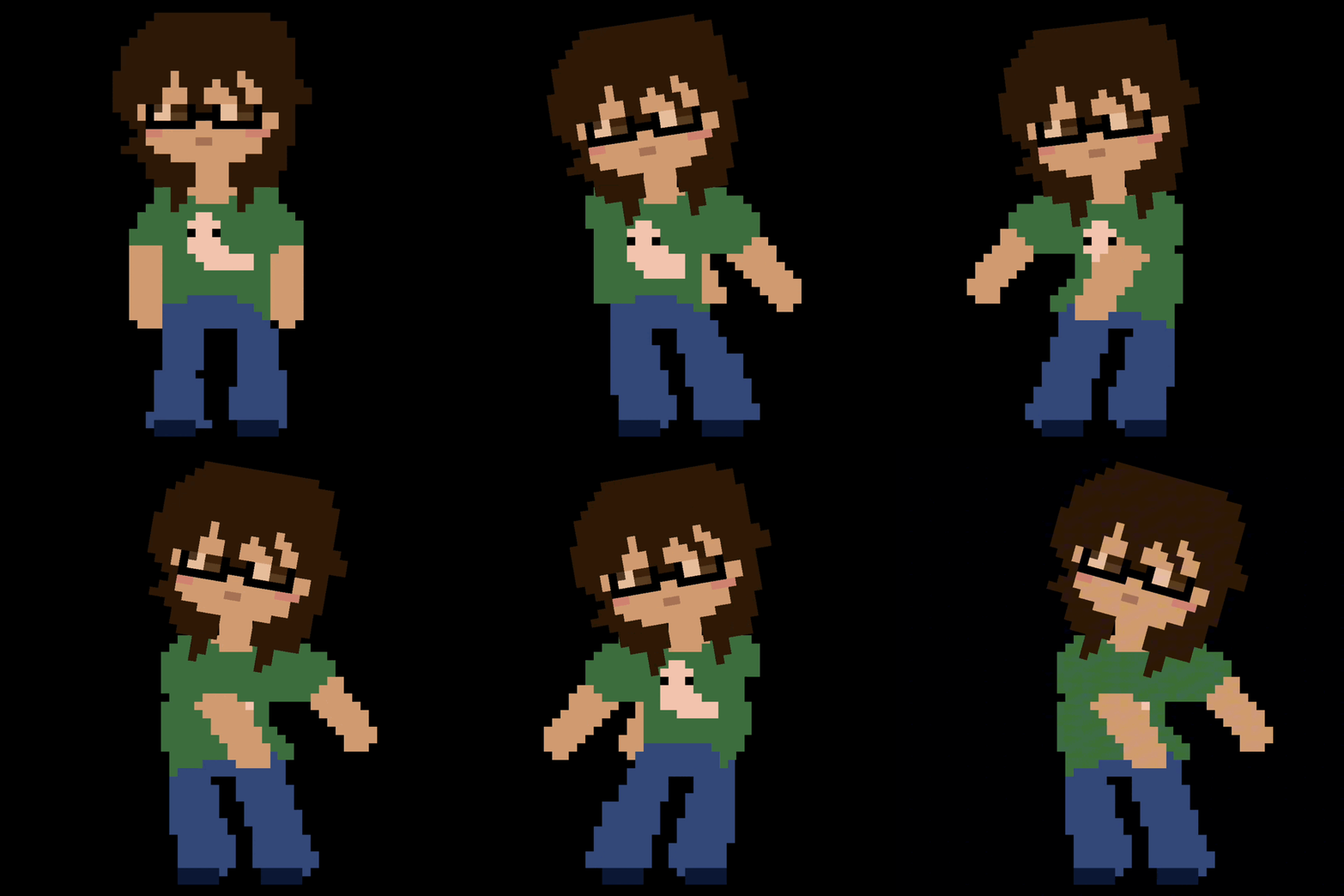
Symbolic avatars inspired by pixel art which are then turned into animated .GIFs.
Laser Cut Luminary Boxes with Arduinos
Inspired by Greek pottery, Chinese paper cutting, and the contemporary installations of Pakistani-American artist Anila Quayyum Agha, students explore how visual elements and principles can be used to communicate personal stories. Each student creates a three-dimensional illustration based on a significant memory or experience that has influenced their identity and helped shape who they are today. The form, imagery, light, color, and shadows are intentionally designed to communicate aspects of their individual story.
Students are encouraged to consider both their materials and their process as part of the creative experience. They design their imagery in Adobe Illustrator and fabricate their three-dimensional compositions from mat board using a laser cutter. They then build a circuit with RGB LEDs and program the lights using an Arduino microcontroller. The individually controlled lights illuminate the interior of the composition and project shadows of the student's imagery, transforming their personal story into an interactive light-based installation.
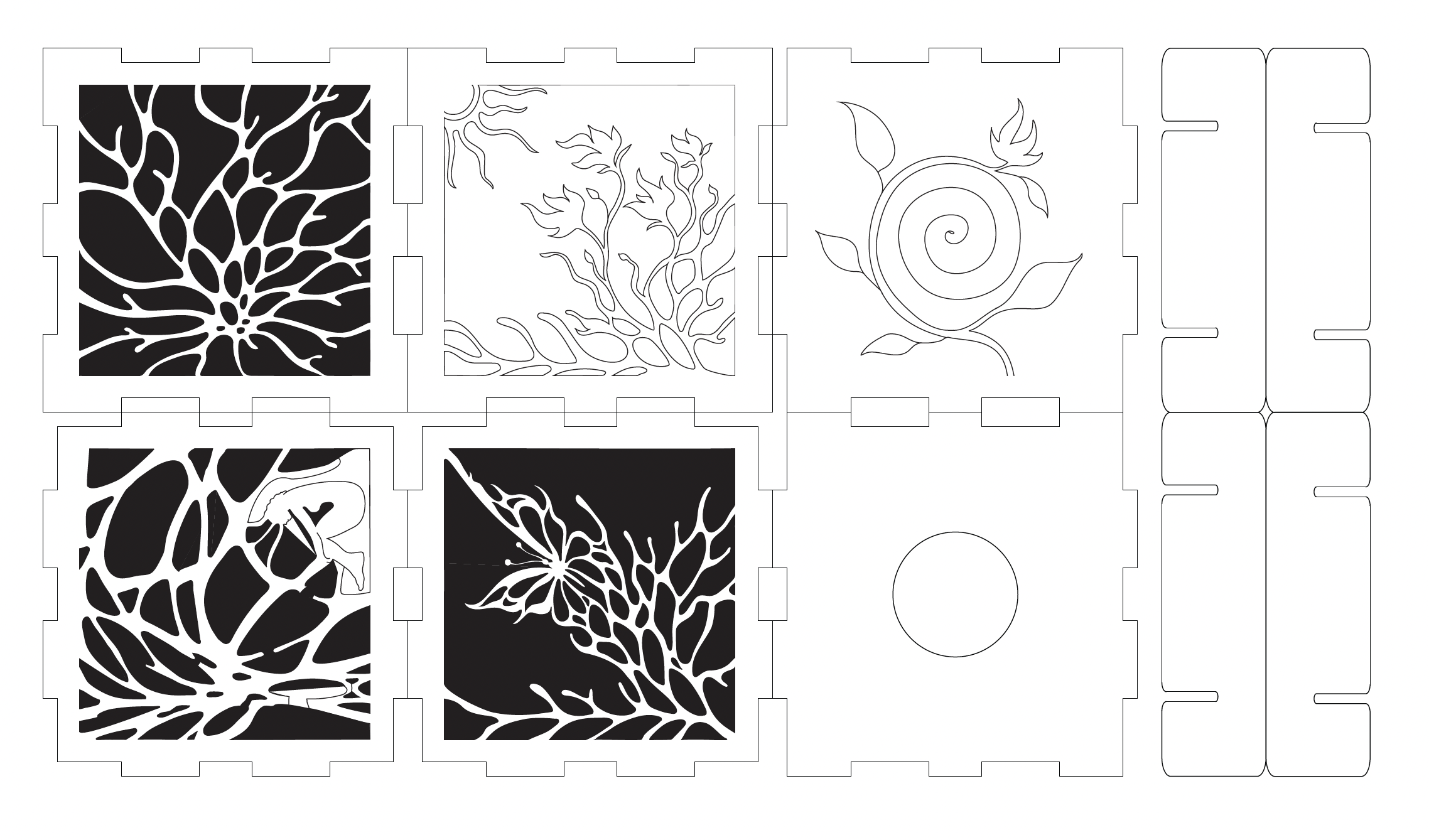
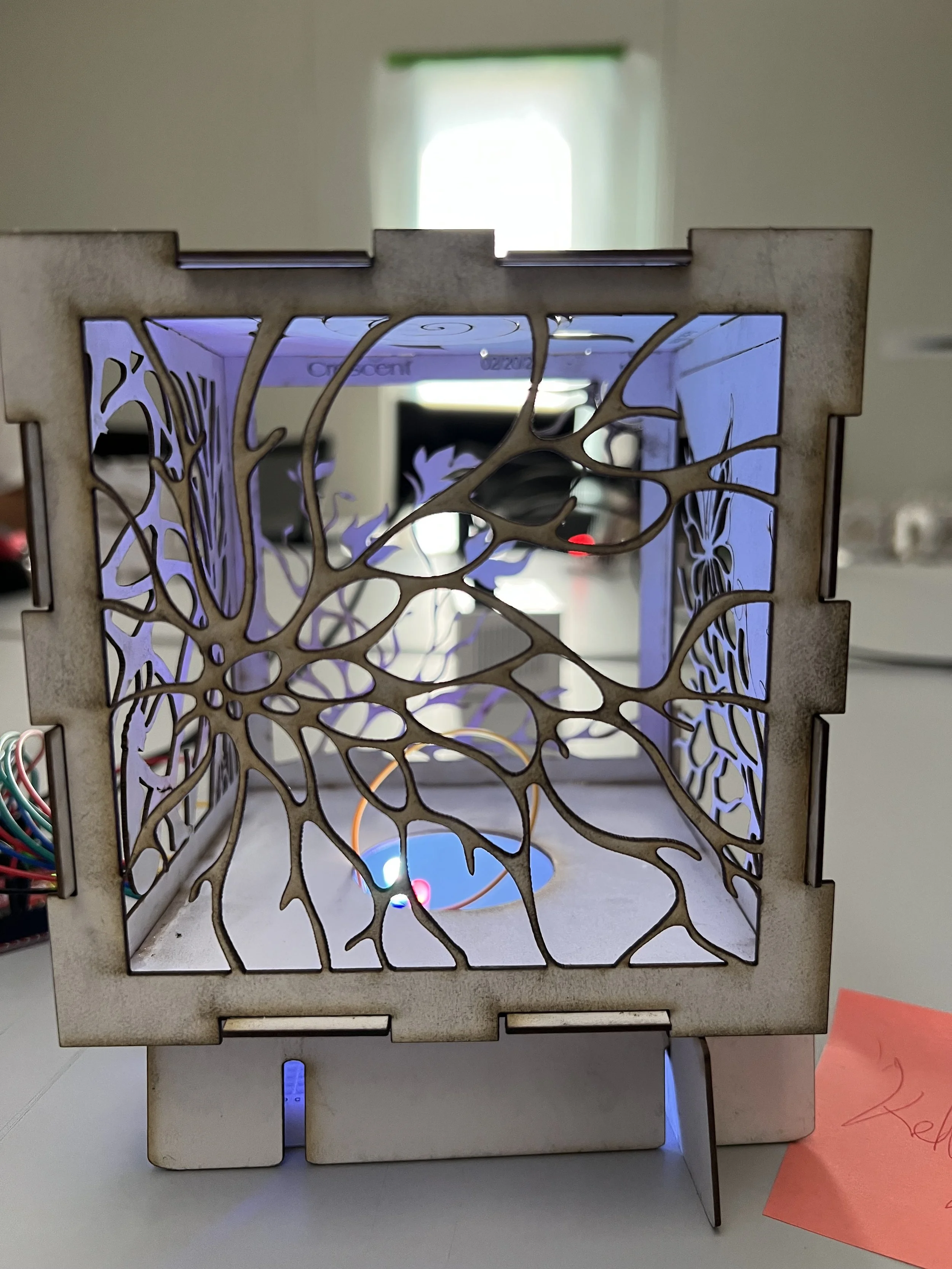
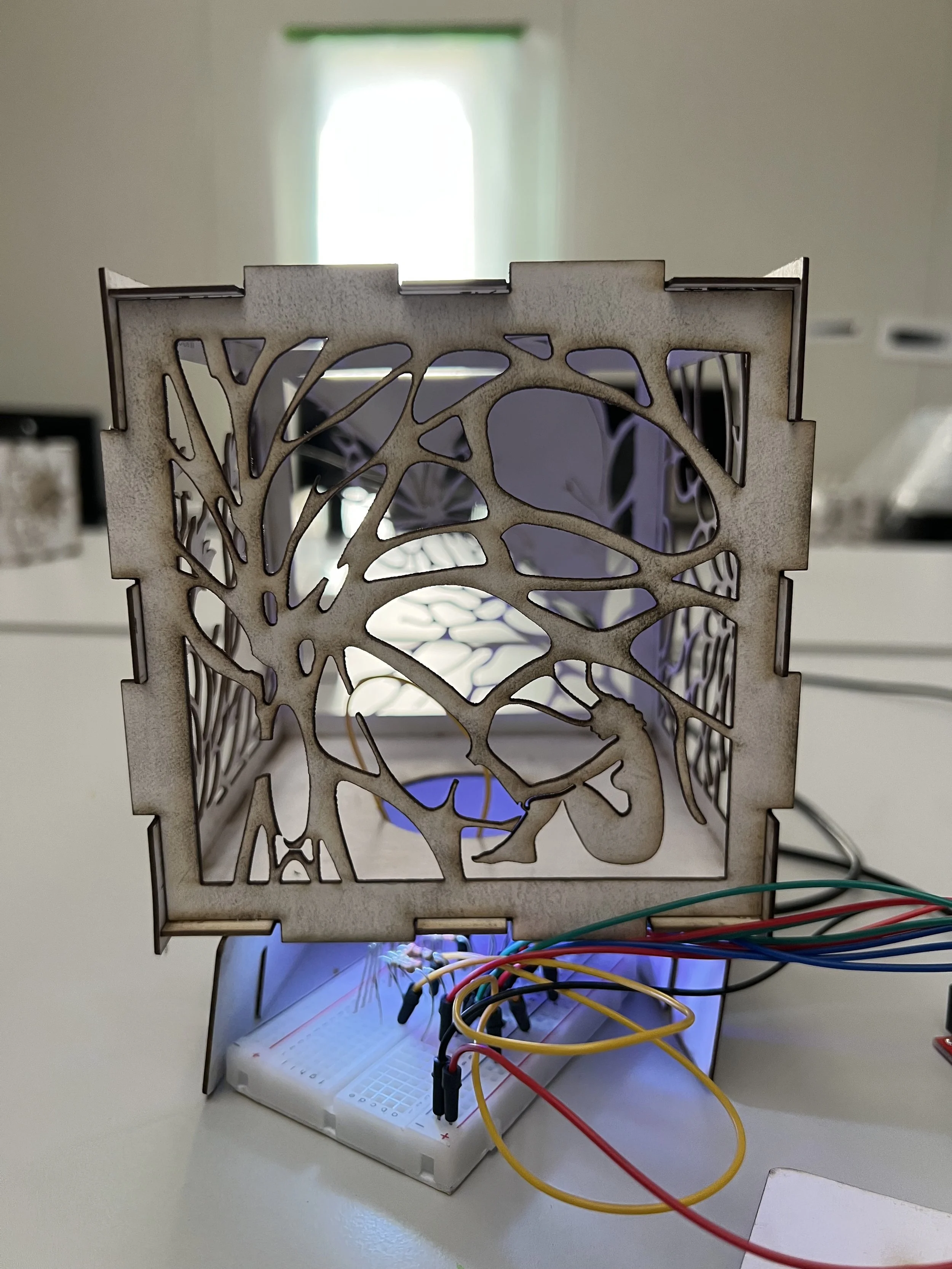
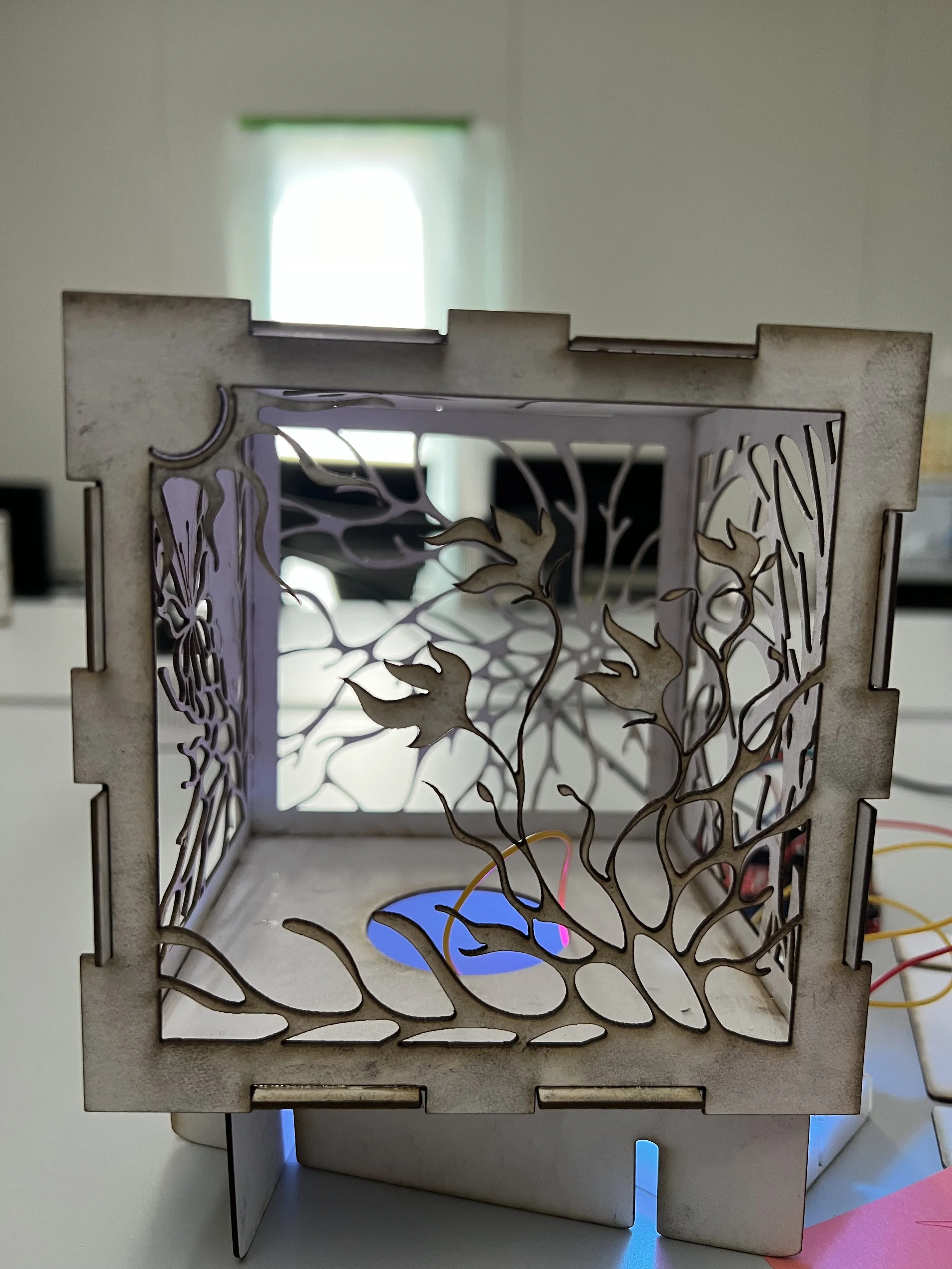
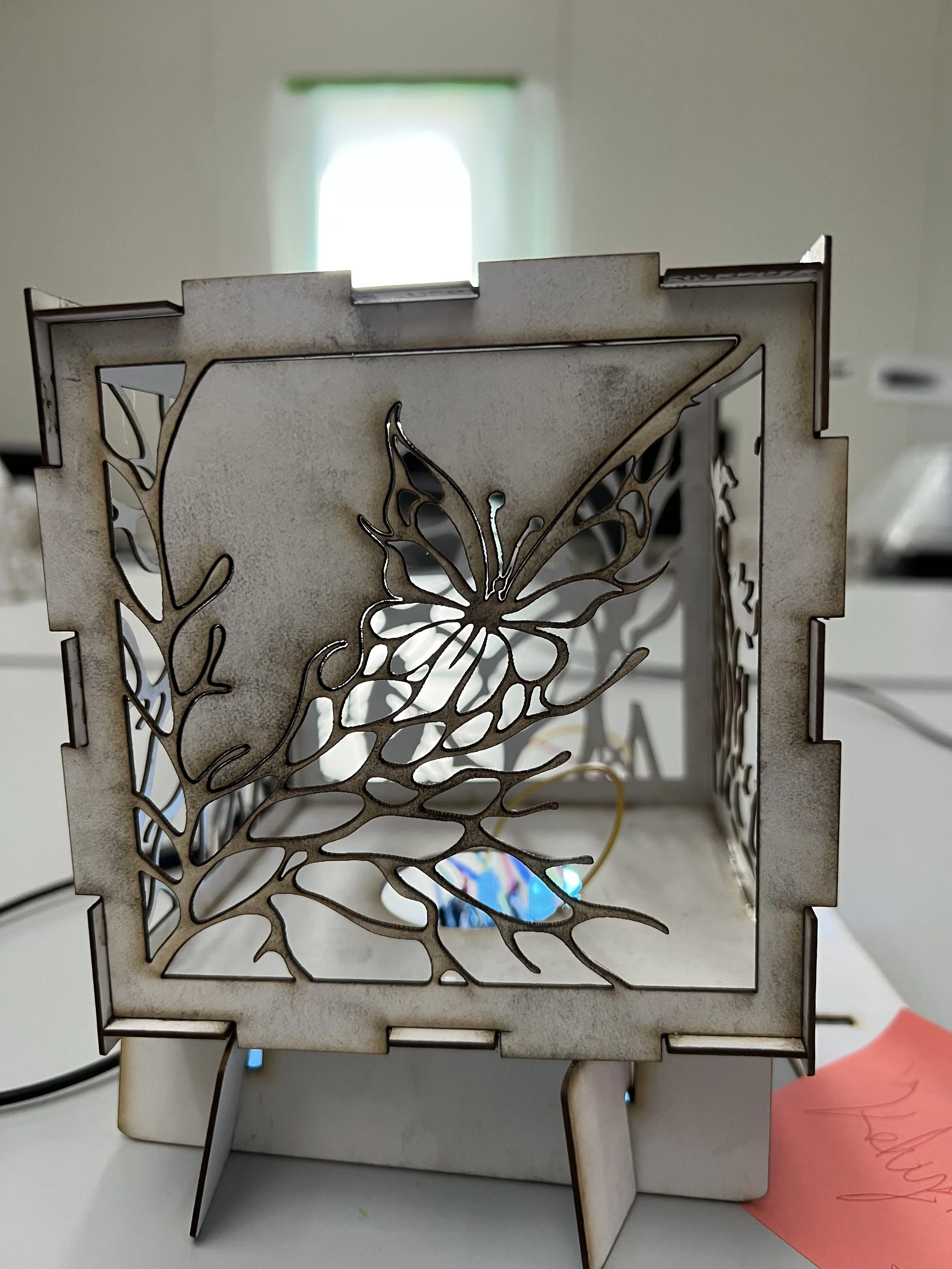
Examples of a student’s work designed in Adobe Illustrator, then fabricated with a laser cutter. Next, they build a basic circuit, experiment with digital color mixing and programs an Arduino to animate colored lights that help tell their story.
Digital Painting and Illustration - Virtual 360 Gallery
Winner of Best in Show at the juried Art and Emerging Technologies to Improve Society Show at the COS Art Gallery, May 2024.
An interactive 360° student gallery featuring digital illustrations, portraits, still-life studies, and visual storytelling projects. This virtual exhibition highlights students' developing technical skills, creative voices, and ability to communicate their ideas through imagery.
Explore the gallery by looking for icons and interactive indicators that guide you through each student's body of work and their individual creative worlds.
*** User Notice for 360° Panoramas: Scroll function may be limited depending on your device.
Hover your cursor on these interactive 360°s, then click to move the image up, down, and all around. However, your scroll action may initiate a zoom function on the image depending on the type of device you are currently using. If you become stuck, please move your cursor into the black on the right or left of the image to continue scrolling down.
Introduction to Animation
Students are introduced to the fundamentals of animation and use Adobe Media Encoder, Premiere Pro, After Effects, and Animate to explore visual narratives, movement, and motion graphics. The majority of students have never used these programs before the course, though many enter with some basic drawing skills and rudimentary knowledge of Photoshop or Illustrator, neither of which is a prerequisite.
Projects introduce students to key concepts such as timing, sequencing, frame-by-frame animation, rotoscoping, and digital compositing. Students produce GIFs, drawings, storyboards, short videos, and other animated works while developing the ability to translate visual ideas into movement and time-based media.
Student project animations and exercises from an animation course taught asynchronously online.
Introduction to Digital Photography:
Student work exploring photography as a digital art and visual communication tool. Most students begin with limited experience beyond point-and-shoot photography, developing foundational camera skills through the use of DSLR or mirrorless cameras and manual settings.
Through hands-on assignments, students learn to control aperture, shutter speed, and ISO to intentionally shape light, motion, depth, and mood. Projects emphasize visual storytelling, composition, and conceptual development while working primarily in-camera, without relying on Photoshop or other image-editing software. The resulting work demonstrates how technical camera skills can become a foundation for creative expression across photography, videography, digital media, graphic design, and visual communication.
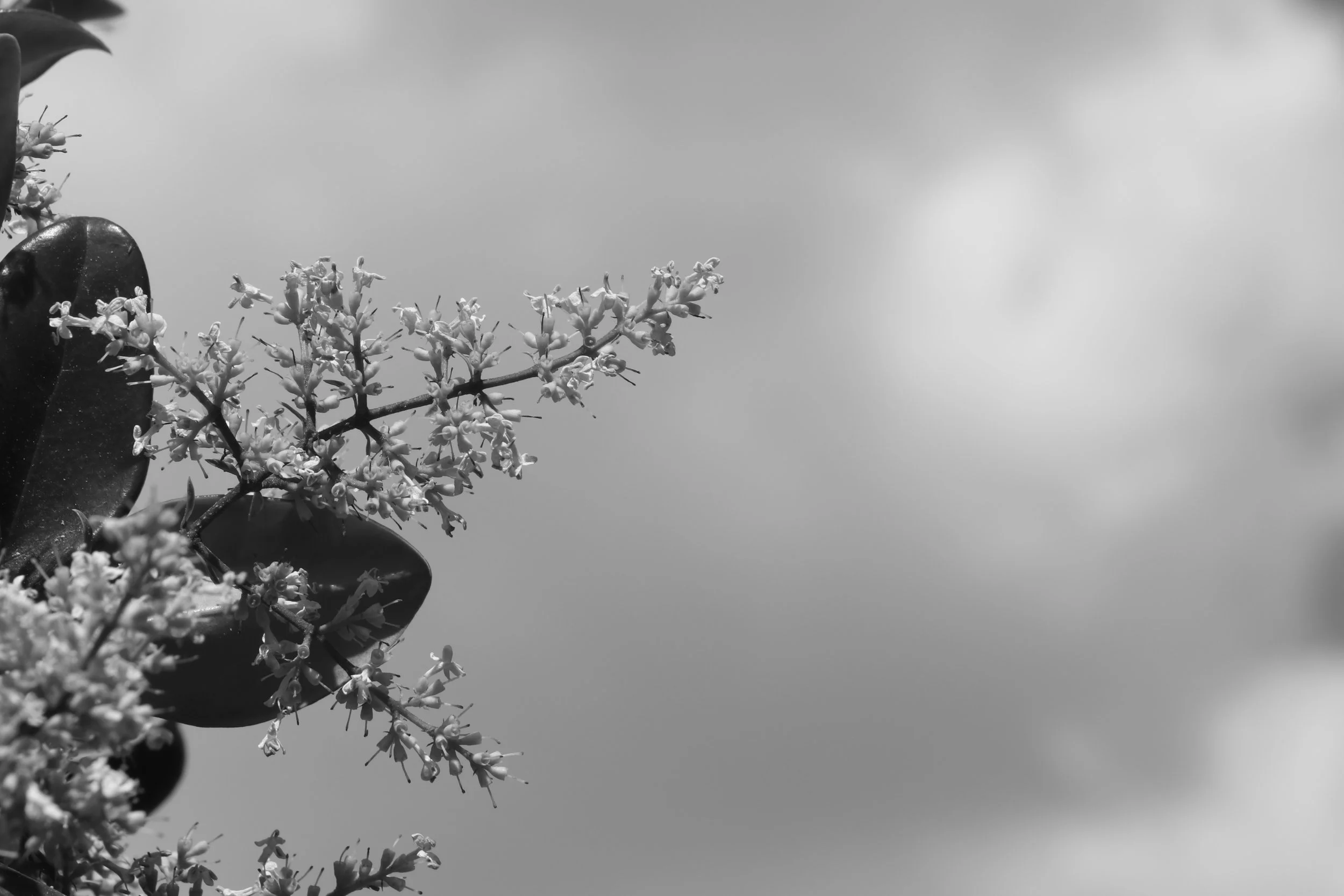
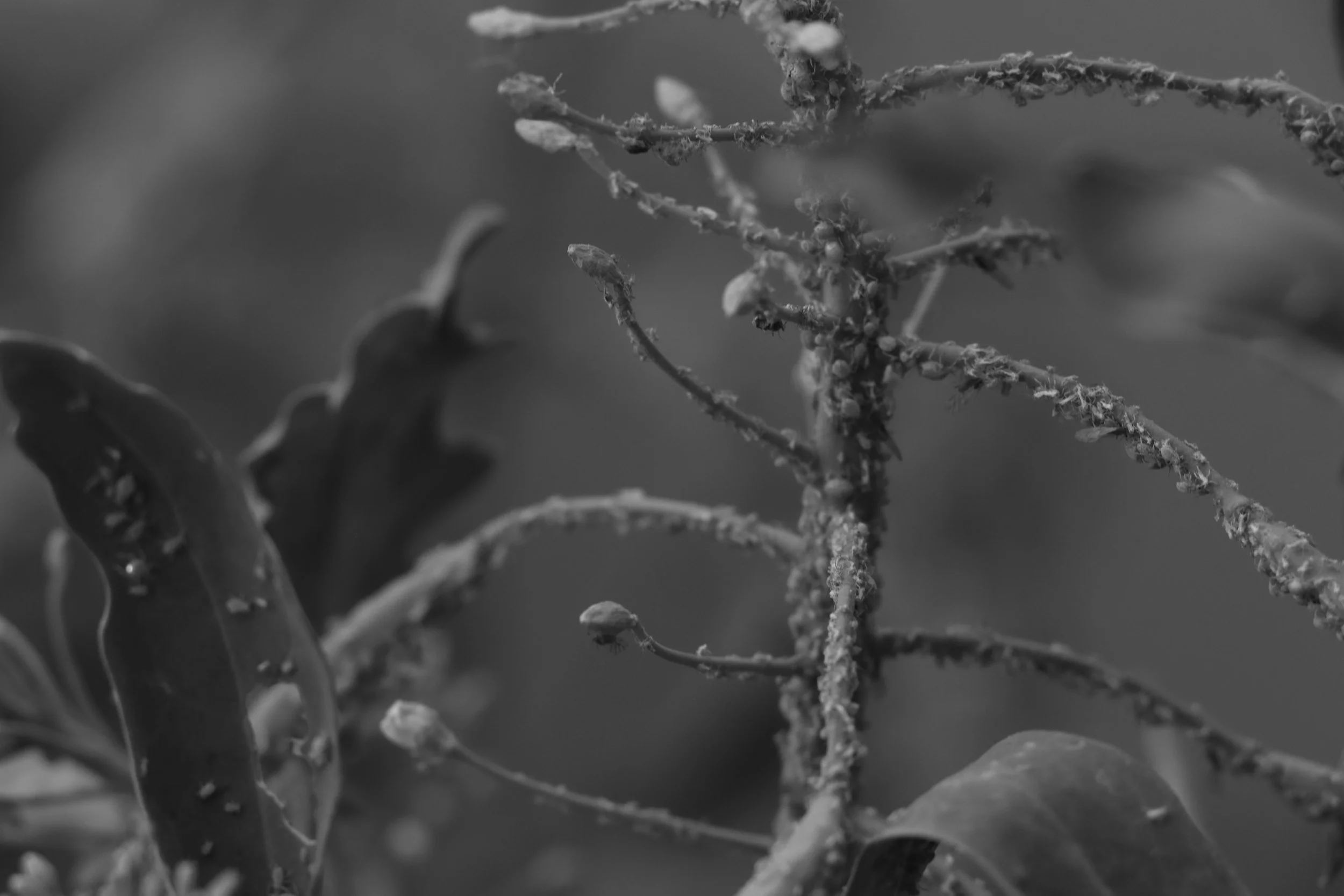
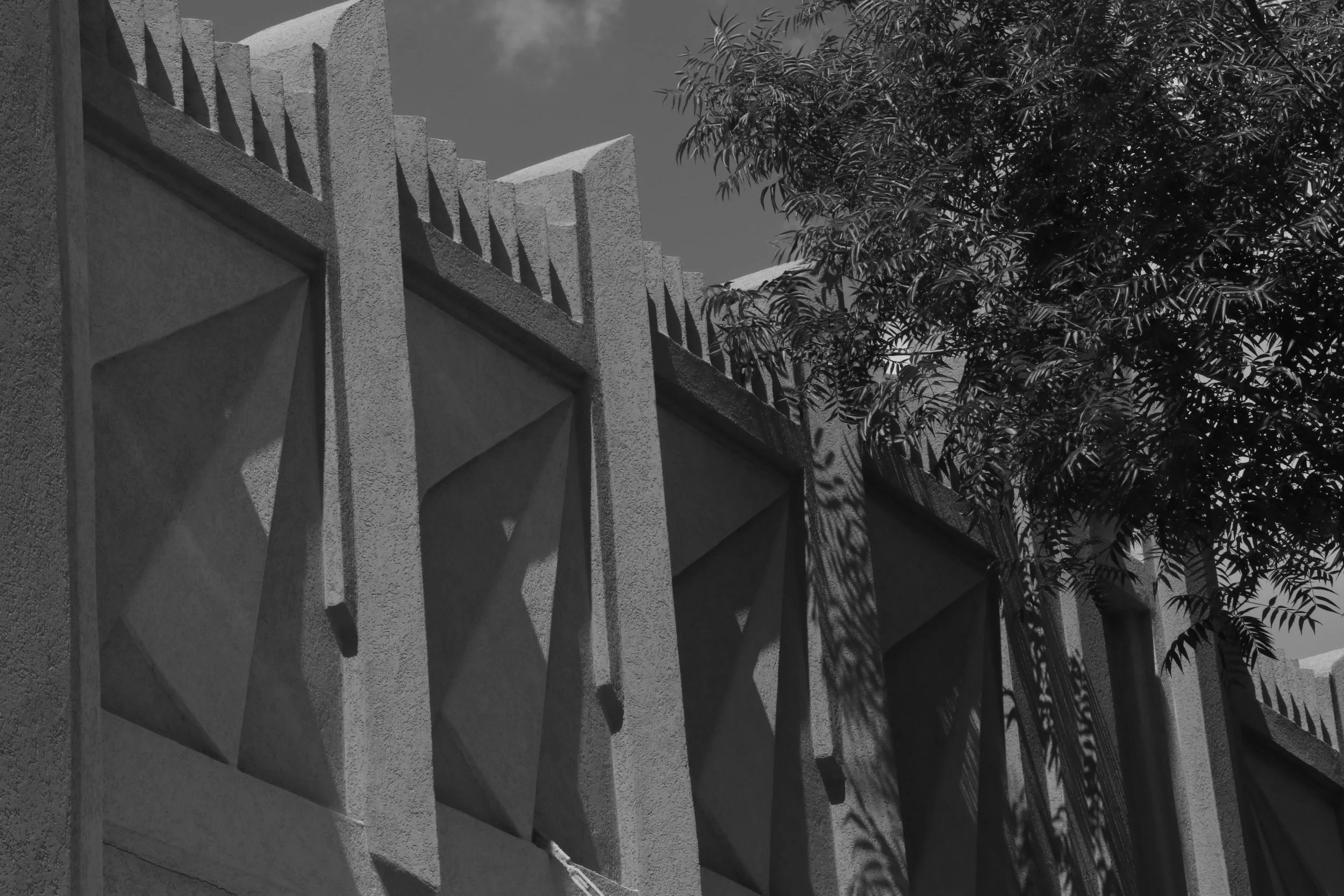
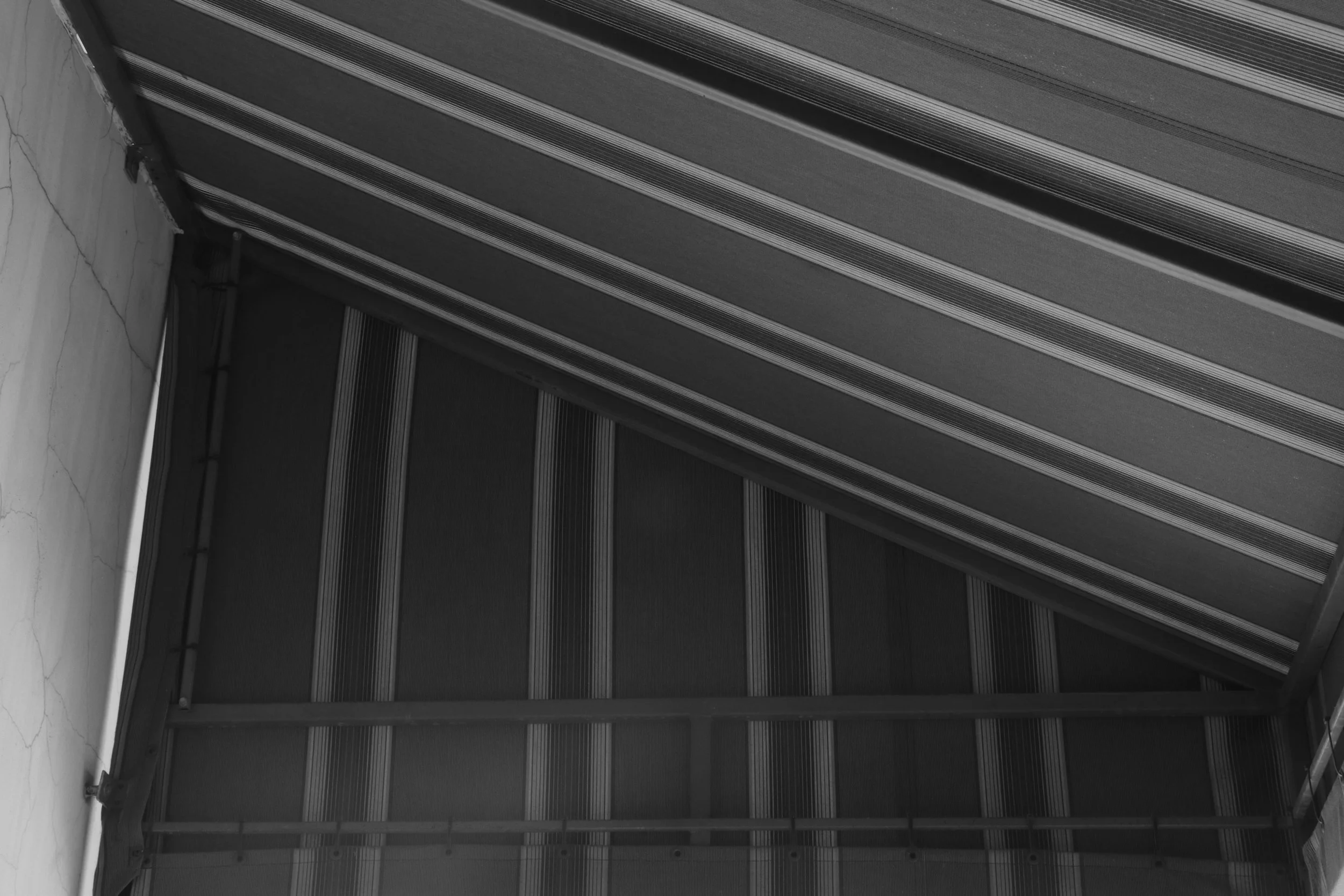
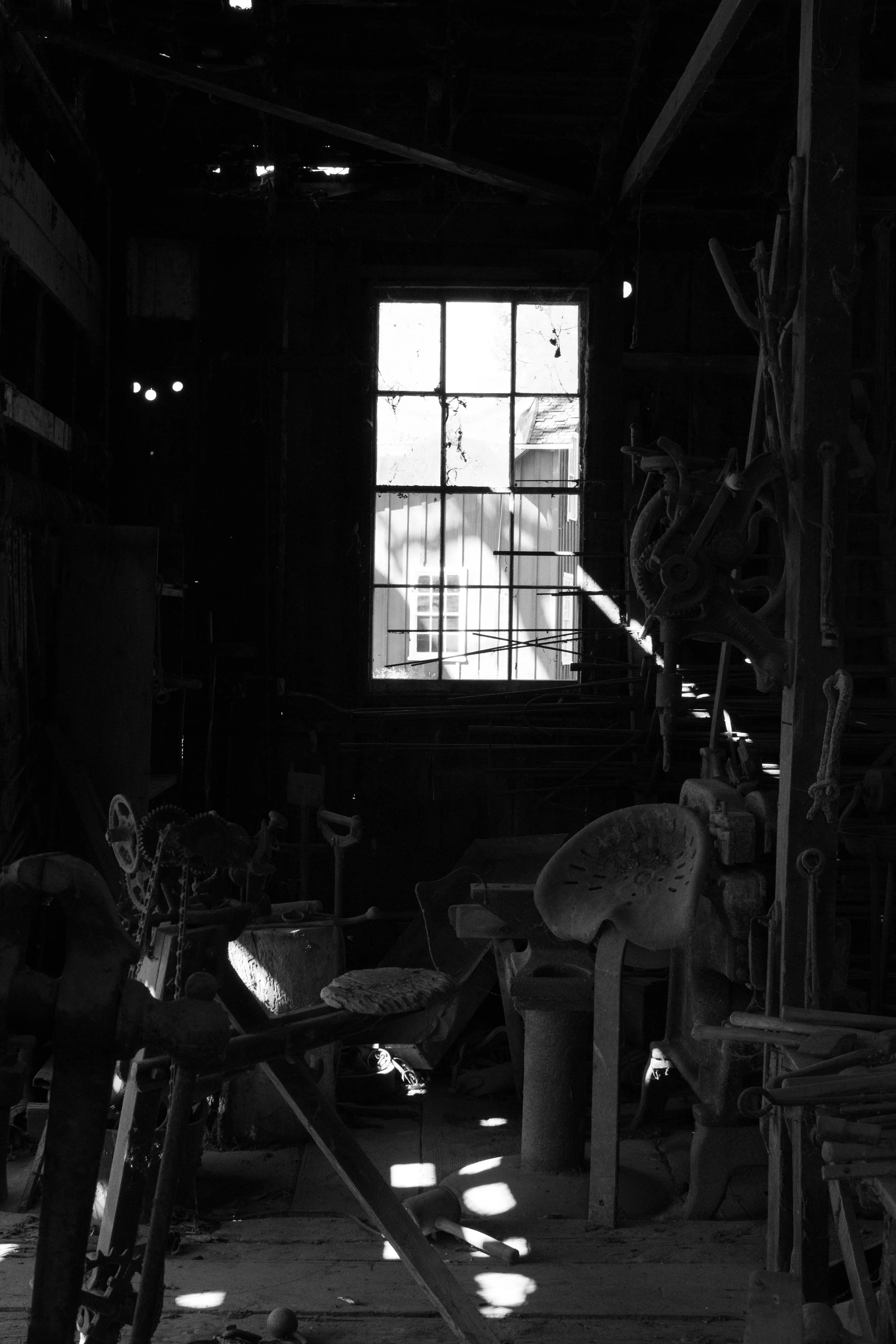
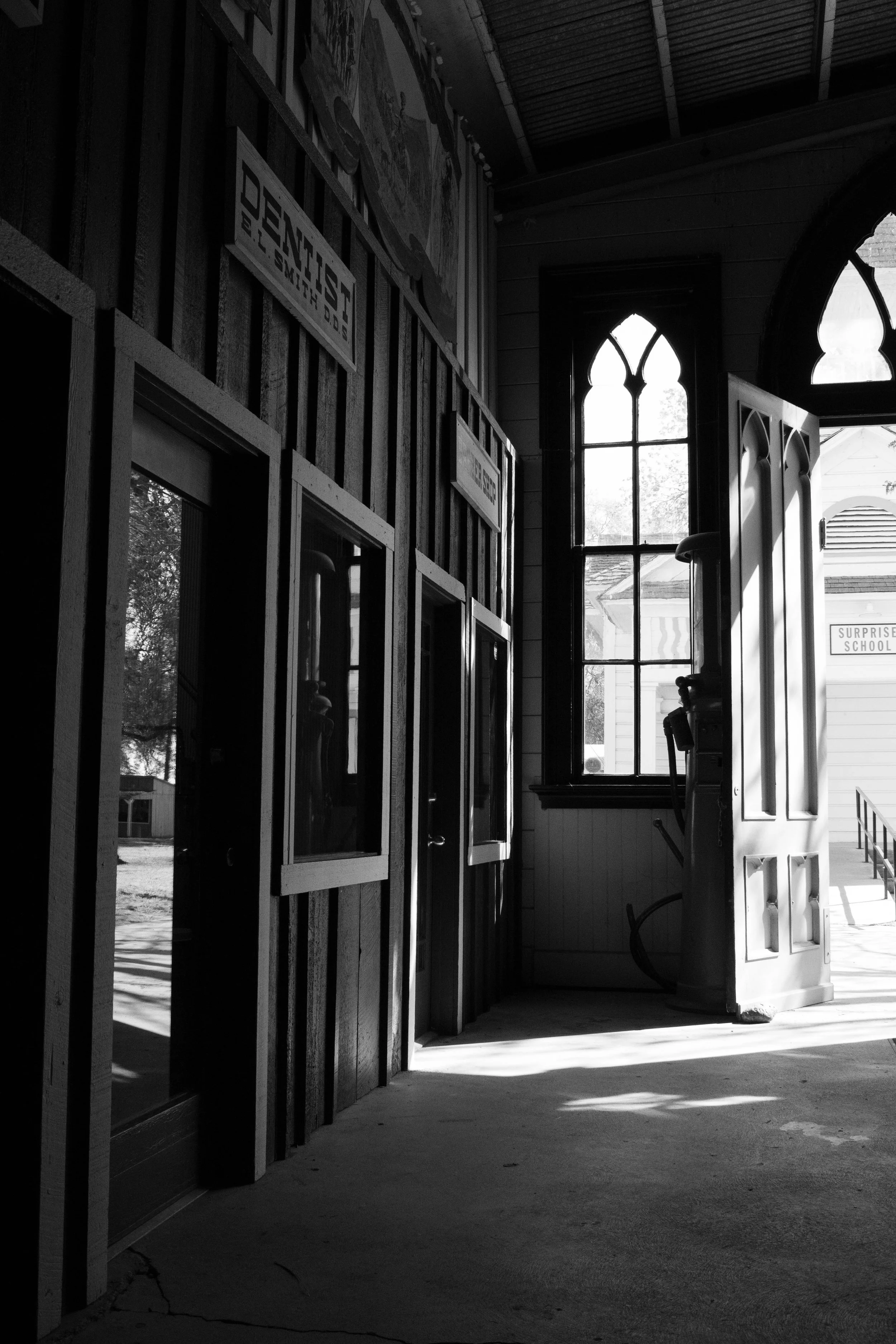
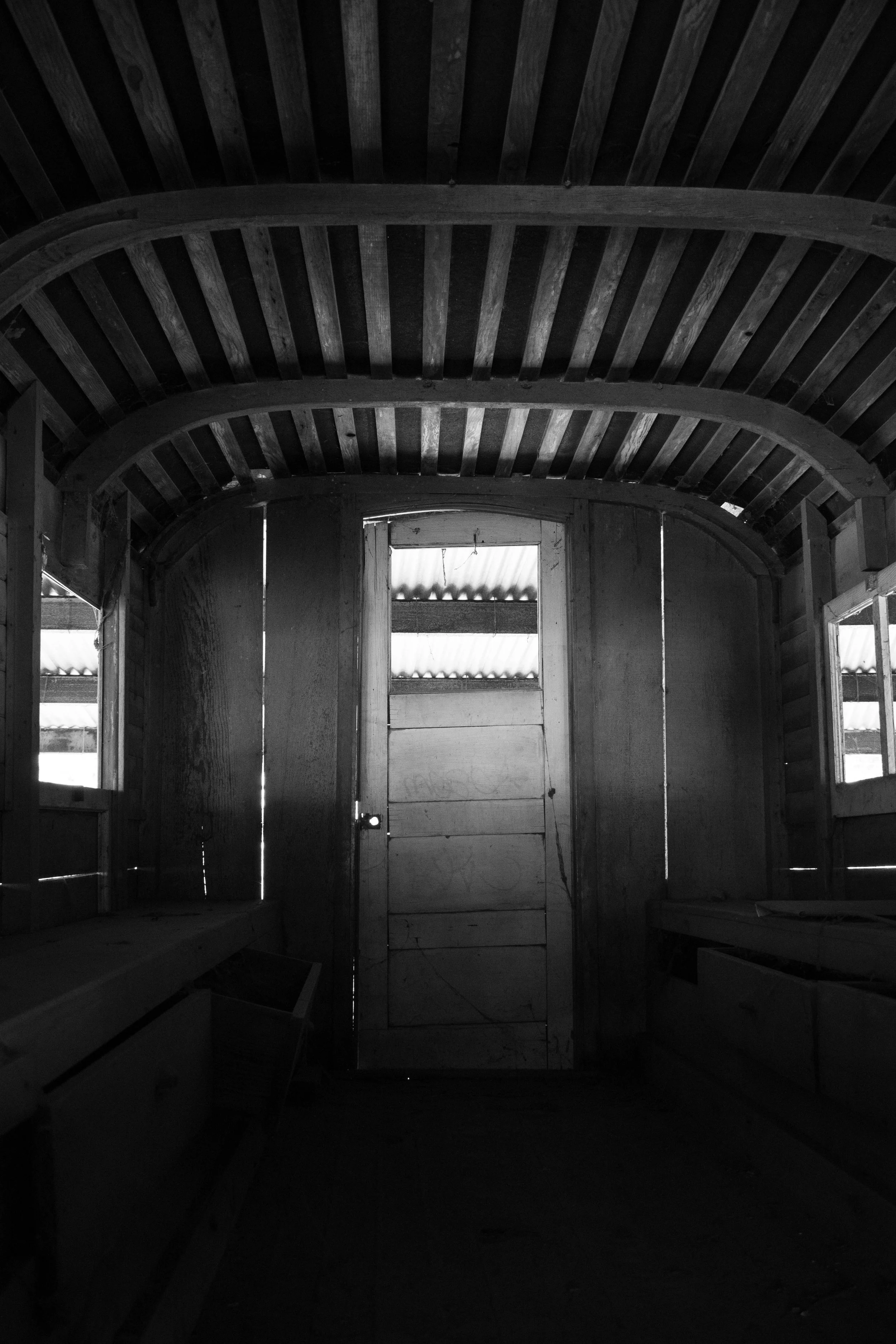
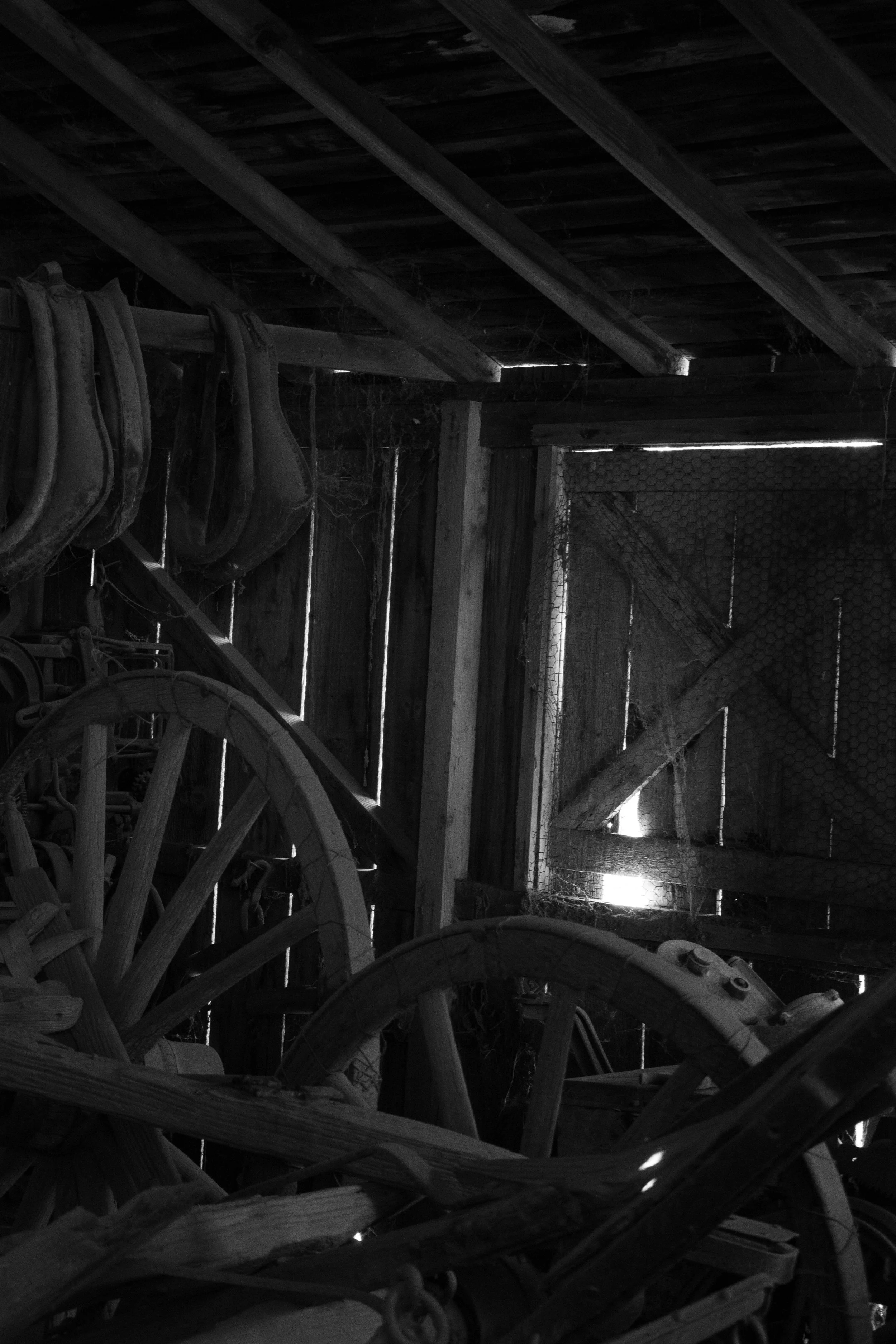
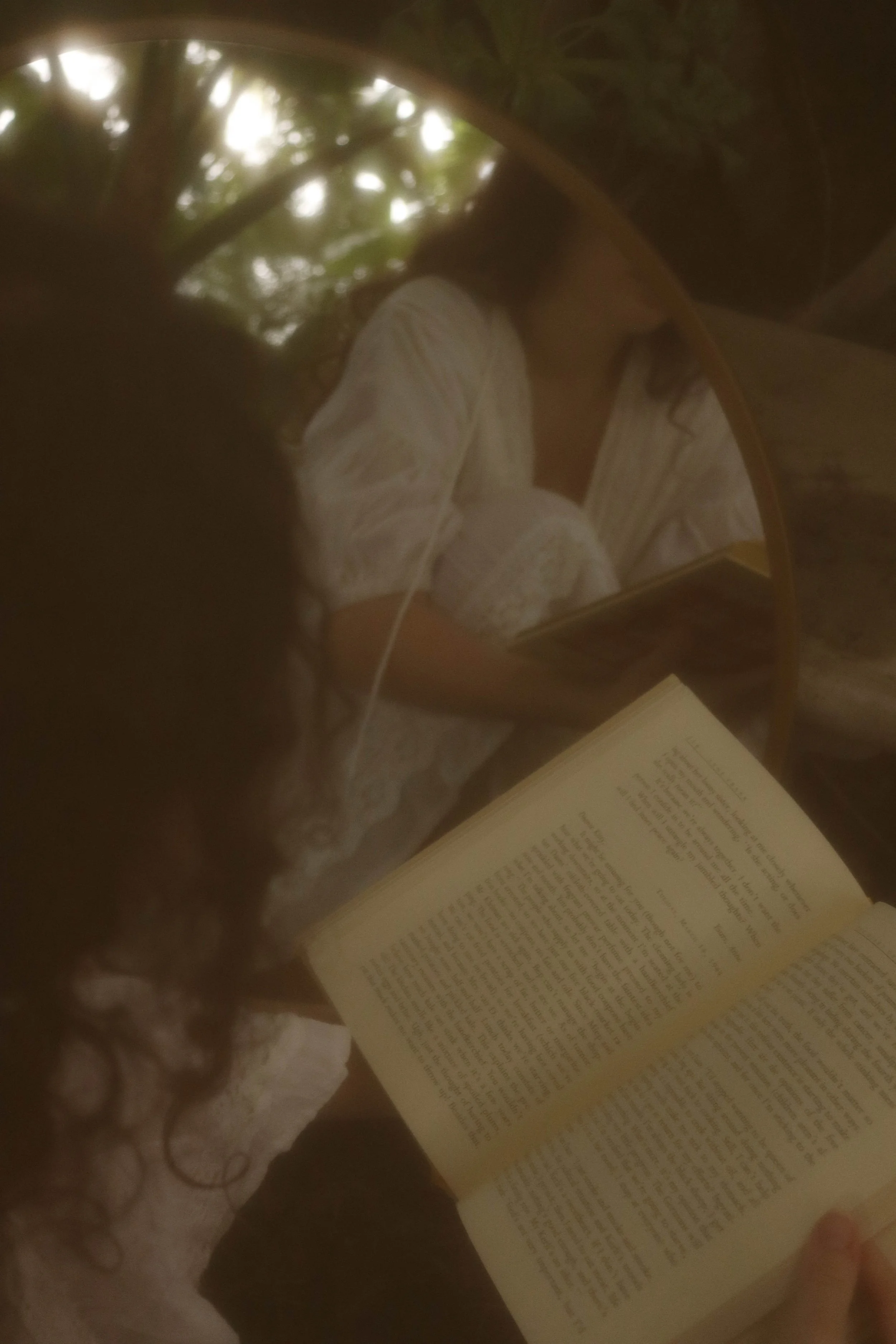
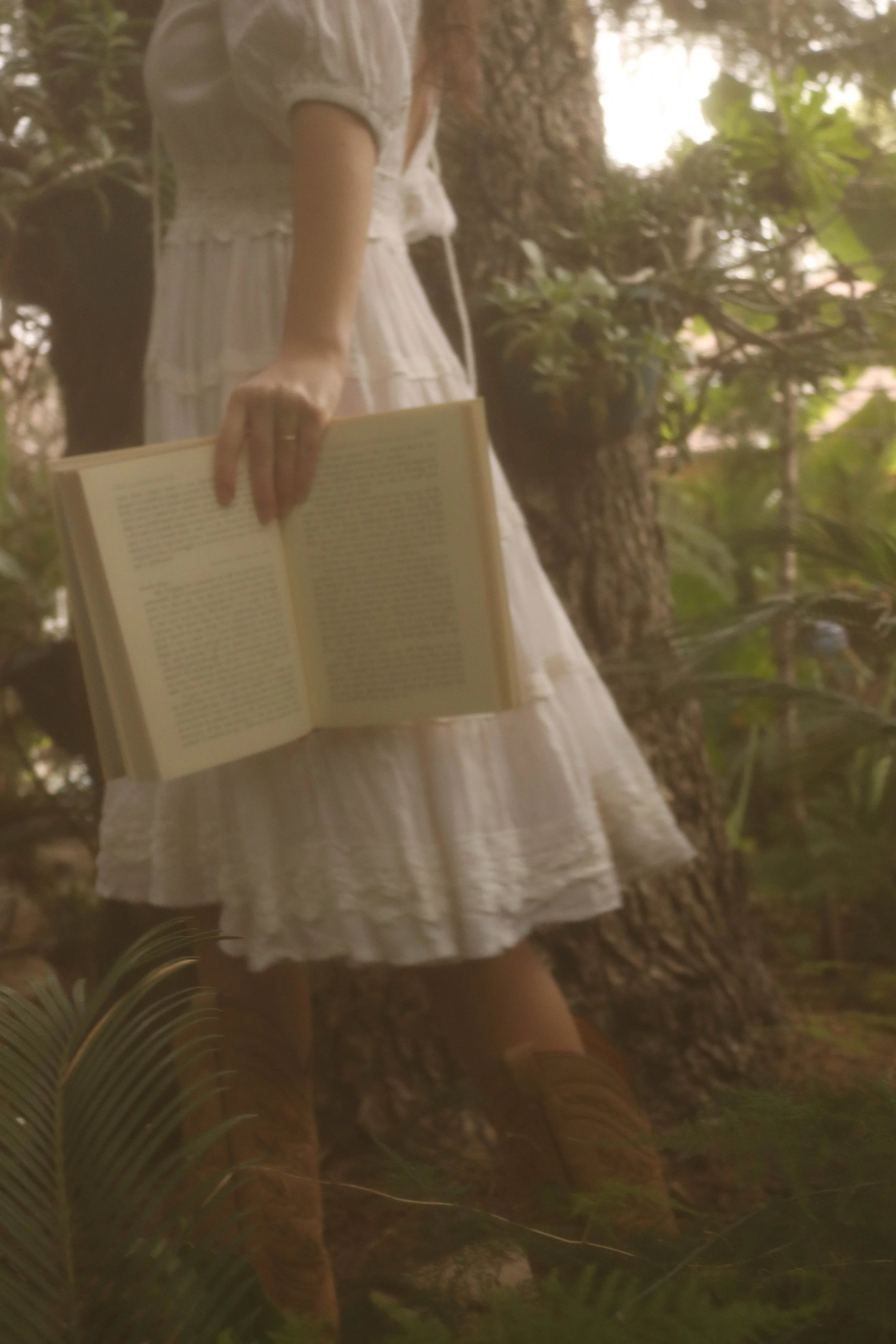
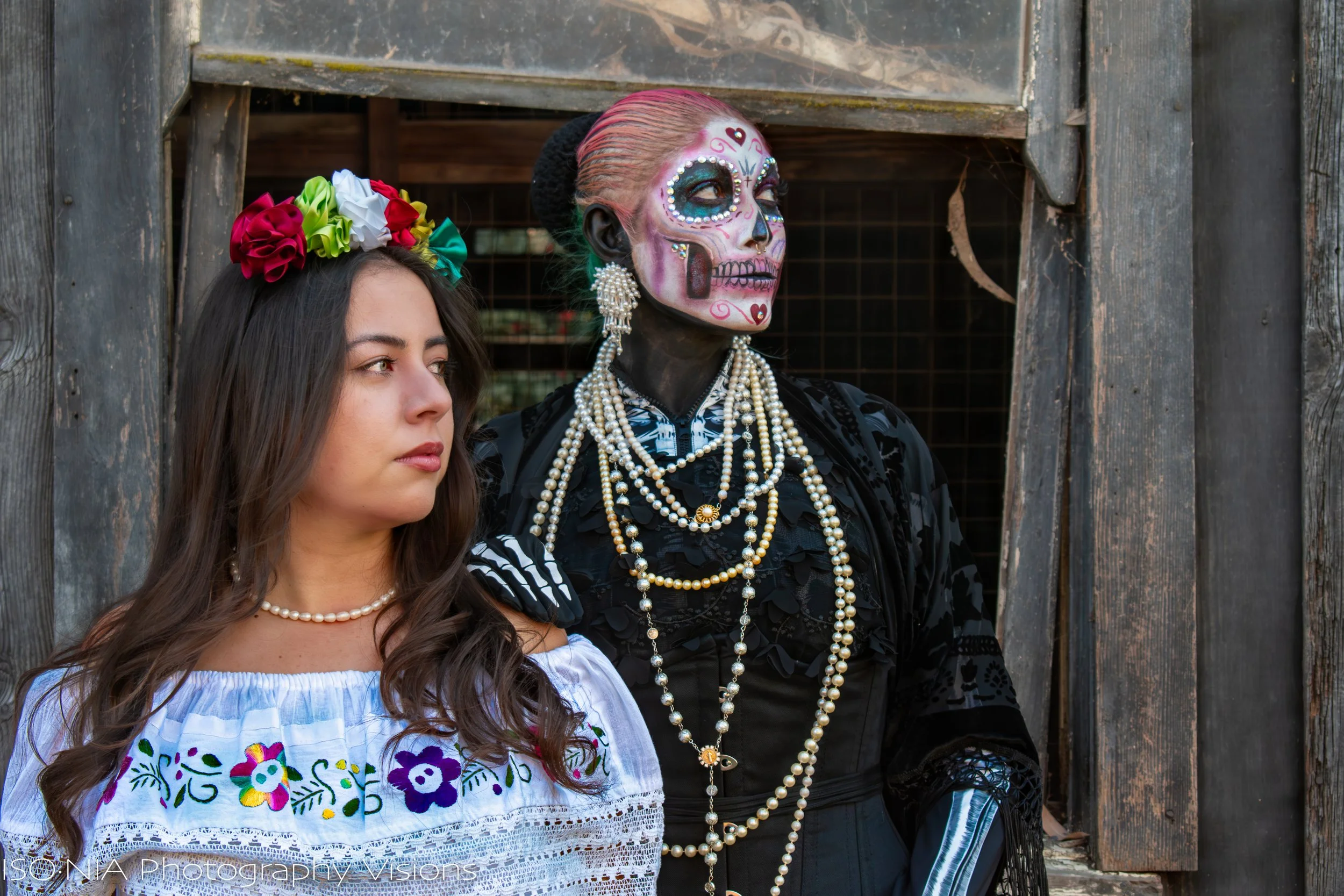
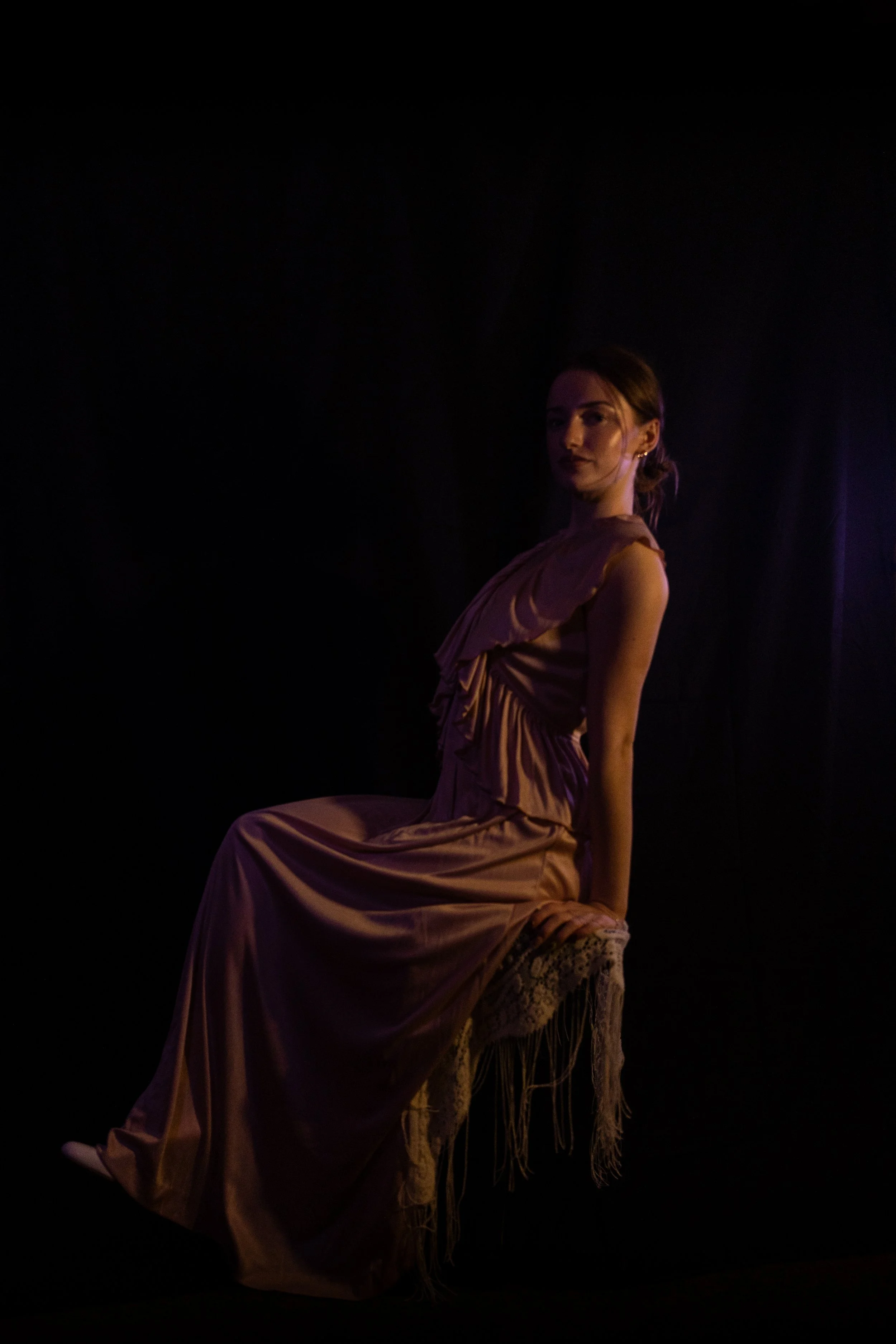
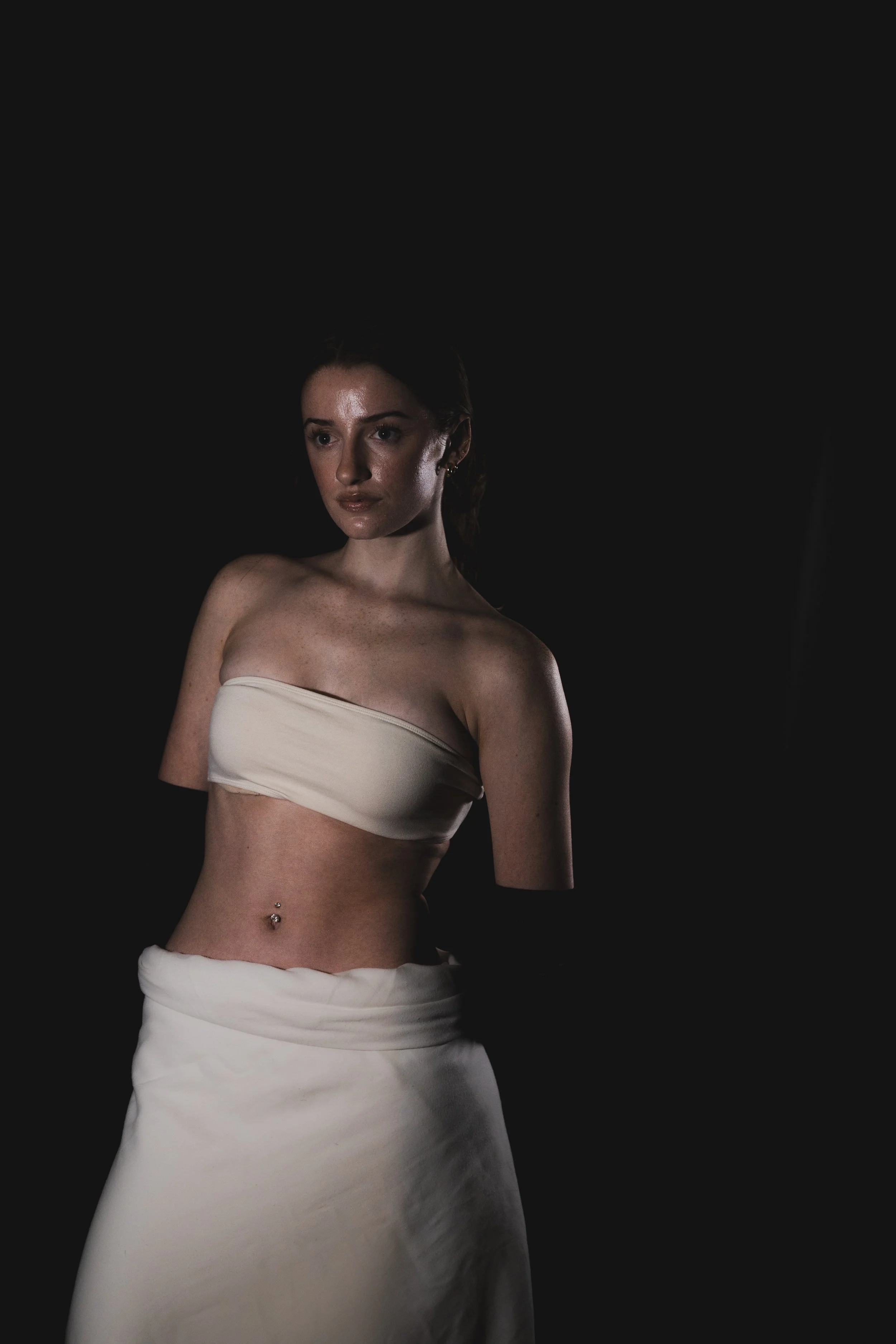
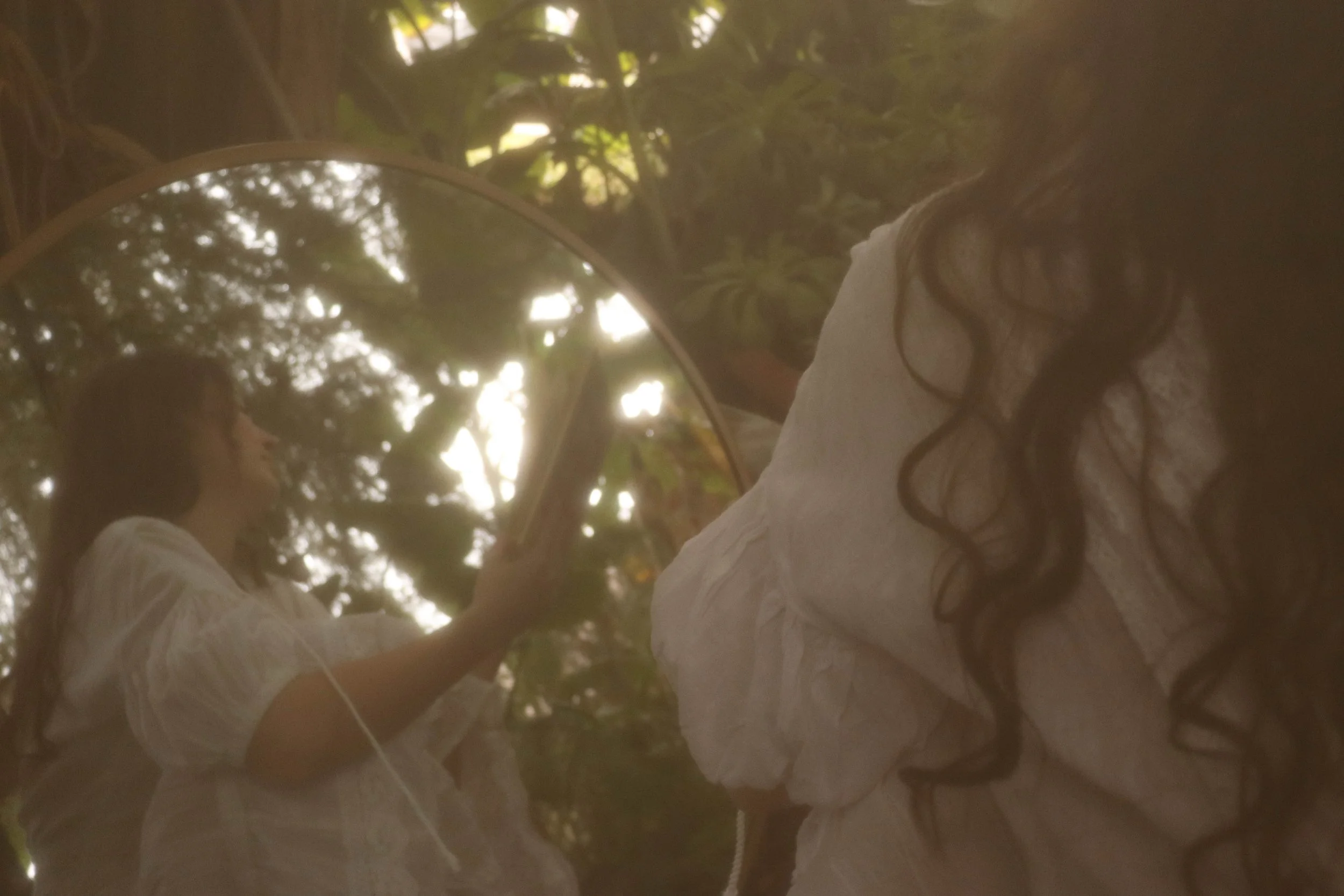
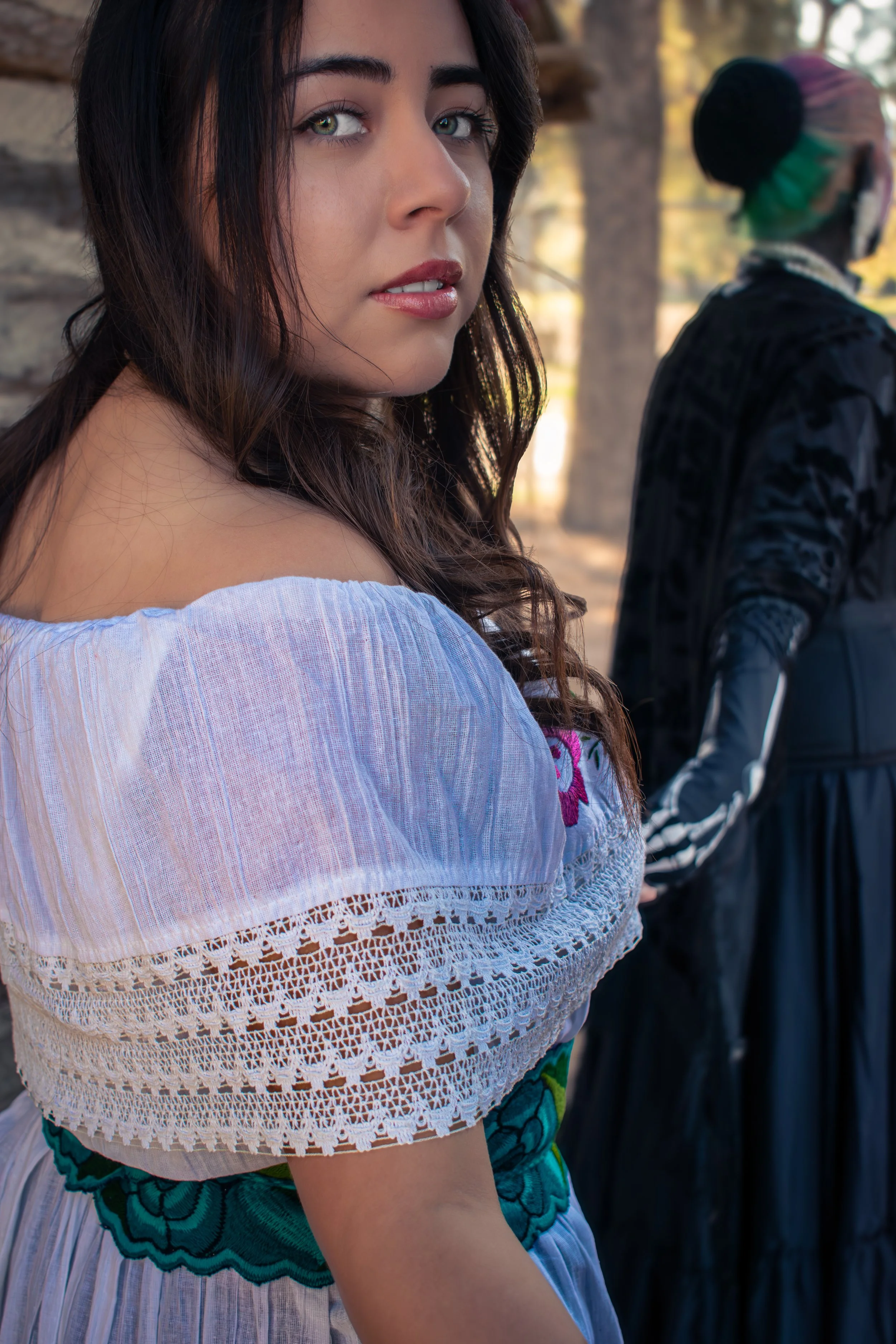
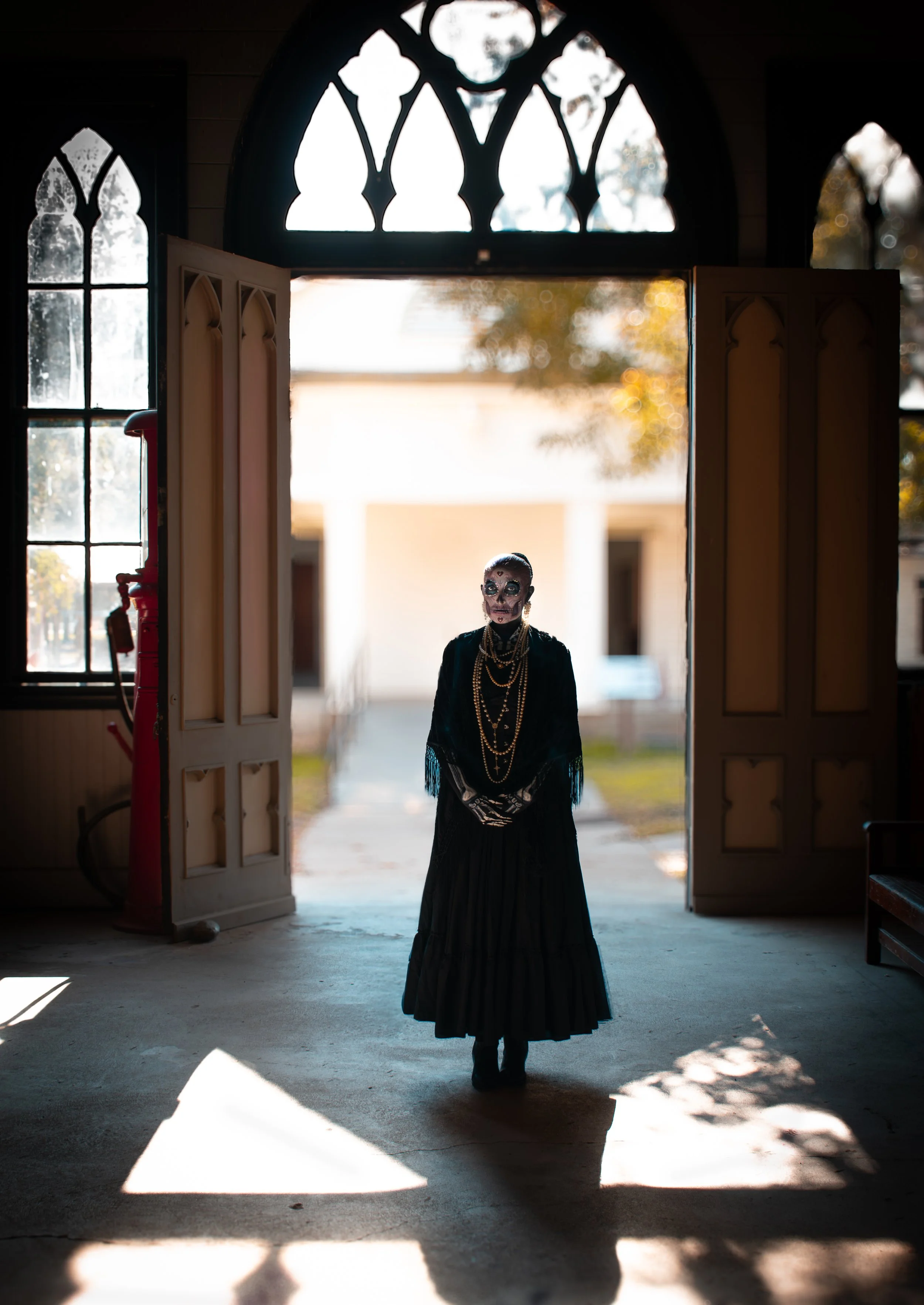
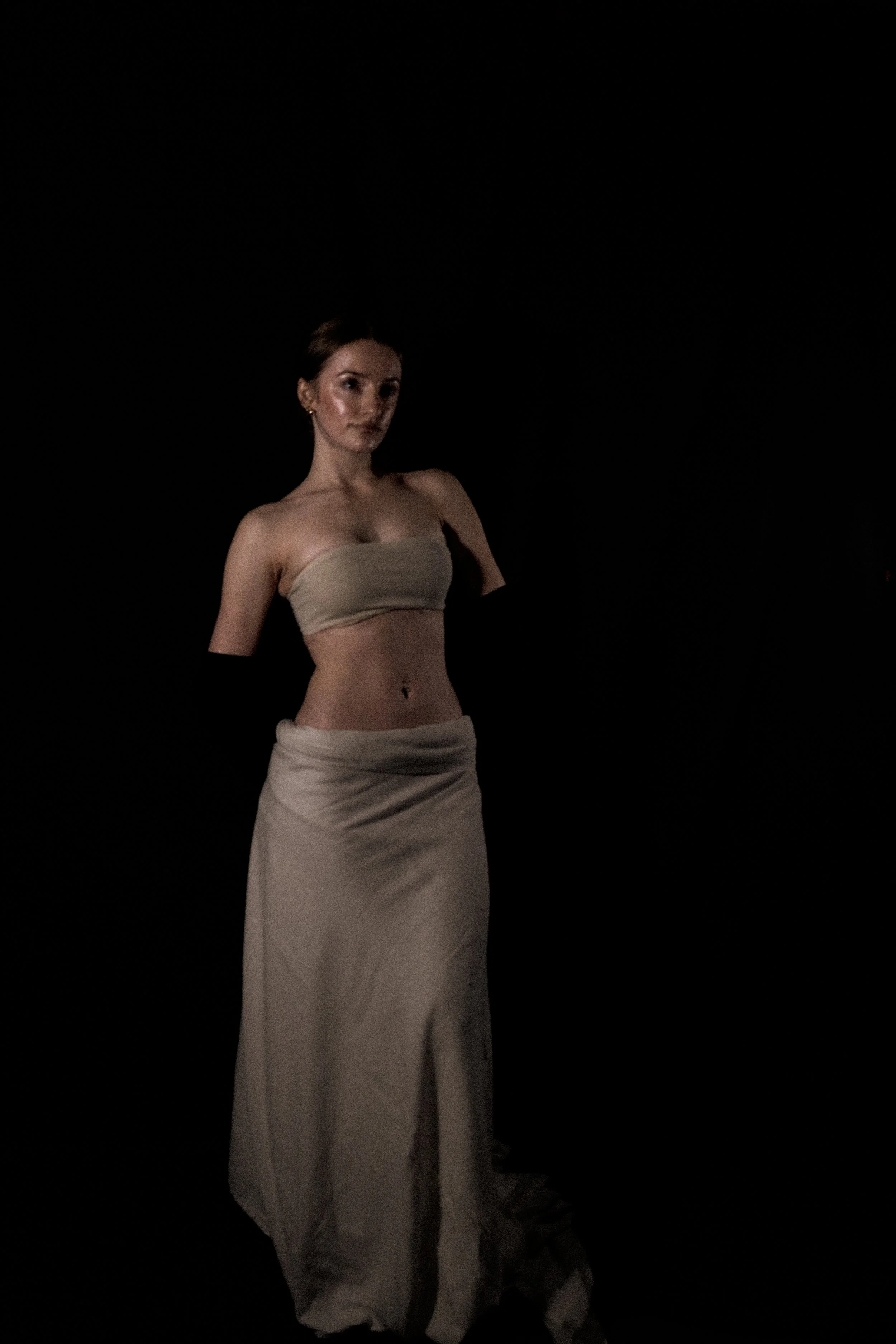
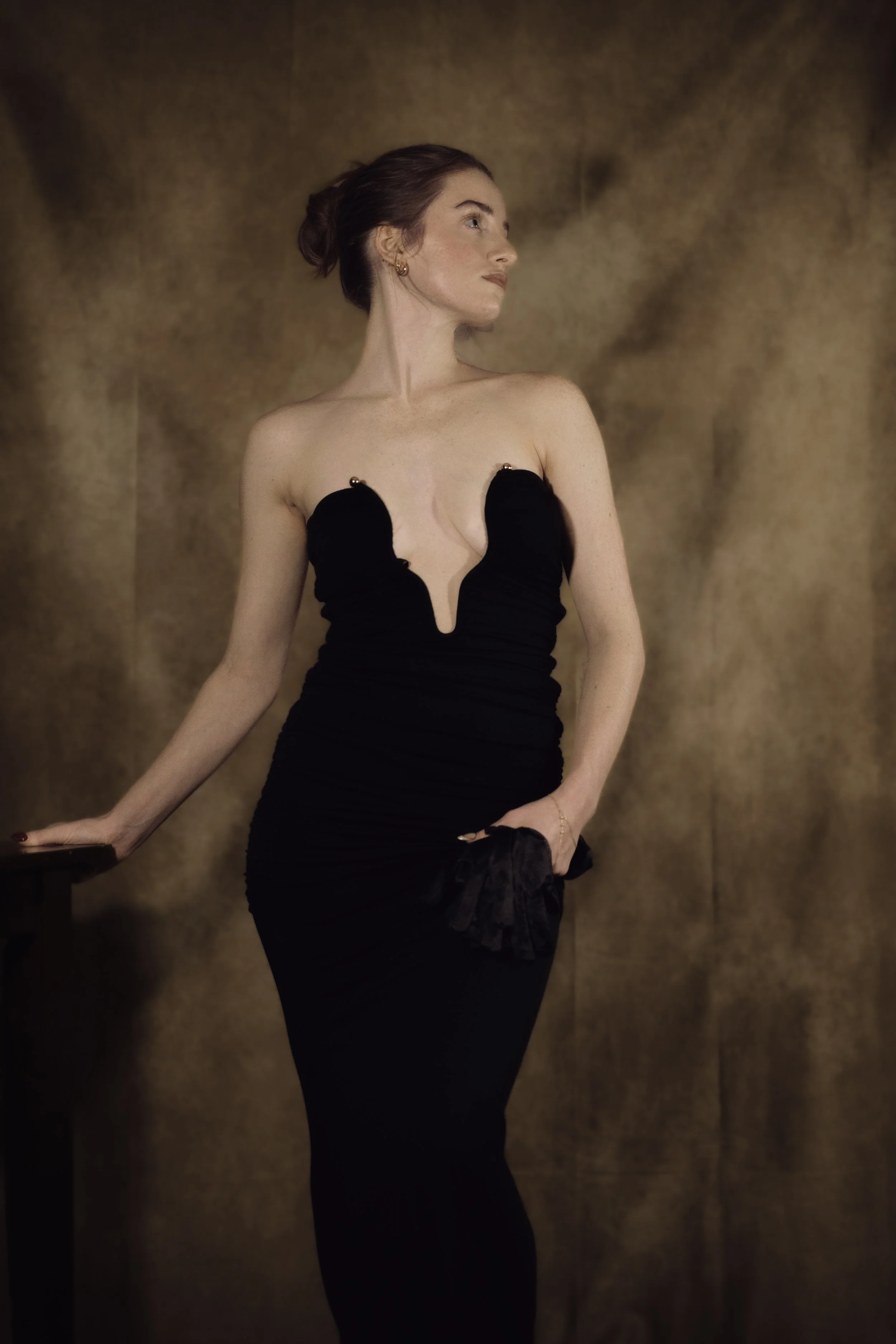
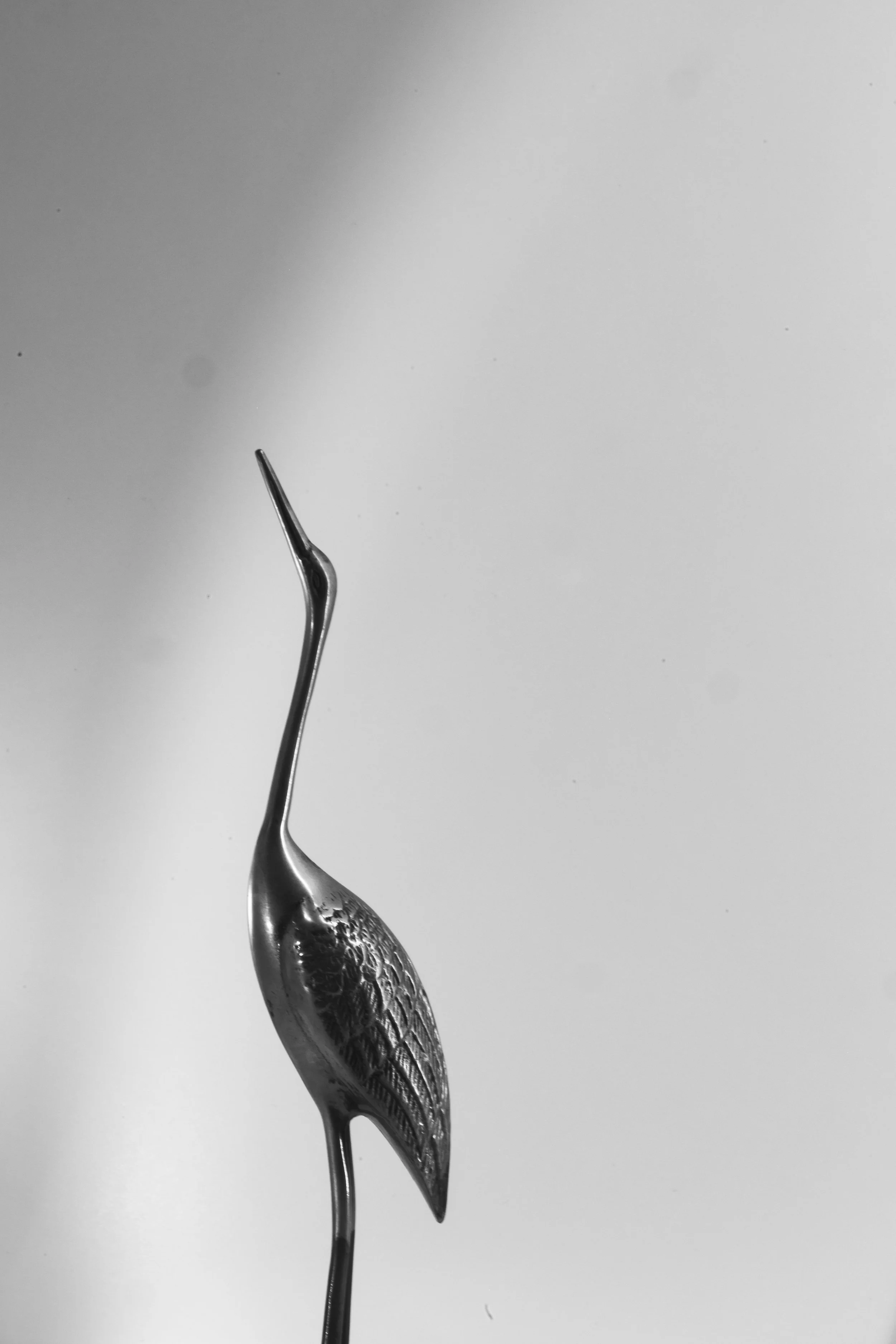
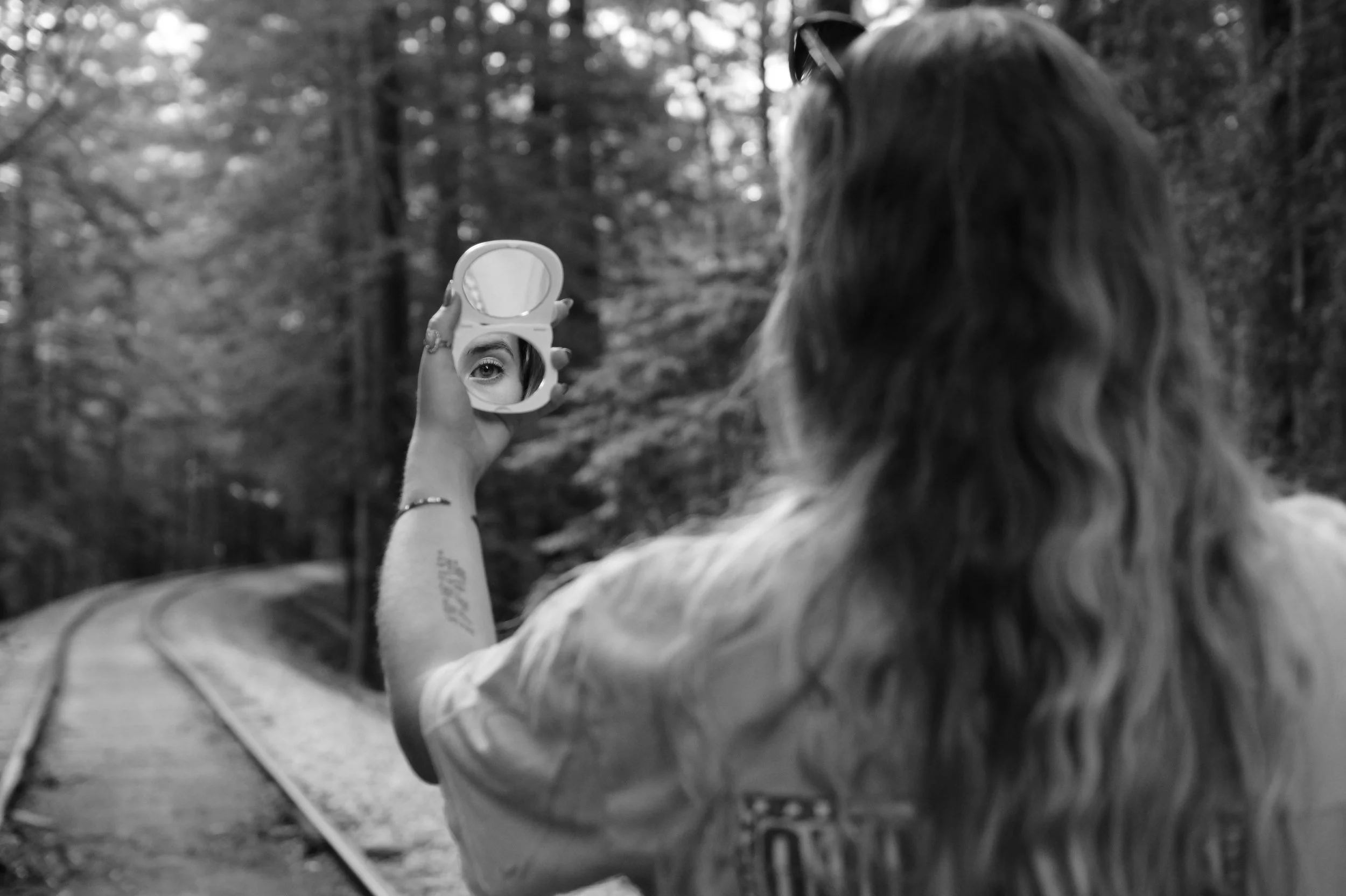

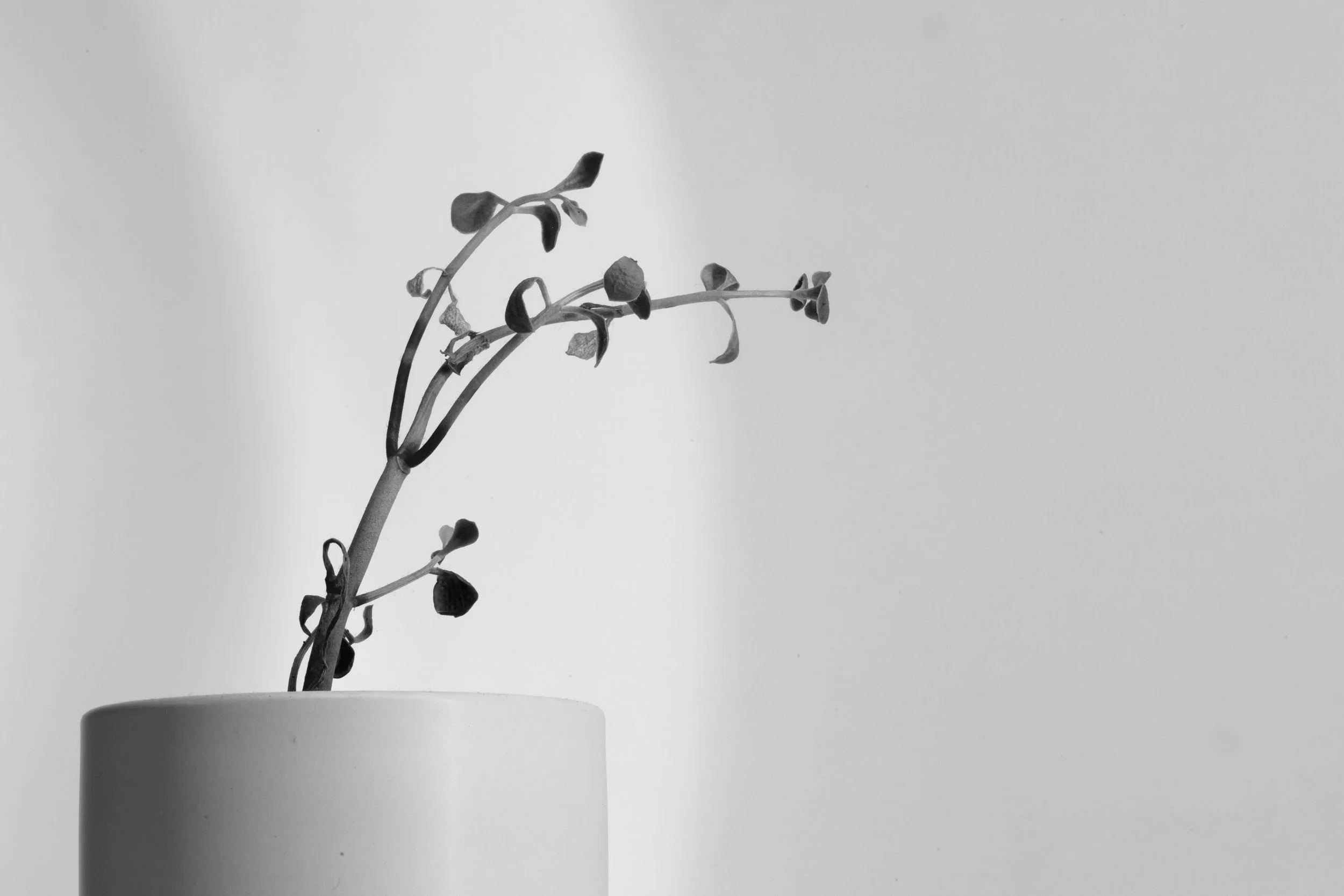
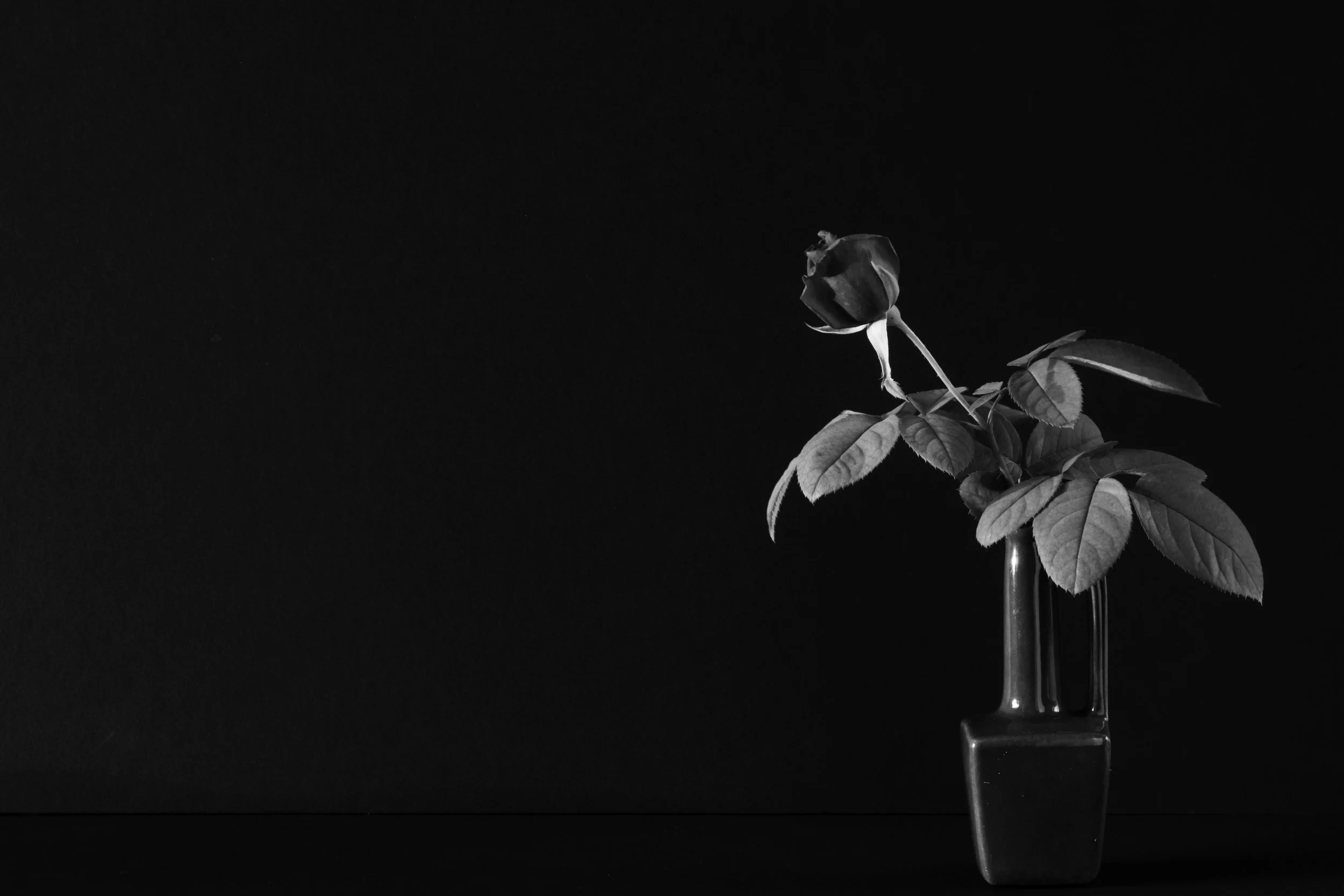

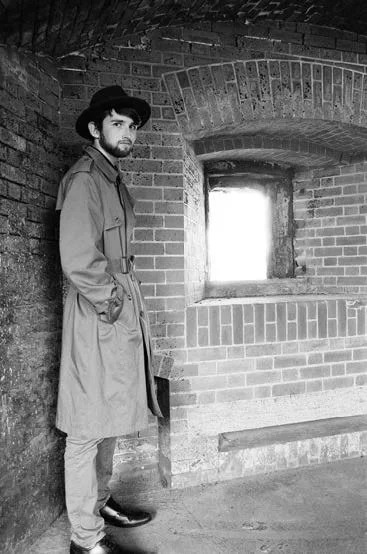
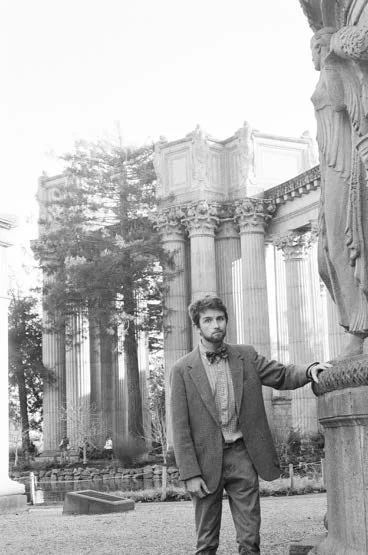
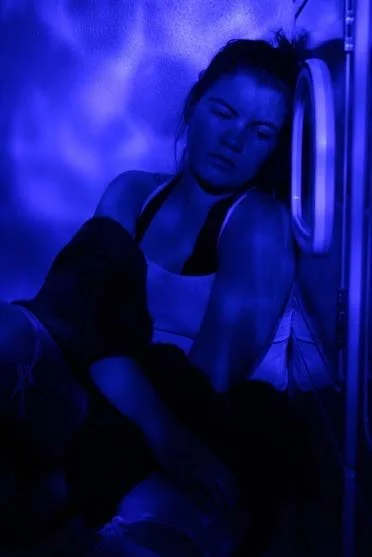
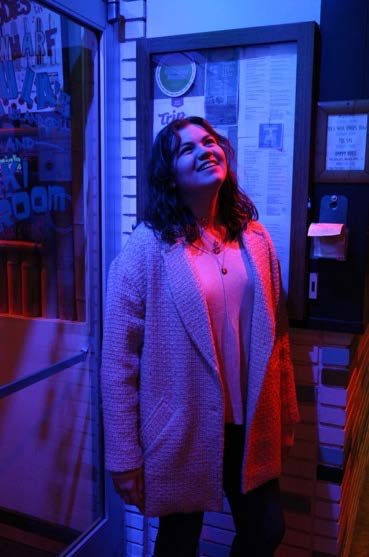
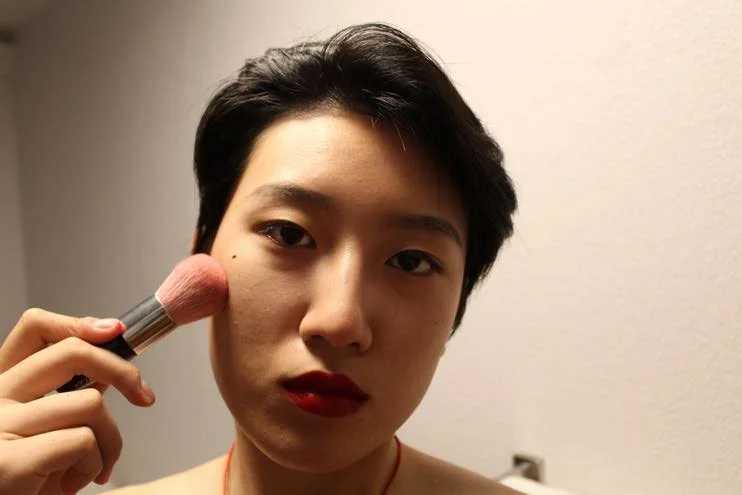

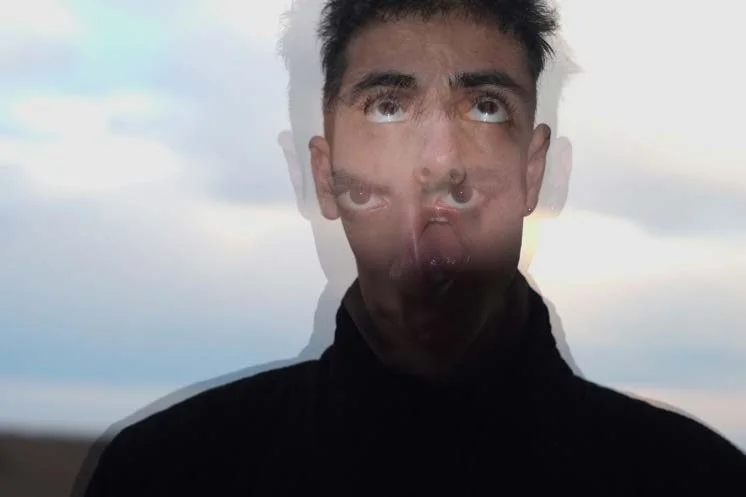
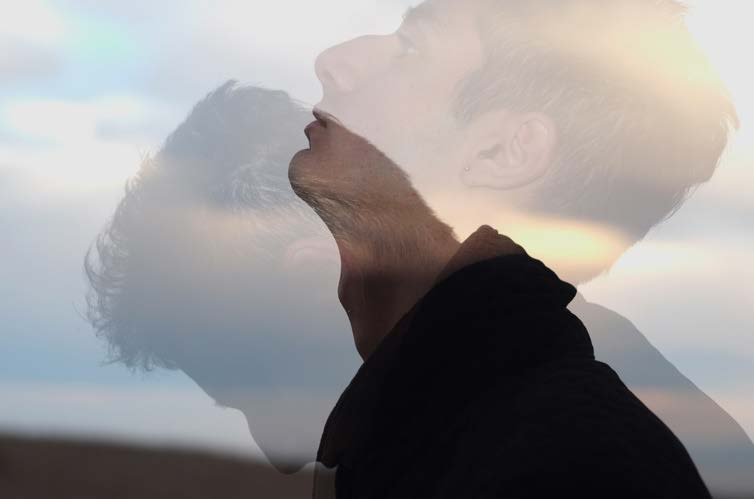
Examples of various projects where students create self-portraits exploring identity, transform words into images using only a camera as their artistic tool, and research historical photographers for influence on representation and lighting. A very small sample of a much larger student portfolio.
Web Design
Students apply principles of visual communication, typography, layout, user experience, and responsive design to create functional websites. Projects combine visual design with foundational HTML and CSS skills, emphasizing the relationship between content, structure, navigation, and user experience.
Explore a curated selection of student-designed websites showcasing different approaches to visual hierarchy, layout, navigation, and interactive design:
https://stephencase504.github.io/FinalProject
Programming for Artists
Student projects exploring creative coding and web-based design through foundational HTML, CSS, and JavaScript. Students learn how programming can function as a creative medium, using code to build interactive websites, visual experiments, and digital art projects.
As a teaching assistant, I supported approximately 50 students across four sections during a fully synchronous online course, meeting with students for six instructional hours each week during the initial COVID-19 lockdown. The four sections collaborated to develop final group projects, providing students with experience working collectively across a large, distributed classroom.
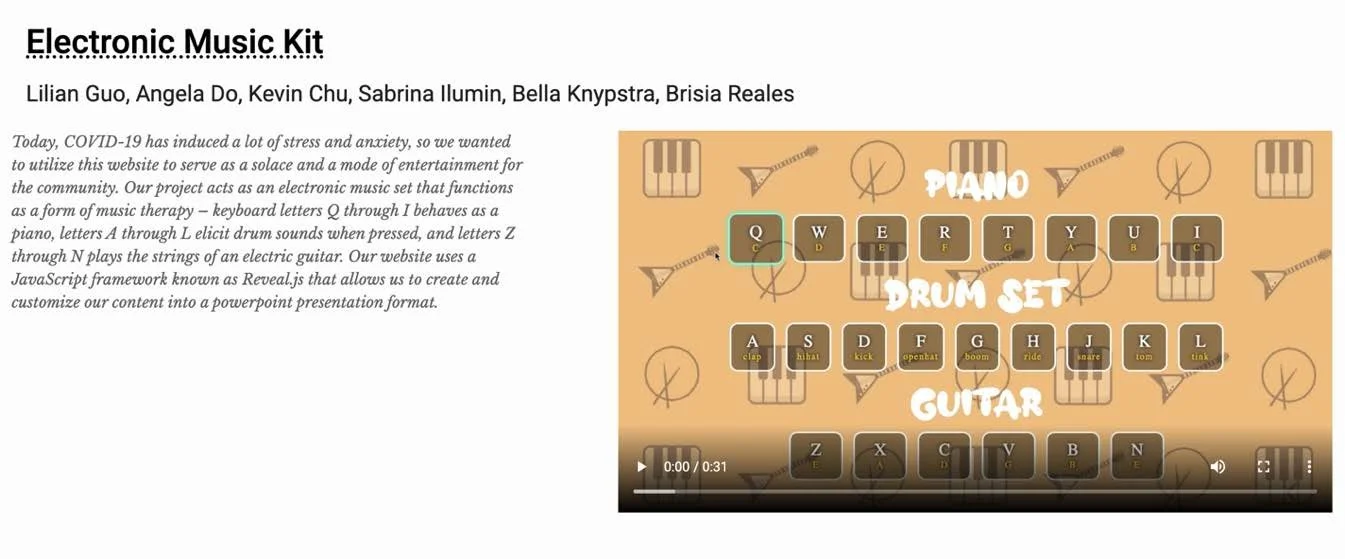
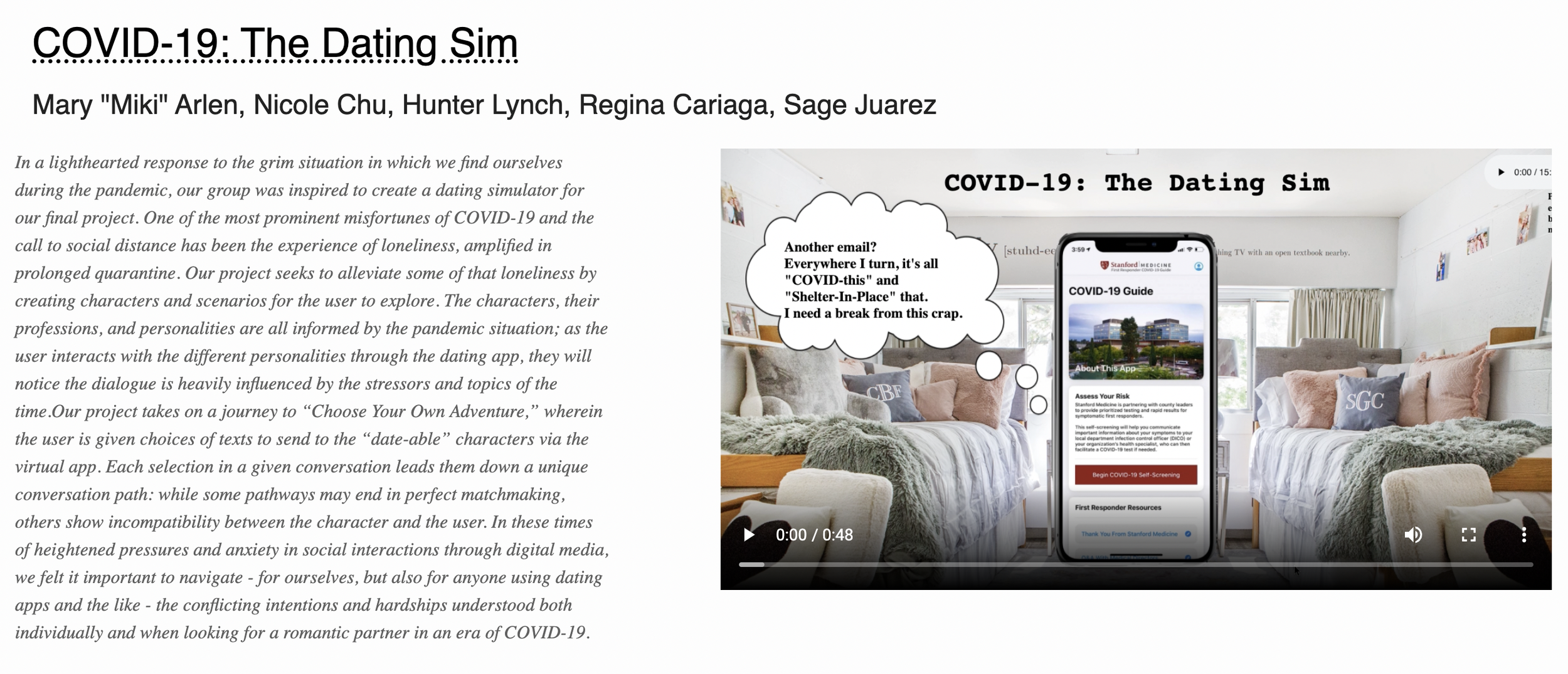
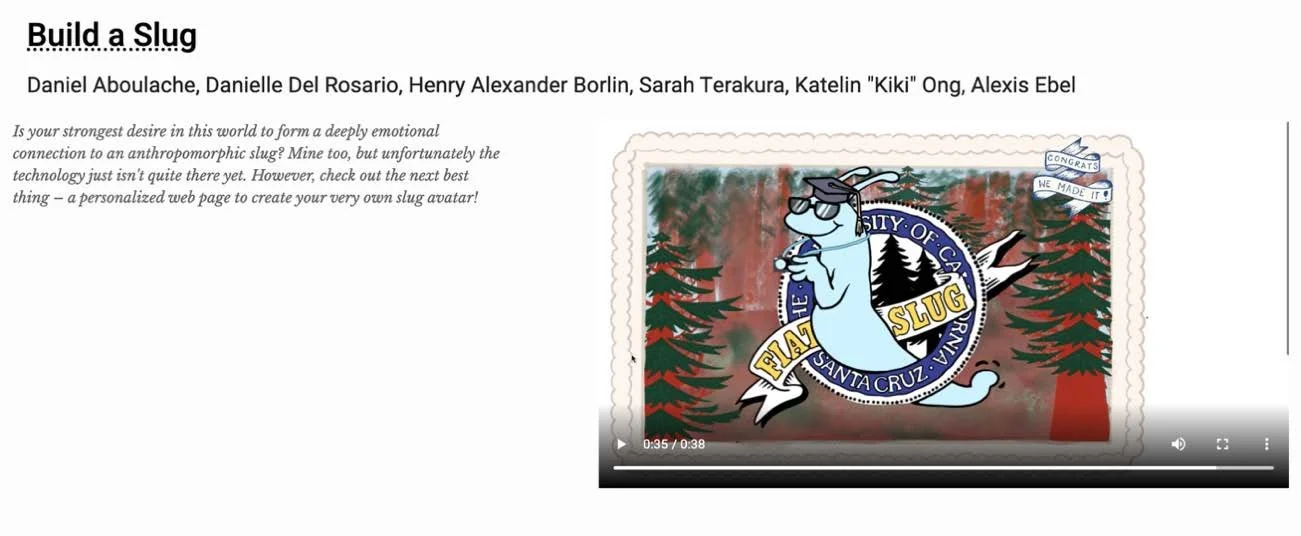
Screenshots of the descriptions for a selection of final student projects.